
3Depression Treatment Options Morris County New Jersey
Why Finding the Right Depression Treatment Matters
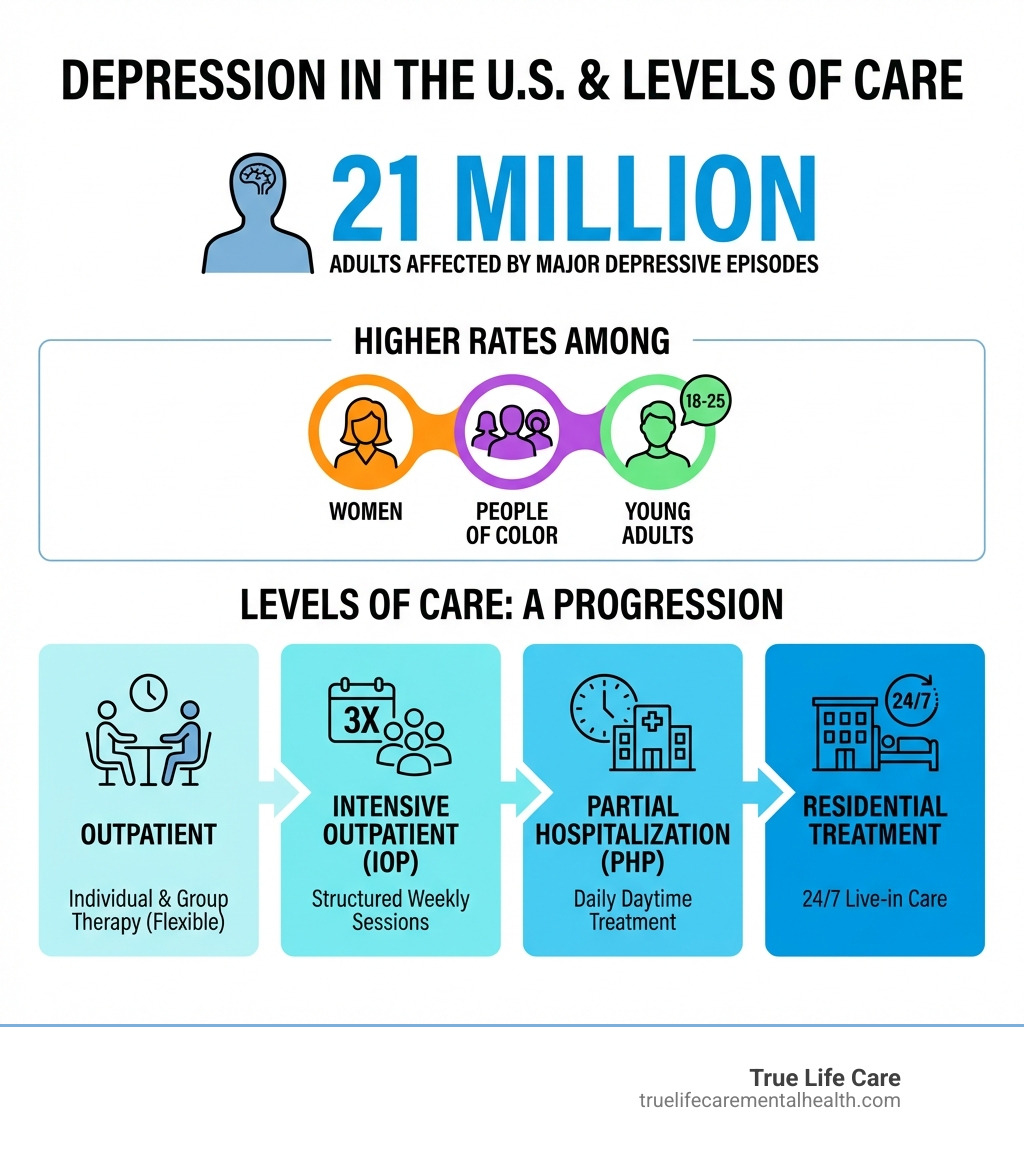
Depression Treatment Options Morris County New Jersey include outpatient therapy programs, intensive outpatient programs (IOP), partial hospitalization programs (PHP), individual and group therapy, medication management, and holistic approaches like mindfulness and yoga.
Quick Answer: Top Depression Treatment Options in Morris County, NJ
- Outpatient Therapy – Individual sessions with licensed therapists (CBT, DBT)
- Intensive Outpatient Programs (IOP) – Structured treatment 3x per week while maintaining daily life
- Partial Hospitalization Programs (PHP) – Daily intensive treatment with evening returns home
- Medication Management – Psychiatric evaluation and medication support
- Group Therapy – Peer support and shared healing experiences
- Holistic Approaches – Mindfulness, yoga, and nutritional counseling
Depression is the world’s leading cause of disability. An estimated 21 million adults in the United States have experienced at least one major depressive episode. If you live in Morris County, you’re not alone in this struggle.
The good news? Depression can be treated. Whether your symptoms are mild, moderate, or severe, effective help is available right here in Morris County, New Jersey.
Finding the right treatment doesn’t have to be overwhelming. This guide breaks down the process into three simple steps: understanding your needs, exploring local treatment options, and connecting with qualified providers who accept your insurance.
Many people wait years before seeking help, believing they should just “cheer up” or that their feelings will pass. But depression is a legitimate medical condition that deserves professional care—just like any physical illness.
In the sections below, we’ll walk you through exactly how to find depression treatment that fits your life, your schedule, and your recovery goals.
Easy Depression Treatment Options Morris County New Jersey glossary:
- Mental Health Treatment Morris County New Jersey
- mental health services in Monmouth county new jersey
Step 1: Understand Your Needs by Recognizing Depression
Before we can explore the best Depression Treatment Options Morris County New Jersey, we need to understand what depression looks like and what might be contributing to it. Recognizing the signs and symptoms in ourselves or our loved ones is the crucial first step toward seeking professional help. Depression is more than just a temporary bout of sadness; it’s a persistent mood disorder that can profoundly impact daily life, leading to feelings of sadness, hopelessness, and a lack of interest in activities we once enjoyed.
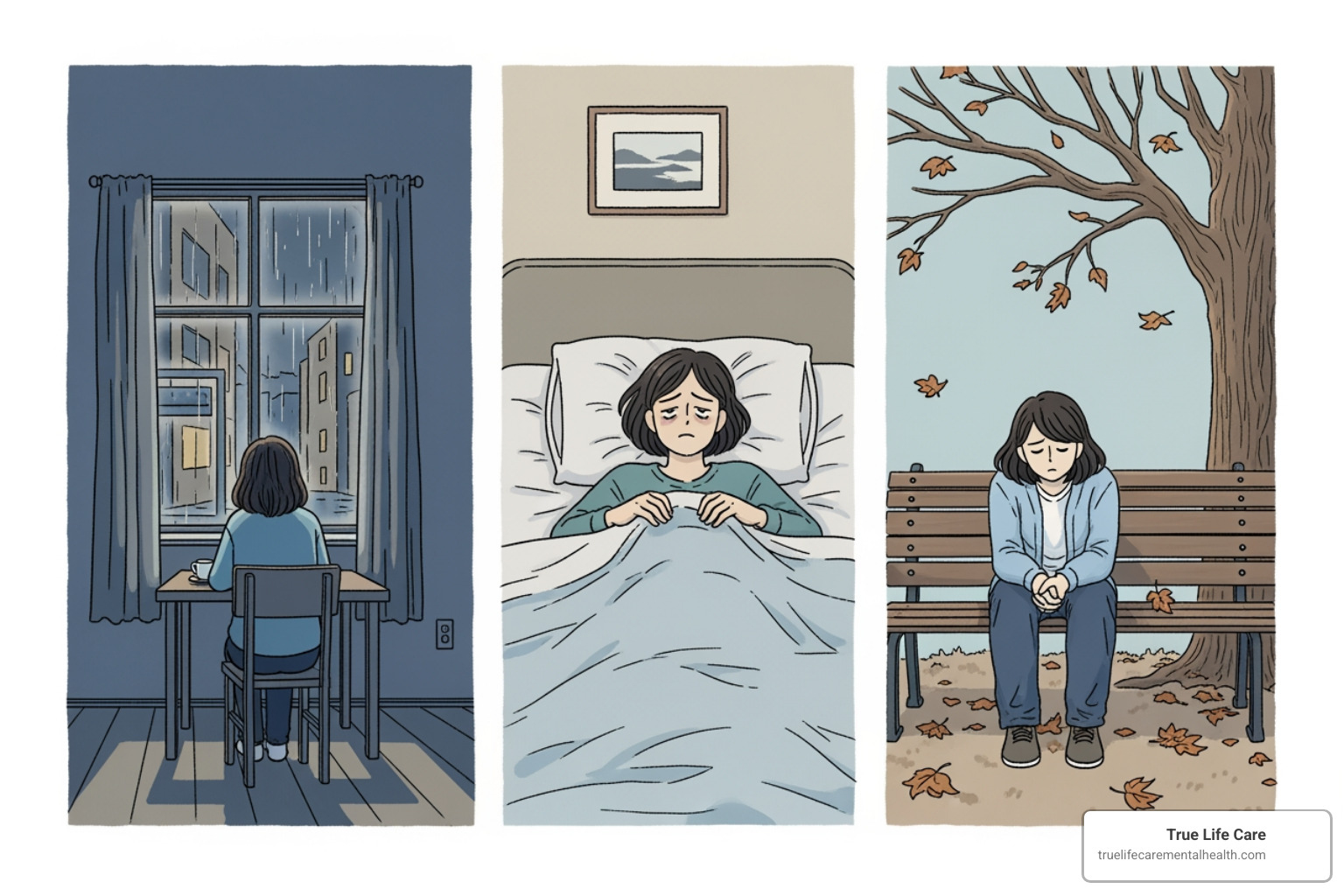
When symptoms persist and interfere with our ability to function, professional treatment becomes essential. It’s not a sign of weakness to seek help, but rather a courageous step towards healing. Understanding the potential causes and contributing factors can also help us approach treatment more effectively, addressing both the symptoms and their underlying roots.
Signs and Symptoms Warranting Treatment
Depression can manifest in a variety of ways, affecting our physical, psychological, and social well-being. These symptoms can range from mild to severe, but when they become chronic and debilitating, it’s a clear signal that professional intervention is needed.
Physical Symptoms:
- Fatigue: Persistent tiredness and lack of energy, even after adequate sleep.
- Sleep Changes: Insomnia (difficulty falling or staying asleep) or hypersomnia (sleeping too much).
- Appetite Shifts: Significant weight loss or gain due to changes in appetite.
- Physical Aches: Unexplained aches, pains, headaches, or digestive issues that don’t respond to usual treatment.
- Slowed Movement/Speech: Noticeably slowed physical movements or speech.
Psychological Symptoms:
- Persistent Sadness: A pervasive feeling of sadness, emptiness, or irritability that lasts for at least two weeks.
- Hopelessness and Helplessness: A bleak outlook on the future, feeling that nothing will ever get better.
- Guilt and Worthlessness: Feelings of excessive or inappropriate guilt, self-blame, or a diminished sense of self-worth.
- Lack of Motivation: Loss of interest or pleasure in activities once enjoyed (anhedonia).
- Trouble Concentrating: Difficulty thinking, concentrating, making decisions, or remembering things.
- Recurring Suicidal Thoughts: Thoughts of death or suicide, or suicide attempts.
Social Symptoms:
- Social Withdrawal: Retreating from social interactions, friends, and family.
- Loss of Interest: Disengagement from hobbies, work, or other daily activities.
- Lack of Productivity: Difficulty maintaining performance at work or school.
To help determine if professional help is warranted, ask yourself these key questions about your mood and behavior:
- Have I experienced a depressed mood or loss of interest/pleasure in daily activities for most of the day, nearly every day, for at least two weeks?
- Am I struggling with sleep, eating, energy levels, concentration, or self-worth?
- Do I feel overwhelmed by sadness, hopelessness, or guilt?
- Have I withdrawn from social activities or lost interest in hobbies?
- Are these feelings significantly impacting my relationships, work, or overall quality of life?
If you answered yes to several of these questions, it’s a strong indicator that exploring Depression Treatment Options Morris County New Jersey could be beneficial.
Potential Causes and Contributing Factors
Depression is a complex condition, often arising from a combination of biological, psychological, and environmental factors. Understanding these can help us tailor effective treatment strategies.
Biological Factors:
- Neurotransmitter Imbalance: An imbalance of brain chemicals like dopamine, serotonin, and norepinephrine can play a significant role.
- Family History: A genetic predisposition means we might be more likely to experience depression if it runs in our family.
Psychological Factors:
- Personality Traits: Certain personality types, such as those with low self-esteem or a tendency to be self-critical, may be more susceptible.
- Co-occurring Disorders: Depression often co-occurs with other mental health conditions like anxiety disorders, PTSD, bipolar disorder, or obsessive-compulsive disorder (OCD). Addressing these co-occurring issues is vital for comprehensive treatment.
Environmental and Situational Factors:
- Life Disruptions: Major life changes, losses, or stressful events can trigger depressive episodes. Understanding and processing these “Life Disruptions and Stages of Grief” can be a key part of recovery. Learn more about understanding life disruptions and grief.
- Trauma: Past traumatic experiences can significantly contribute to depression. Trauma-informed care is essential in these cases.
- Isolation: Feelings of loneliness and social isolation can worsen depressive symptoms.
- Substance Abuse: Alcohol and drug abuse can directly alter brain chemistry, exacerbate depression symptoms, and create a cycle of self-medication that deepens the problem. Treating substance use disorders alongside depression (dual-diagnosis) is often necessary.
- Technology Addiction: Excessive reliance on technology can sometimes be a coping mechanism for underlying mental health issues, potentially leading to increased isolation and worsening depressive symptoms.
- Postnatal Depression: Hormonal changes and the demands of new parenthood can lead to depression after childbirth.
- Stress Management: Ineffective stress management can leave us vulnerable to depressive episodes. Developing healthy coping mechanisms is crucial.
Depression is rarely caused by a single factor, but rather a complex interplay of these elements. Effective Depression Treatment Options Morris County New Jersey will often involve a multidisciplinary approach that addresses as many of these contributing factors as possible.
Step 2: Exploring the Landscape of Depression Treatment Options in Morris County, New Jersey
Once we understand our needs, the next step is to explore the diverse range of Depression Treatment Options Morris County New Jersey has to offer. Morris County provides a robust network of mental health services, from traditional therapy to advanced treatments and holistic approaches.

These options are designed to meet varying levels of need and preferences, ensuring that individuals can find a path to recovery that resonates with them. Our goal is to empower you with information about these options so you can make informed decisions about your care.
Levels of Care: Comparing Depression Treatment Options in Morris County, New Jersey
The intensity and structure of depression treatment can vary significantly, depending on the severity of symptoms and individual needs. Here’s a look at the common levels of care available:
| Level of Care | Time Commitment | Intensity | Ideal Candidate |
|---|---|---|---|
| Outpatient (OP) | Weekly or bi-weekly sessions (1-2 hours) | Low to moderate | Individuals with mild to moderate depression who can maintain daily responsibilities and have a stable support system. |
| Intensive Outpatient (IOP) | Several days a week (3-5 days), a few hours per day (e.g., 3 hours) | Moderate to high | Individuals needing more structured support than OP, but who can still live at home and manage work/school. Often a step-down from PHP. |
| Partial Hospitalization (PHP) | Daily attendance (5 days a week), several hours per day (e.g., 6 hours) | High | Individuals needing intensive daily treatment, but who don’t require 24/7 supervision and can return home evenings/weekends. |
| Residential Treatment | 24/7 living at the facility (weeks to months) | Very high | Individuals with severe depression or co-occurring disorders who require constant supervision, intensive therapy, and a structured environment. |
| Inpatient Treatment | 24/7 hospitalization | Highest (medical stabilization) | For acute crises, severe symptoms, or when there’s a significant risk of harm to self or others. Often short-term stabilization. |
For many, outpatient options like individual therapy allow us to maintain our daily routines while receiving necessary care. This flexibility is invaluable for those balancing work, school, or family responsibilities. Intensive Outpatient Programs (IOP) and Partial Hospitalization Programs (PHP) offer a step-up in structured support, providing more frequent and comprehensive therapy while still allowing us to live at home. These programs are often a good solution when medication and outpatient treatment fail to provide relief from symptoms.
For severe depression, residential treatment programs in Morris County provide intensive therapy, supervision, and a high level of structure and support. These centers often take a holistic, integrated approach to help individuals find stability and peace in recovery. Inpatient treatment or hospitalization may be necessary in acute cases where immediate medical stabilization and constant monitoring are required.
The Role of Therapy in Recovery
Therapy, often referred to as “talk therapy” or counseling, is a cornerstone of effective depression treatment. It provides a safe, confidential space to explore thoughts, feelings, and behaviors, and to develop healthier coping mechanisms.
Evidence-Based Therapies:
- Cognitive Behavioral Therapy (CBT): A highly effective therapy that focuses on identifying and changing negative thought patterns and behaviors that contribute to depression. We learn to challenge unhelpful thinking and develop more positive responses.
- Dialectical Behavior Therapy (DBT): Often used for individuals with more complex emotional regulation issues, DBT helps us develop skills in mindfulness, distress tolerance, emotion regulation, and interpersonal effectiveness.
- Eye Movement Desensitization and Reprocessing (EMDR): Particularly useful for trauma-related depression, EMDR helps process distressing memories and reduce their emotional impact.
Types of Therapy:
- Individual Therapy: One-on-one sessions with a licensed therapist, allowing for personalized attention and custom treatment plans.
- Family Therapy: Involves family members to improve communication, resolve conflicts, and create a supportive home environment.
- Group Therapy: Offers a unique opportunity to connect with others facing similar struggles in a supportive, confidential setting. Being part of such a group can help us feel understood, less isolated, and learn from diverse insights. Explore the power of group therapy sessions and how they foster growth, bonding, and healing. Group sessions typically involve 4 to 8 participants, creating a close-knit environment.
Through these therapeutic modalities, we can build crucial coping skills, improve our interpersonal communication, and change negative thought patterns that fuel depression.
Specialized Treatment for Specific Populations
We understand that depression doesn’t affect everyone the same way. Specific populations often benefit from custom approaches that address their unique developmental stages, life circumstances, or co-occurring challenges.
- Young Adults (Ages 13-30): Adolescence and young adulthood can be particularly challenging, marked by identity development, relationship management, and the move toward independence. Specialized programs for young adults focus on building confidence, managing stress, and early intervention for issues like drug and alcohol use. The “Four Pillars of Mental Health” approach, for example, emphasizes developing strategies to gain confidence and steer these crucial years. Discover the Four Pillars of Mental Health for young adults.
- Parents: Parents often need support in formulating parenting strategies for their teenagers and young adults, especially when their children are struggling with mental health issues. Therapy can provide a sounding board and practical guidance.
- Co-occurring Disorders: Many individuals experiencing depression also struggle with substance use disorders, anxiety, or other mental health conditions. Integrated treatment programs address both conditions simultaneously, recognizing that treating one without the other is often ineffective. This dual-diagnosis approach is crucial for comprehensive and lasting recovery.
- Addiction Recovery: For those where substance abuse has contributed to or exacerbated depression, treatment pathways often include specific addiction recovery components, along with therapies for depression.
Morris County offers various programs designed to meet these specialized needs, ensuring that treatment is not only effective but also highly relevant to our individual journeys.
Step 3: Connect with the Right Local Resources and Support
Now that we understand our needs and the various Depression Treatment Options Morris County New Jersey, the final step is to connect with the right local resources and support systems. This involves finding qualified providers, navigating the complexities of insurance, and building a strong network of support for our recovery journey.
Taking this step can feel daunting, but remember, you don’t have to do it alone. We are here to guide you through the process, helping you find the compassionate and effective care you deserve.
How to Find Qualified Providers for Depression Treatment Options in Morris County, New Jersey
Finding the right mental health professional is crucial. A good therapeutic alliance, where we feel understood and supported, significantly impacts treatment outcomes.
Here’s how to find qualified providers in Morris County:
- Primary Care Doctor Referrals: Our primary care physician can often provide referrals to trusted mental health specialists in the area.
- Online Directories: Websites like Psychology Today offer searchable databases of therapists and psychiatrists, allowing us to filter by location, specialty, insurance, and other criteria.
- Morris County Mental Health Services Directory: The Morris County government often provides a directory of local mental health services, which can be an excellent resource. Access the Directory of Morris County Mental Health Services for a comprehensive list.
- Verify Credentials: Always verify the credentials of any potential provider. Look for licensed professionals such as:
- Licensed Professional Counselor (LPC): Counselors who have met specific educational and supervised experience requirements.
- Licensed Clinical Alcohol and Drug Counselor (LCADC): Specialists in treating substance use disorders, often crucial for co-occurring depression and addiction.
- Licensed Clinical Social Worker (LCSW): Professionals with extensive training in social work and clinical practice.
- Psychiatrists (MD): Medical doctors specializing in mental health, able to prescribe medication.
- Initial Consultations: Don’t hesitate to schedule initial consultations with a few specialists. This allows us to assess their approach, personality, and whether they are a good fit for our needs.
Navigating Insurance and Costs
Understanding how insurance works for mental health treatment can be confusing, but it’s an important part of accessing care.
- Verifying Coverage: Contact our insurance provider directly to understand our mental health benefits. Ask about:
- In-network providers: Who are the therapists, psychiatrists, and treatment centers that accept our insurance?
- Out-of-network benefits: If we choose an out-of-network provider, what percentage of costs will be reimbursed?
- Deductibles, co-pays, and out-of-pocket maximums: What are our financial responsibilities?
- Common Insurance Providers in New Jersey: Many providers in Morris County accept major insurance plans such as Aetna, BlueCross BlueShield (including Horizon Blue Cross/Blue Shield and Empire Blue Cross Blue Shield), Cigna and Evernorth, Humana, Magellan, Optum, UnitedHealthcare (UHC | UBH), and sometimes New Jersey Medicaid.
- Sliding Scale Fees: Some therapists and clinics offer sliding scale fees based on income, making treatment more affordable for those without extensive insurance coverage or with high deductibles.
- Affordable Care: Don’t let cost deter you. Many facilities are committed to providing accessible care and may offer affordable rates or assist with payment plans. Always ask about costs upfront and discuss any financial concerns with the provider.
Local Support Services for Individuals and Families
Beyond formal treatment, a strong support system is vital for recovery. Morris County offers various resources for individuals and their families dealing with depression.
- Community Mental Health Centers: These centers often provide a range of services, including individual and group therapy, case management, educational programs, and workshops, often at reduced costs or with sliding scale options.
- Non-Profit Organizations: Local non-profits dedicated to mental health can offer support, advocacy, and resources.
- Support Groups: Peer-led support groups provide a safe space to share experiences, gain insights, and build connections with others who understand. These groups can be incredibly empowering, fostering a sense of community and reducing feelings of isolation.
- Crisis Hotlines: For immediate support during a mental health crisis, crisis hotlines are available 24/7/365. The 988 Suicide & Crisis Lifeline is a national resource that can provide immediate relief and connect us to local services.
- Family Support Resources: Depression affects not just the individual, but also their family. Resources are available to help families understand depression, cope with its impact, and support their loved ones effectively.
By actively engaging with these local resources and building a robust support network, we improve our chances of long-term recovery and well-being.
Frequently Asked Questions about Depression Treatment in Morris County
What is the difference between a psychiatrist and a therapist?
This is a common and important question!
- Psychiatrist: A psychiatrist is a medical doctor (MD) who has specialized in mental health. Their training allows them to diagnose mental health conditions, understand the biological underpinnings of these conditions, and prescribe and manage medication. They often focus on medication stabilization and management but may also provide some forms of therapy.
- Therapist: A therapist (or counselor, psychologist, social worker) typically holds a master’s or doctoral degree in psychology, counseling, or social work. They are trained to provide talk therapy (psychotherapy) and counseling. They help us explore thoughts, feelings, and behaviors, develop coping strategies, and work through emotional challenges. Therapists cannot prescribe medication. Common licenses include Licensed Professional Counselor (LPC), Licensed Clinical Social Worker (LCSW), and Licensed Psychologist.
Often, the most effective Depression Treatment Options Morris County New Jersey involve a collaborative approach between a psychiatrist (for medication management, if needed) and a therapist (for talk therapy).
How long does depression treatment usually last?
The duration of depression treatment varies significantly from person to person. It depends on several factors:
- Severity of Depression: Milder cases might respond to short-term therapy, while severe or chronic depression may require longer-term treatment.
- Level of Care: Outpatient therapy might be ongoing for months or years, while intensive programs like PHP or IOP have a more defined duration (e.g., several weeks to a few months).
- Individual Response: How quickly we respond to treatment, and whether we need to try different medications or therapeutic approaches, impacts the timeline.
- Treatment Goals: Our goals also play a role. Some seek symptom reduction, while others aim for deeper personal growth and relapse prevention.
It’s important to view depression treatment as a journey, not a quick fix. While we might see significant improvement in a few weeks or months, many find ongoing support beneficial for maintaining mental wellness and preventing relapse.
Are there advanced or alternative treatments available?
Yes, beyond traditional therapy and medication, several advanced and alternative Depression Treatment Options Morris County New Jersey are available, especially for individuals who haven’t responded to conventional methods.
Advanced Treatments (often used for severe or treatment-resistant depression):
- Electroconvulsive Therapy (ECT): A highly effective procedure for severe depression, involving brief electrical stimulation of the brain while the patient is under general anesthesia.
- Transcranial Magnetic Stimulation (TMS): A non-invasive procedure that uses magnetic fields to stimulate nerve cells in the brain to improve symptoms of depression.
- Ketamine Infusion Therapy: An emerging treatment that uses low doses of ketamine, often administered intravenously, for rapid relief of severe depression symptoms.
Holistic and Integrative Approaches (often used in conjunction with traditional treatment):
- Yoga: Combines physical postures, breathing exercises, and meditation, promoting relaxation, reducing stress, and improving mood.
- Mindfulness and Meditation: Practices that train us to focus on the present moment without judgment, enhancing emotional regulation and decreasing anxiety and depression symptoms.
- Nutritional Therapy: Addresses the link between diet and mood, guiding us toward balanced eating patterns that support brain health and overall well-being.
- Acupuncture: An ancient Chinese practice that involves inserting thin needles into specific points on the body, believed to balance energy flow and reduce depressive symptoms.
Many treatment centers in Morris County are adopting a holistic, integrated approach, combining evidence-based therapies with these complementary practices to support individuals with severe depression and help them find stability and peace in recovery.
Conclusion
Navigating the landscape of Depression Treatment Options Morris County New Jersey can seem overwhelming, but by following these three simple steps, we can find the support and care we need. We’ve explored how to understand our needs by recognizing the signs and causes of depression, digd into the various treatment modalities and levels of care available, and discussed how to connect with qualified local resources and support systems.
Recovery is a journey, and taking that first step is the most crucial part. It’s about empowering ourselves to seek help, knowing that effective treatment is available, and that we don’t have to face depression alone. Our approach at True Life Care Mental Health is centered on providing personalized, evidence-based mental health and addiction treatment, embracing a holistic view that combines expert psychiatric care with flexible programs (PHP, IOP) to empower you for long-term recovery and well-being.
If you or a loved one is struggling with depression, we encourage you to reach out. Your path to healing and a brighter future begins now. Find the right mental health treatment options in Morris County, NJ for you and take a proactive step towards long-term well-being.