
What You Need to Know Before Inpatient Mental Health NJ
What You Need to Know About Inpatient Mental Health NJ
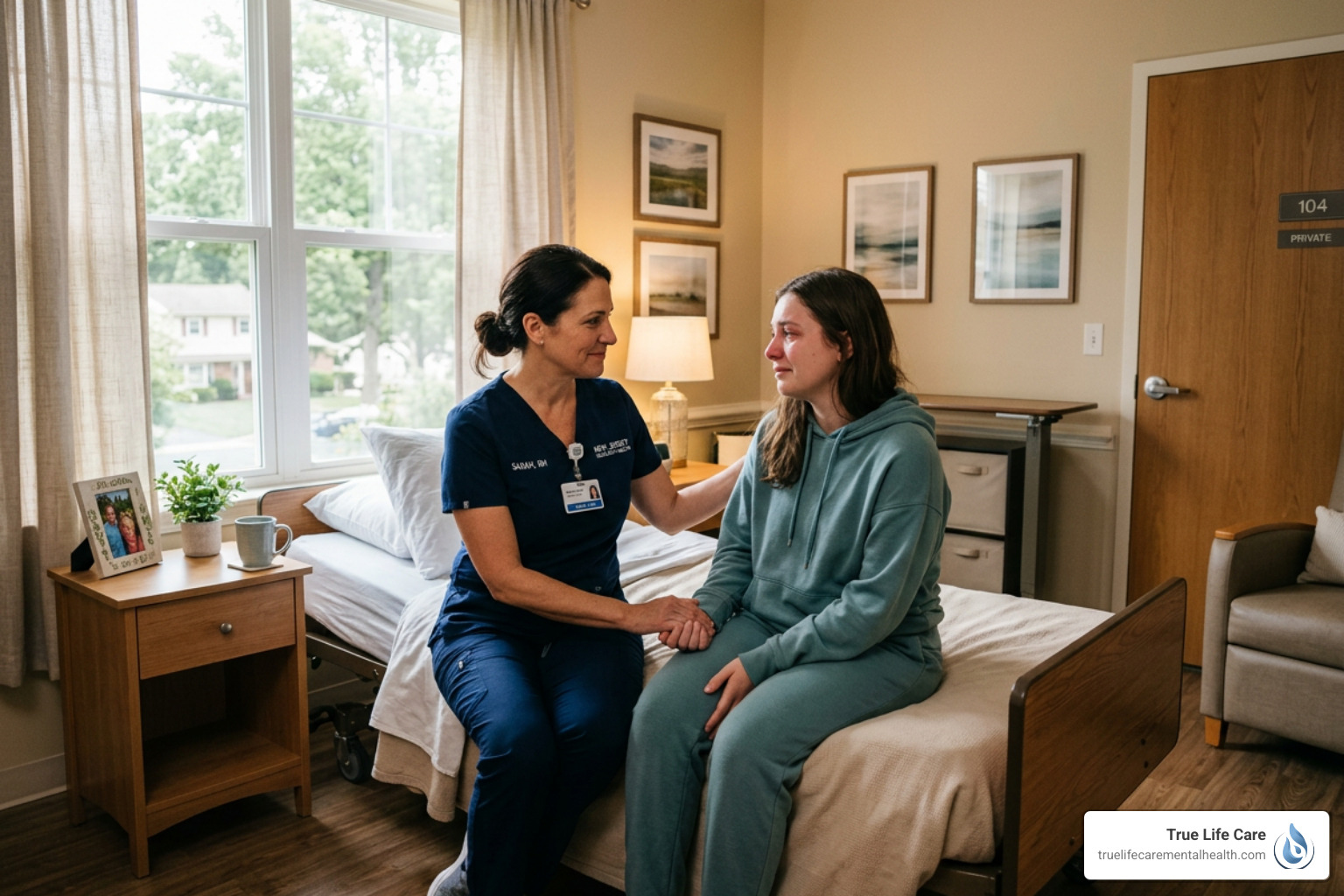
Inpatient mental health NJ programs provide 24/7 supervised psychiatric care for people facing serious mental health crises — and knowing your options can make all the difference.
Here are the 5 key things to understand before seeking inpatient care in New Jersey:
- When inpatient care is necessary – Severe symptoms like suicidal thoughts, psychosis, or failed outpatient treatment are clear signs you need this level of care
- Types of programs available – NJ offers specialized tracks for adolescents, adults, older adults, dual diagnosis, and first responders
- Voluntary vs. involuntary admission – You have rights regardless of how you enter care, and understanding them matters
- What treatment actually looks like – Expect a structured daily program with a multidisciplinary team, therapy groups, and medication management
- How insurance and costs work – Most NJ facilities accept Medicare, Medicaid, and private insurance
New Jersey has a wide range of inpatient options — from large state-run hospitals to specialized private programs. The choices can feel overwhelming, especially during a crisis.
This guide breaks it all down clearly, so you or your loved one can make a confident, informed decision.
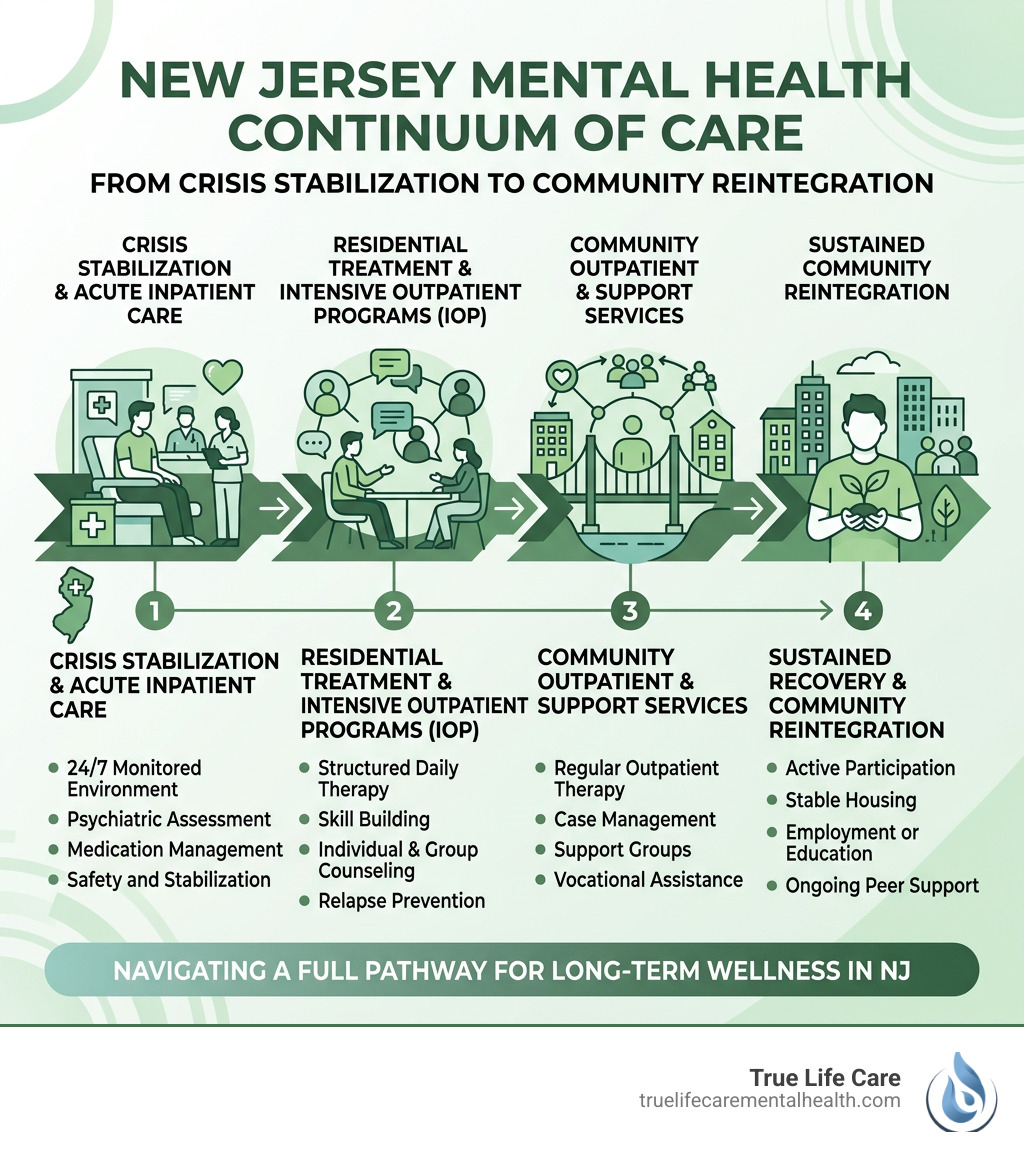
1. Understanding When Inpatient Care is Necessary
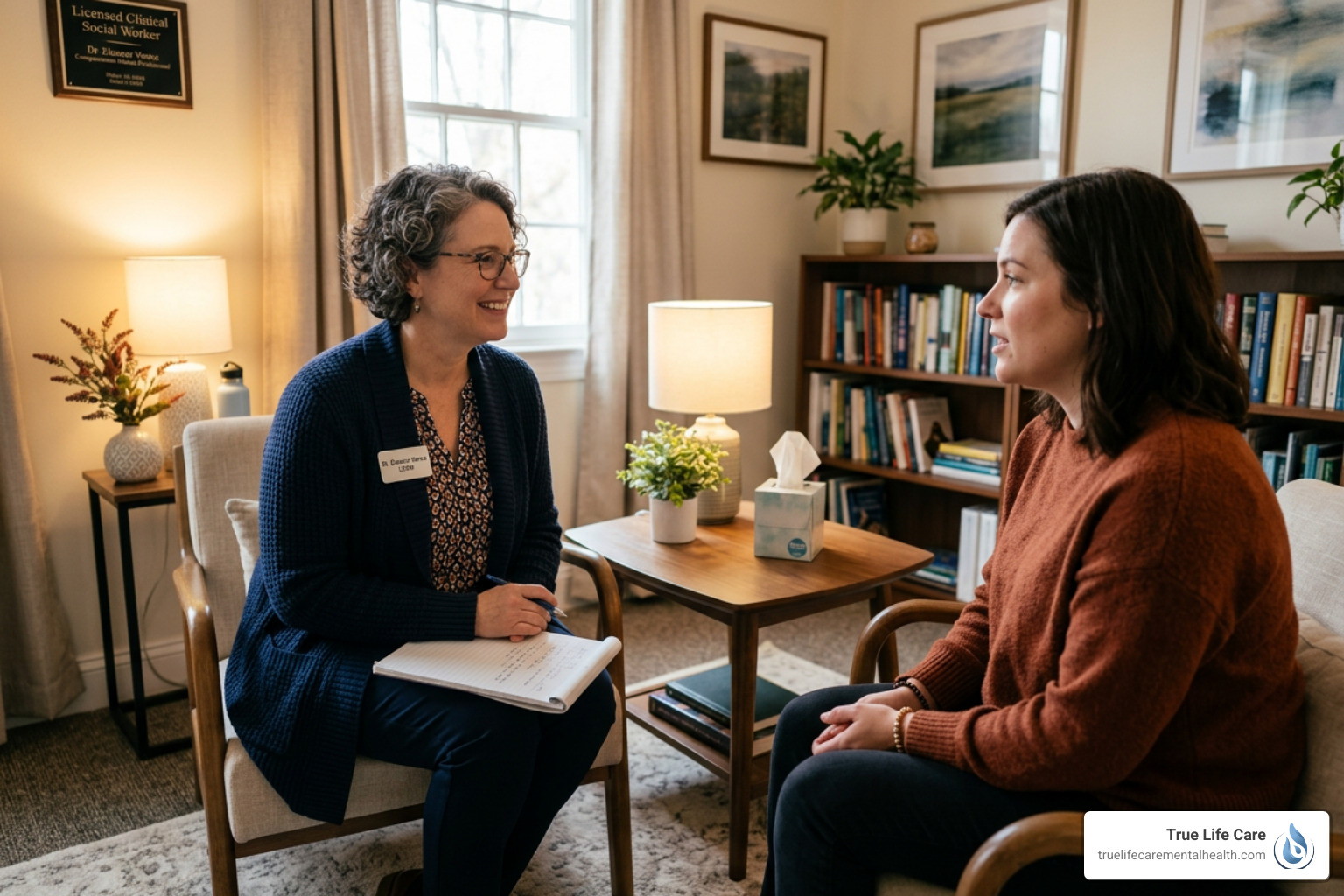
Deciding to seek inpatient mental health NJ services is a brave step, but it often comes during a time of high stress. Generally, inpatient care is the highest level of support available. It is designed for stabilization and safety when a person can no longer be managed safely at home or through traditional therapy.
We often see that inpatient care becomes necessary when someone is experiencing:
- Safety Risks: This includes active suicidal ideation (thinking about or planning to end one’s life) or engaging in self-harm.
- Psychosis: Experiencing hallucinations or delusions that make it difficult to stay grounded in reality.
- Treatment Resistance: When outpatient programs haven’t provided enough relief, or symptoms have escalated despite professional help.
- Severe Anxiety or Trauma: When a person experiences such intense distress following a traumatic event that they cannot function in daily life.
If you or a loved one are in immediate danger, the 988 Suicide & Crisis Lifeline is available 24/7. You can call or text 988 to be connected with trained counselors who can guide you through the next steps. For those struggling specifically with the aftermath of trauma, more info on inpatient PTSD care can help you understand how specialized stabilization works.
Accessing Inpatient Mental Health NJ via Emergency Services
In New Jersey, the path to an inpatient bed usually starts with a “screening.” This is a formal evaluation to determine if a person meets the criteria for hospital admission.
You can access these services through:
- County Screening Centers: Every county in NJ, from Bergen to Passaic and Morris, has a designated psychiatric screening center (often located within a hospital ER).
- Emergency Room Referrals: Most general hospitals in NJ can perform an initial assessment and then transfer a patient to a specialized psychiatric unit.
- 24/7 Hotlines: Many specialized facilities maintain their own access centers where trained assessment coordinators can help determine the level of care needed.
For families navigating this process for the first time, resources like the NJ Self-Help Group Clearinghouse provide community-based support and information to help you understand the landscape of New Jersey’s mental health system.
2. Navigating the Types of Inpatient Mental Health NJ Programs
Not all inpatient mental health NJ programs are the same. In fact, New Jersey is home to highly specialized units designed to meet the unique developmental and clinical needs of different populations.
- Adolescent Units: Specifically for children and teens (often ages 5-17). These units focus on crisis intervention while providing a trauma-informed environment.
- Adult Acute Care: These are short-term units focused on stabilizing adults in crisis. Specialized facilities offer bio-psycho-social treatment to help patients return to their communities as quickly as is safe.
- Geriatric Psychiatry: Specialized care for older adults dealing with depression, late-life psychosis, or behavioral issues related to Alzheimer’s and dementia.
- Secure Care/Forensic Units: Specialized facilities handle patients who require a higher level of security or have legal involvement.
Research shows that nearly 50 percent of individuals with a substance use disorder also experience a mental health disorder. This is known as a “dual diagnosis.” You can find more research on dual diagnosis prevalence to see why integrated care is so vital.
Specialized Inpatient Mental Health NJ Tracks for Dual Diagnosis
When someone struggles with both addiction and a mental health condition, treating just one won’t lead to long-term wellness. New Jersey inpatient facilities often offer “Dual Diagnosis” tracks. These programs provide:
- Integrated Treatment: Addressing the psychiatric disorder and the substance use disorder simultaneously.
- Medically Monitored Detox: Safe withdrawal management for substances like alcohol or benzodiazepines.
- Relapse Prevention: Teaching coping skills that address both the urge to use and the underlying mental health triggers.
If you are specifically looking for help with mood stability alongside recovery, inpatient bipolar disorder support can provide a structured environment for medication adjustment and therapy.
Programs for First Responders and Military
New Jersey was a pioneer in creating dedicated tracks for those on the front lines. In 2013, the state saw the launch of programs specifically for first responders—including police officers, firefighters, EMTs, and corrections officers.
These programs focus on:
- Trauma-Informed Care: Understanding the unique “occupational stress” and PTSD that comes with these roles.
- Peer Support: Often staffed by former first responders or veterans who “get it.”
- Return-to-Work Facilitation: Helping professionals process trauma so they can safely return to their duties.
For those in uniform, specialized inpatient PTSD rehab centers offer a safe space to heal among peers who share similar experiences.
3. Knowing Your Rights: Voluntary vs. Involuntary Admission
Entering an inpatient mental health NJ facility can happen in two ways: voluntarily or involuntarily. Regardless of the status, every patient in New Jersey has fundamental rights that protect their dignity and autonomy.
- Voluntary Admission: This occurs when a person recognizes they need help and signs themselves into a facility. While you can request to leave, the medical team may hold you for a specific period (usually 48–72 hours) to ensure you are truly safe before discharge.
- Involuntary Admission (Commitment): This happens when a person is deemed a danger to themselves or others and refuses treatment. In NJ, this requires a legal process involving two “certificates” from doctors or mental health screeners and a subsequent court hearing to ensure the person’s civil liberties are protected.
We believe that maintaining patient dignity is the cornerstone of recovery. For a detailed guide on navigating these legal waters, the NAMI NJ Family Handbook is an invaluable resource for families.
State-Run vs. Private Facilities
New Jersey operates several major state psychiatric hospitals. These facilities often provide longer-term care for those who cannot be stabilized in a short-term community hospital.
In contrast, private medical units usually focus on “Acute Care”—meaning short, intensive stays of 5 to 10 days intended to stabilize a crisis.
When choosing a facility, look for the “Gold Seal.” This refers to Joint Commission Gold Seal accreditation, which signifies that the hospital meets the highest national standards for safety and quality of care.
4. What to Expect During Treatment and Stabilization
What does a day inside an inpatient mental health NJ program look like? It is highly structured. You aren’t just sitting in a room; you are participating in a “bio-psycho-social” model of care. This means the team looks at your biology (medications), your psychology (therapy), and your social environment (family and community).
| Therapy Type | Focus Area | Goal |
|---|---|---|
| Individual Therapy | One-on-one sessions with a therapist | Processing personal trauma and setting goals |
| Group Therapy | Peer-led sessions moderated by a pro | Building social skills and shared empathy |
| Medication Management | Daily visits with a psychiatrist | Finding the right balance for brain chemistry |
| Expressive Arts | Music, art, and creative movement | Healing through non-verbal expression |
Many modern facilities now incorporate holistic therapies in inpatient programs, such as mindfulness, yoga, and even pet therapy. For instance, some NJ hospitals have therapy dogs that visit patients to help lower stress and provide comfort.
Daily Life and Family Involvement
Recovery doesn’t happen in a vacuum. Most inpatient mental health NJ centers encourage family involvement, provided the patient consents. This might include:
- Visiting Hours: Scheduled times for loved ones to visit (often requiring pre-scheduling in state facilities).
- Psychoeducation: Teaching families about the diagnosis and how to support their loved one after they come home.
- Serenity Lounges: Many units now feature “low-stimulation” areas like quiet rooms or serenity lounges to help patients manage sensory overload.
Organizations like the Collaborative Support Programs of NJ work to ensure that patients have a voice in their treatment and that their transition back to the community is supported by people who have “lived experience” with mental health challenges.
5. Planning for Costs and Insurance Coverage
One of the biggest stressors for families is wondering how to pay for inpatient mental health NJ services. The good news is that New Jersey has strong parity laws, and most major facilities accept a wide range of payment options.
- Private Insurance: Most employer-based plans (Aetna, Blue Cross Blue Shield, Cigna, etc.) cover inpatient stabilization.
- Medicare and Medicaid: State-run hospitals and many private acute care units accept these government programs.
- Financial Assistance: Many non-profit hospital systems offer “charity care” for those who are uninsured or underinsured.
It is always wise to have a facility perform an insurance verification before admission. You can learn more about insurance coverage for inpatient treatment to understand what questions to ask your provider.
Frequently Asked Questions about Inpatient Mental Health NJ
How long does a typical inpatient stay last?
In an acute care setting in NJ, the average stay is often between 5 and 10 days. The goal is “stabilization”—getting the person to a point where they are no longer a danger to themselves and can continue healing in a less restrictive environment. Longer stays (months) typically occur at state psychiatric hospitals for more chronic conditions.
Can I choose which facility I go to?
If you are a voluntary patient with private insurance, you often have more flexibility in choosing a facility. However, in an emergency or involuntary situation, you will likely be taken to the nearest designated screening center or the facility that has an available bed that matches your specific needs (e.g., an adolescent bed or a dual diagnosis bed).
What happens after I am discharged from inpatient care?
Discharge planning starts the day you arrive. The goal is a “warm handoff” to the next level of care. This might be a Partial Hospitalization Program (PHP), where you spend the day in treatment but go home at night, or an Intensive Outpatient Program (IOP). Understanding the inpatient vs. outpatient care differences is key to maintaining the progress you made in the hospital.
Conclusion
Seeking inpatient mental health NJ care is often the first step toward a new chapter of wellness. Whether it’s the 24/7 supervision of an acute unit or the specialized peer support of a first responder program, New Jersey offers a robust network of care designed to catch you when you fall and help you stand back up.
At True Life Care Mental Health, we understand that the journey doesn’t end when you leave the hospital. We offer personalized, evidence-based mental health and addiction treatment across New Jersey—including Bergen, Morris, and Middlesex Counties. Our holistic approach and flexible programs like PHP and IOP are designed to empower you for long-term recovery.
If you are researching the top inpatient facilities in NJ to consider, the best choice is one that treats you with dignity and addresses your specific needs.
Don’t wait for a crisis to become unmanageable. If you’re ready to take the next step in your wellness journey, start your recovery journey today and let us help you find the path back to a fulfilling life.