
Anxiety Treatment Bergen County NJ: 5 Amazing Resources
Why Finding the Right Anxiety Treatment in Bergen County Matters
Anxiety Treatment Bergen County NJ offers comprehensive care through multiple evidence-based approaches custom to your specific needs:
- Psychotherapy (CBT, ACT, Mindfulness) – Addresses root causes and builds coping skills
- Psychiatric Care & Medication Management – When needed alongside therapy
- Specialized Programs – For teens, adults, perinatal anxiety, and specific professions
- Crisis Support – Immediate help for severe symptoms (24/7 lines available)
- Holistic Approaches – Mind-body connection, stress management, lifestyle support
Anxiety disorders are among the most common mental health conditions in America. For many people in Bergen County, feelings of worry, stress, or fear have become overwhelming—disrupting work, relationships, and daily life.
You’re not alone in this struggle. Whether you’re experiencing panic attacks, constant worry, social anxiety, or intrusive thoughts, professional treatment works. Research consistently shows that therapy, particularly Cognitive Behavioral Therapy, is highly effective for anxiety disorders.
The good news? Bergen County offers numerous qualified providers, specialized programs, and flexible treatment options. From individual therapy and medication management to crisis support and holistic wellness approaches, you have choices.
This guide will walk you through five key resources available right here in Bergen County. You’ll learn what treatment options exist, how to find the right therapist, when medication might help, and where to turn in a crisis.
Taking the first step is often the hardest part. But seeking help isn’t a sign of weakness—it’s a powerful choice to reclaim your life.
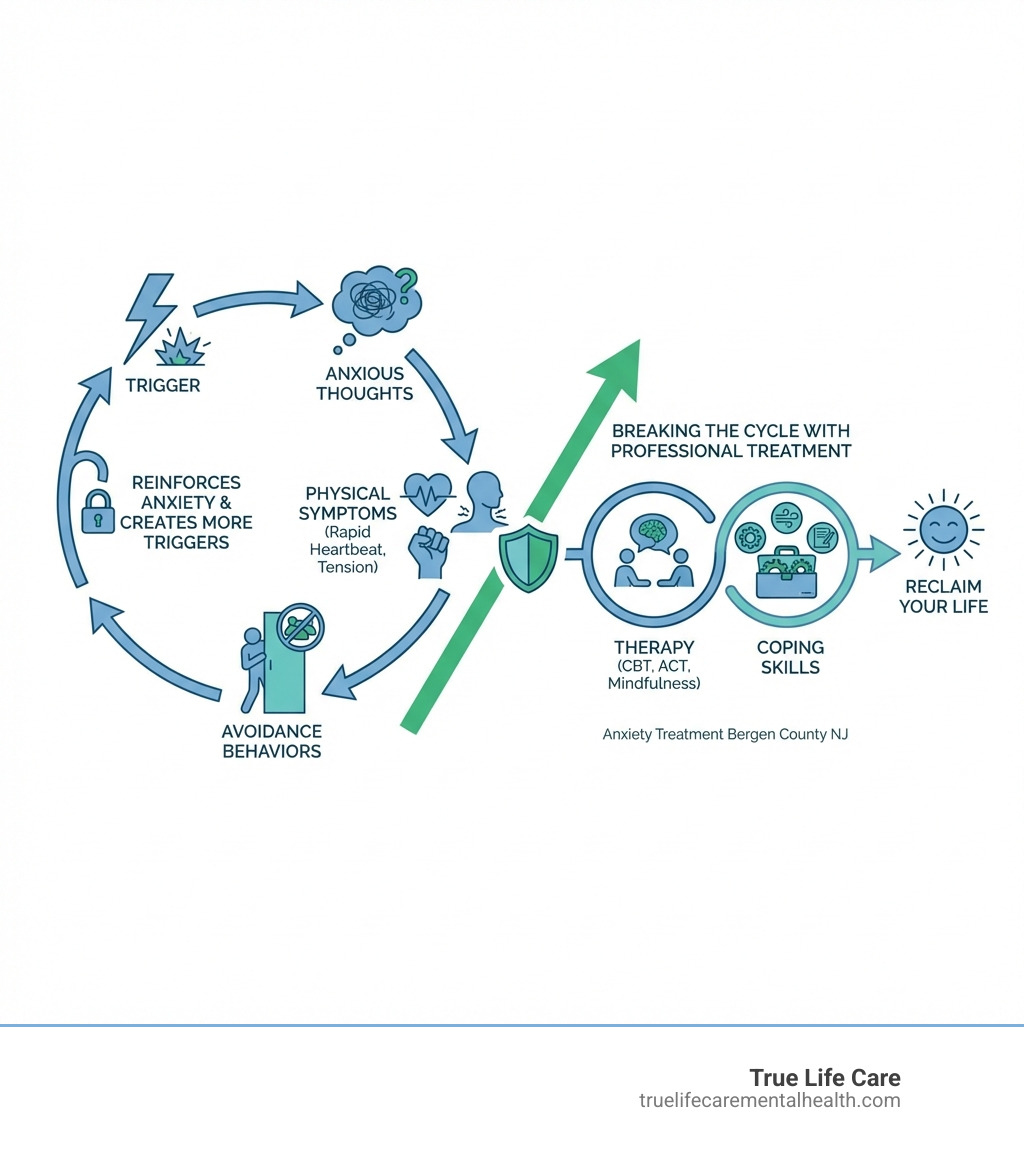
Understanding Anxiety: Signs, Symptoms, and Common Types
Anxiety is a normal human response to stress; it’s our body’s natural alarm system, signaling potential danger and helping us prepare to face challenges. For instance, feeling nervous before a big presentation or a job interview is completely normal. These feelings typically subside once the situation is resolved. However, for many people, anxiety doesn’t go away. In fact, it can worsen over time, interfering with daily activities, work, school, and relationships. This is when anxiety transitions from a normal, transient emotion to a clinical disorder that requires attention and Anxiety Treatment Bergen County NJ.
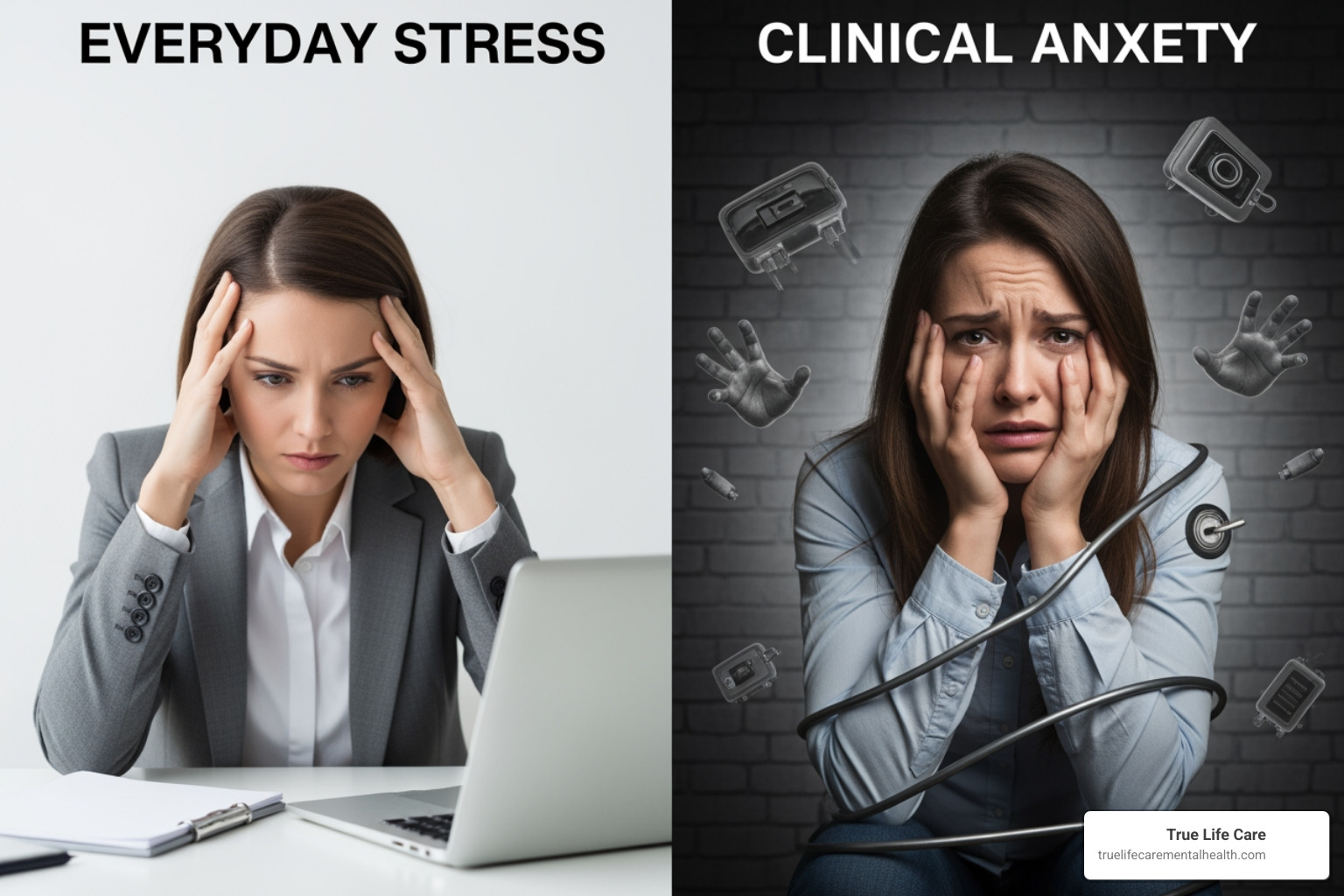
When anxiety becomes so intense and persistent that it disrupts your daily routine, it’s no longer just “normal.” It might manifest as a pervasive sense of dread, a constant feeling of being tense and edgy, or even physical symptoms that make daily functioning difficult.
Common signs and symptoms of anxiety disorders can be categorized into physical and psychological manifestations:
-
Physical symptoms often include:
- Rapid heartbeat or heart palpitations
- Shortness of breath or hyperventilation
- Increased or heavy sweating
- Trembling or muscle twitching and tension
- Weakness or lethargy
- Upset stomach or nausea
- Headaches
- Difficulty sleeping or insomnia
-
Psychological symptoms typically involve:
- Excessive, intense, and recurrent feelings of worry, tension, or fear about everyday situations
- Feelings of danger, panic, or dread
- Irritability
- Restlessness or an inability to relax
- Difficulty focusing or thinking clearly about anything other than the source of worry
- Obsessions about certain ideas (which can be a sign of Obsessive-Compulsive Disorder)
- Anxiety surrounding a particular past life event or experience (a sign of Post-Traumatic Stress Disorder)
Anxiety disorders differ considerably, and therapy should be custom to your specific symptoms and diagnosis. Some of the most prevalent types of anxiety disorders we encounter in Bergen County and beyond include:
- Generalized Anxiety Disorder (GAD): This involves chronic, excessive worrying about everyday events or activities, often without any obvious external stressors. Individuals with GAD may experience persistent apprehension along with physical symptoms like muscle tension and restlessness. Anxiety therapy for GAD focuses on managing these pervasive symptoms.
- Panic Disorder: Characterized by recurrent, unexpected panic attacks—sudden, intense episodes of fear that trigger severe physical reactions even when there’s no real danger. Symptoms can include shortness of breath, heart palpitations, dizziness, and an intense fear of losing control or dying. Panic disorder treatment often involves both medication and cognitive-behavioral techniques.
- Social Anxiety Disorder: This disorder manifests as significant anxiety or fear of being negatively judged, embarrassed, or humiliated in social situations. It can make everyday interactions incredibly difficult and lead to avoidance of social gatherings. Effective social anxiety therapy can help individuals manage these feelings and improve their social interactions.
- Obsessive-Compulsive Disorder (OCD): While often categorized separately, OCD is closely related to anxiety and involves unwanted, repetitive thoughts (obsessions) and compulsive actions (rituals) performed to reduce the anxiety caused by these thoughts. Treatments for OCD typically include a combination of methods like medication and therapy, aimed at reducing compulsions and managing the stress they cause.
Understanding these distinctions is the first step toward finding the right Anxiety Treatment Bergen County NJ.
Resource #1: Evidence-Based Psychotherapy and Counseling at True Life Care
For many anxiety problems, psychotherapy is the place to start. At True Life Care, we believe that therapy is not just about managing symptoms; it’s about uncovering the underlying causes of your worries and fears, equipping you with new skills, and empowering you to live a fulfilling life. Research consistently shows that therapy is the most effective option for treating anxiety disorders, providing long-term resolution rather than just temporary relief.

The benefits of seeking professional anxiety treatment versus self-management are profound. While self-help strategies can be useful, a qualified therapist can provide a personalized, evidence-based approach that addresses your specific needs. We help you learn how to relax and reframe anxious thinking, look at situations in new and less frightening ways, and develop better coping and problem-solving skills. Our goal is to help you build resilience and reclaim your quality of life, ensuring you don’t just cope, but thrive.
The Power of Cognitive Behavioral Therapy (CBT) for Anxiety
Cognitive Behavioral Therapy (CBT) is a cornerstone of our anxiety treatment programs and is widely recognized as one of the most effective treatments for anxiety disorders. CBT operates on the principle that our thoughts, feelings, and behaviors are interconnected. If we can change unhelpful thought patterns and behaviors, we can alleviate distressing emotions like anxiety.
In CBT, we work with you to:
- Identify negative thought patterns: This involves recognizing the automatic negative thoughts that contribute to your anxiety. For example, catastrophizing (assuming the worst-case scenario) or overgeneralizing.
- Cognitive restructuring: Once identified, we help you challenge these irrational or unhelpful thoughts. By examining the evidence for and against them, you learn to replace them with more balanced and realistic perspectives. This allows you to reframe situations in new and less frightening ways.
- Behavioral activation: Anxiety often leads to avoidance behaviors. CBT encourages gradually engaging in activities you’ve been avoiding to show yourself that your fears are often unfounded or manageable.
- Develop problem-solving skills: We equip you with practical strategies to tackle life’s challenges, reducing the feeling of being overwhelmed that often fuels anxiety.
The evidence for CBT’s effectiveness is overwhelming. It helps individuals understand the connection between their thoughts, feelings, and behaviors, enabling them to change negative thought patterns that fuel anxiety and develop robust coping strategies.
Other Effective Therapeutic Approaches at True Life Care
While CBT is incredibly powerful, we understand that anxiety disorders are diverse, and therapy should be custom to your specific symptoms and diagnosis. We offer a range of other evidence-based therapeutic approaches to provide comprehensive Anxiety Treatment Bergen County NJ:
- Acceptance and Commitment Therapy (ACT): ACT helps you accept difficult emotions and thoughts rather than fighting them, while committing to actions aligned with your personal values. This approach reduces suffering by fostering psychological flexibility.
- Mindfulness-Based Therapies: These therapies teach techniques to reduce stress and improve emotional regulation by focusing on the present moment without judgment. This can involve meditation, breathing exercises, and body scans.
- Compassion-Focused Therapy (CFT): CFT helps you build self-compassion and reduce self-criticism, which are often significant factors in anxiety and depression. It cultivates feelings of warmth, safety, and acceptance towards oneself.
- Exposure Therapy: Particularly useful for specific phobias, panic disorder, and OCD, exposure therapy involves gradually and safely confronting feared objects, situations, or thoughts. This desensitization process helps you realize that your fears are often exaggerated and that you can manage the anxiety response.
- Somatic Exercises: Recognizing the strong “body and brain connection,” we also incorporate somatic exercises and techniques aimed at calming the nervous system. These help you become more aware of physical sensations related to anxiety and learn to regulate them.
We believe that therapy is a partnership, and finding the right fit between you and your therapist is crucial for effectiveness. We work with you to develop a specific, individualized plan to help you overcome your challenges and teach you how to use your new skills to live a fulfilling and productive life.
Resource #2: Psychiatric Care and Medication Management at True Life Care
For some individuals, especially those with severe anxiety or co-occurring conditions, medication can play a vital role in their Anxiety Treatment Bergen County NJ plan. At True Life Care, we carefully consider the use of medication as part of a comprehensive treatment strategy, always in conjunction with therapy.
Medication is not typically a standalone solution but rather a tool to help manage symptoms, making it easier for you to engage in therapy and develop coping skills. Think of it this way: medications can offer a patient a better headspace in which to work on techniques learned in therapy. For example, panic disorder treatment often involves both medication and cognitive-behavioral techniques, and treatments for OCD typically combine medication and therapy to reduce compulsions and manage associated stress.
The types of medication commonly used in anxiety treatment include:
- Anxiolytics: These medications, such as benzodiazepines, can provide quick relief from acute anxiety symptoms or panic attacks. They typically work within 20-30 minutes. However, they are generally prescribed for short-term use due to potential for dependence.
- Antidepressants: Many antidepressants, particularly Selective Serotonin Reuptake Inhibitors (SSRIs), are highly effective for various anxiety disorders. Unlike anxiolytics, they need to be taken consistently over time, and typically take two to four weeks before a benefit is felt. They work by balancing neurotransmitters in the brain.
The role of a psychiatrist in your anxiety treatment is crucial. Our psychiatric team at True Life Care conducts a comprehensive evaluation to determine if medication is appropriate for your specific condition and needs. If prescribed, they manage your medication, carefully monitoring its effectiveness and any potential side effects. This personalized approach ensures that medication supports your overall well-being and improves the benefits of your therapy. We are committed to patient-centered care, tailoring your treatment to your unique physiological and psychological profile.
Resource #3: Accessing Specialized Anxiety Treatment in Bergen County with True Life Care
Finding a qualified anxiety therapist or treatment center in Bergen County might seem daunting, but we’re here to guide you. The key is to look for providers who are not only experienced but also specialize in anxiety disorders and offer evidence-based treatments.
When searching for the right fit, consider these steps:
- Seek Referrals: Your primary care physician can often provide valuable referrals to mental health professionals in the area. Friends or family members who have had positive experiences with therapy might also offer recommendations.
- Use Reputable Mental Health Directories: Online directories can help you search for licensed therapists and psychiatrists by specialization, location (like Bergen County, NJ), and insurance.
- Check Credentials and Specialization: Look for therapists with licenses (e.g., LCSW, LPC, Psychologist, Psychiatrist) and specific training in anxiety disorders. Many therapists will highlight their expertise in CBT, ACT, or other evidence-based modalities.
- Initial Consultations: Many providers, including us, offer a free initial consultation. This is an excellent opportunity to ask questions, discuss your needs, and assess if the therapist’s approach and personality are a good fit for you.
At True Life Care, we pride ourselves on offering specialized Anxiety Treatment Bergen County NJ with a team dedicated to helping you overcome emotional challenges, build resilience, and reclaim your quality of life.
Programs for Specific Demographics at True Life Care
Anxiety doesn’t discriminate by age or life stage, and its manifestations can be unique across different demographics. That’s why we offer specialized anxiety treatment programs custom to specific populations:
- Teen and Youth Programs: Adolescence can be a challenging time, and anxiety can significantly impact development. We offer intervention groups, like the “Freedom From Anxiety” program mentioned in our research, designed for youth struggling with anxiety symptoms. These interactive programs teach healthy coping strategies to manage thoughts and feelings, incorporating behavioral approaches (relaxation training, interactive activities) and cognitive approaches (problem-solving). We address issues like school refusal, social anxiety, and help with social skill development.
- Adult Programs: For adults, anxiety can manifest as high-functioning anxiety (where individuals appear successful but struggle internally), work-related stress, or anxiety related to major life transitions. Our individualized therapy plans address these unique challenges, providing strategies for stress management, developing coping skills, and improving overall well-being.
- Perinatal/Postpartum Anxiety: The journey of conception, pregnancy, and postpartum can bring immense joy but also significant anxiety. Our Maternal and Family Center specifically meets the mental health care needs for prenatal, pregnant, and up to two years postpartum women and families. This program is designed for women and families who are trying to conceive, are currently pregnant or postpartum, or who have suffered grief related to pregnancy loss.
- First Responder Counseling: We also provide specialized counseling for first responders, recognizing the unique stressors and trauma they encounter in their professions.
Navigating the Logistics of Your Anxiety Treatment in Bergen County
Understanding the practical aspects of Anxiety Treatment Bergen County NJ is essential for a smooth journey to recovery.
- Treatment Duration: The length of anxiety treatment varies. For some, progress can be seen in 8–12 sessions, especially with structured therapies like CBT. For others, particularly those with more severe or chronic conditions, therapy may take 5-20 weekly sessions or even longer to show significant results. Our plans are always customized to your needs.
- Cost of Treatment: Mental health care is an investment in your well-being. Costs can vary depending on the type of service and provider. We believe in transparency regarding fees. You are entitled to receive a “Good Faith Estimate” that outlines the anticipated cost of your medical care. Contact our office or visit www.cms.gov/nosurprises for more information on your rights under the No Surprises Act. Some providers may also offer sliding scale fees based on income.
- Insurance Coverage: Many major insurance plans are accepted for mental health services. If we are out-of-network with your insurance, we can often provide superbills for out-of-network reimbursement, allowing you to potentially recover a portion of your costs directly from your insurance provider. We encourage you to contact your insurance company directly to understand your mental health benefits.
Resource #4: Immediate Crisis Support for Severe Anxiety
While anxiety treatment aims for long-term well-being, there are times when anxiety can escalate into a mental health crisis, such as severe panic attacks or thoughts of self-harm. Knowing where to turn for immediate crisis support in Bergen County is crucial.
When anxiety causes disruption to your daily life, leading to overwhelming fear, avoidance of situations, or physical symptoms like shortness of breath, sweating, dizziness, or panic attacks that feel uncontrollable, it’s time to seek immediate help. If you or a loved one are experiencing suicidal thoughts, posing a danger to yourselves or others, or are unable to care for yourselves, these are clear signs of a mental health crisis.
In Bergen County, there are dedicated resources for crisis intervention:
- Bergen County’s Psychiatric Emergency Screening Service (PESS): For immediate mental health emergencies for adults, call (201) 262-HELP (4357). This is a 24/7 line that provides crisis assessment, stabilization, and referrals to appropriate mental health services.
- New Jersey’s Children’s System of Care: For children and youth up to age 21 experiencing a behavioral or mental health crisis, call (877) 652-7624. This 24/7 line can connect you to in-home support and crisis de-escalation services.
- 988 Suicide & Crisis Lifeline: For nationwide, 24/7 confidential support, you can call or text 988.
These services are accessible alternatives to emergency rooms for emotional emergencies, offering immediate relief and helping you begin the healing process. There’s nothing wrong with experiencing a crisis, and help is always available. If the situation is life-threatening, always call 911 immediately.
Resource #5: Holistic Approaches and Building Resilience at True Life Care
At True Life Care, we understand that effective Anxiety Treatment Bergen County NJ extends beyond traditional therapy and medication. We accept a holistic view, recognizing the profound mind-body connection and the importance of lifestyle strategies in building resilience and promoting overall well-being.
Our holistic approach integrates various elements to support your journey:
- Lifestyle Strategies: Simple yet powerful daily habits can significantly impact anxiety levels. This includes regular physical exercise, which has been shown to help symptoms of anxiety across the board. Improved sleep hygiene and a balanced diet also play critical roles in mood regulation and stress reduction.
- Stress Management and Relaxation Techniques: We teach practical techniques to manage daily stressors. This includes:
- Mindfulness and Meditation: Focusing on the present moment without judgment can reduce the impact of anxious thoughts.
- Deep Breathing Exercises: Simple breathing techniques can quickly calm the nervous system and alleviate physical symptoms of anxiety.
- Progressive Muscle Relaxation: Systematically tensing and relaxing different muscle groups helps release physical tension.
- Building a Support Network: Humans are social beings, and a strong support system is vital for mental health. We help you improve communication skills and build supportive relationships, whether with family, friends, or support groups. Connecting with others who understand your experiences can be incredibly validating and empowering.
- Addressing Co-occurring Issues: Anxiety often co-occurs with other challenges, such as addiction. Our comprehensive services include addiction recovery services, offering a range of support from evaluation to outpatient withdrawal management, medication-assisted treatment (MAT), and therapeutic support.
By integrating these holistic approaches, we empower you to develop a robust toolkit for managing anxiety, building resilience, and living a more balanced and fulfilling life.
Frequently Asked Questions about Anxiety Treatment
How long does anxiety therapy take to work?
The duration of anxiety therapy can vary significantly from person to person, as it depends on the severity of your condition, the type of anxiety disorder, and your individual response to treatment. Many clients begin to see noticeable progress within 8–12 sessions, especially with structured, evidence-based therapies like CBT. For some, a course of 5-20 weekly sessions may be needed to achieve their goals. If your anxiety stems from deeper underlying issues or trauma, long-term therapy might be more beneficial. Consistency in attending sessions and practicing coping skills learned in therapy is key to faster and more lasting results.
Is therapy or medication better for anxiety?
Research indicates that therapy is often the most effective option for treating anxiety, particularly as a first-line approach. It addresses the root causes, helps you develop coping mechanisms, and provides long-term strategies for managing anxiety. However, for many individuals, a combination of therapy and medication proves to be the most beneficial. Medication can help alleviate severe symptoms, creating a more stable mental state that allows you to engage more effectively in therapy. The best approach depends on your specific diagnosis, symptom severity, and personal preferences, and should always be discussed with a qualified mental health professional who can provide a comprehensive evaluation.
What are the first steps to getting help for anxiety in Bergen County?
Taking the first step is a courageous move! Here’s how you can begin your journey to Anxiety Treatment Bergen County NJ:
- Self-Assess Your Symptoms: Reflect on how anxiety is impacting your daily life. Is it causing significant distress or interfering with work, relationships, or daily activities?
- Speak with Your Primary Care Doctor: Your doctor can rule out any physical health issues causing your symptoms and can often provide referrals to mental health professionals.
- Research Local Therapists and Centers: Look for providers in Bergen County who specialize in anxiety. Use online directories and check for therapists offering specific modalities like CBT or ACT.
- Call for a Consultation: Many therapists offer a free initial consultation. This is an excellent opportunity to discuss your concerns, learn about their approach, and see if it feels like a good fit.
- Use Crisis Lines if Needed: If your anxiety feels overwhelming, or you’re experiencing severe panic attacks or thoughts of self-harm, immediately reach out to a crisis line in Bergen County, such as the 24/7 Psychiatric Emergency Help line at (201) 262-HELP (4357).
Conclusion
Anxiety does not have to rule your life. It is a manageable and treatable condition, and Bergen County offers numerous resources to help you on your path to recovery. We’ve explored five key avenues for Anxiety Treatment Bergen County NJ: evidence-based psychotherapy, psychiatric care and medication management, specialized programs for various demographics, immediate crisis support, and holistic approaches to building resilience.
Taking that first step towards seeking help is a powerful act of self-care. At True Life Care, we are committed to providing personalized, evidence-based treatment with a holistic approach, empowering you for long-term recovery and well-being. We understand the challenges you face, and we’re here to guide you through them with compassion and expertise.
Begin your journey to recovery with our specialized anxiety treatment program in New Jersey