
Depression Treatment in Hudson County NJ: Top 5 Best Options
Why Depression Treatment in Hudson County NJ Matters for Your Recovery
Depression treatment in Hudson County NJ offers accessible, evidence-based care for residents struggling with this serious mood disorder. If you’re looking for help right now, here are your main options:
Quick Answer: Depression Treatment Options in Hudson County
- Outpatient Therapy – Individual, group, or family counseling (CBT, IPT, mindfulness-based approaches)
- Psychiatric Care & Medication Management – Antidepressants and professional monitoring
- Intensive Outpatient Programs (IOP) – 9-12 hours/week of structured therapy while maintaining your routine
- Partial Hospitalization Programs (PHP) – Day treatment for more intensive support
- 24/7 Crisis Services – Emergency psychiatric screening at Jersey City Medical Center and 988 Suicide & Crisis Lifeline
Depression affects more than 8% of adults and 15% of children ages 12-17 in the United States. In Hudson County—home to Jersey City, Hoboken, and surrounding communities—thousands of residents experience this treatable medical condition every year.
You’re not alone, and you’re not weak for needing help.
Depression isn’t just feeling sad for a few days. It’s a chemical imbalance in the brain that touches every part of your life—your relationships, work, physical health, and sense of hope. Many people in Hudson County face barriers like busy work schedules, concerns about insurance coverage, or simply not knowing where to start.
The good news? Depression is highly treatable. With the right support, most people see significant improvement. Hudson County offers a range of treatment options—from weekly therapy sessions to intensive programs—that can fit into your life while you work toward recovery.
This guide walks you through the five most effective depression treatment approaches available locally, how to access care in Hudson County, and what to expect from the recovery process.
Recognizing the Signs and Benefits of Seeking Help
Sometimes, it can be hard to tell if what you’re feeling is just a temporary dip in mood or something more serious. We all have bad days, but when those bad days turn into weeks, and the sadness feels like a heavy blanket you can’t shake off, it might be time to consider if you’re experiencing depression.
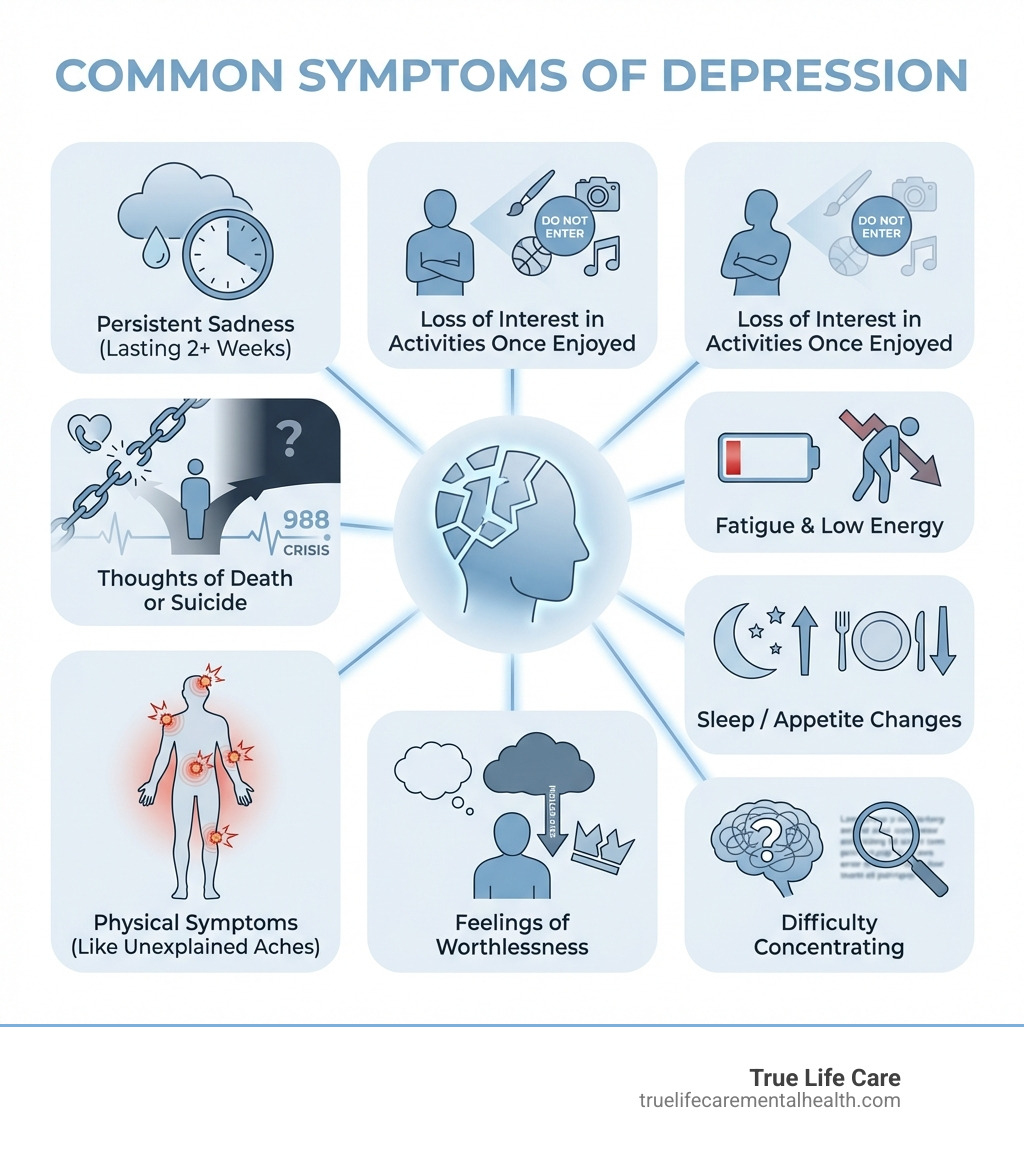
So, what are the common signs that residents in Hudson County, or anywhere, might experience? We often see symptoms like:
- Persistent sadness or anxiety: A low mood that lasts for at least two weeks, often accompanied by feelings of hopelessness or worthlessness.
- Loss of interest or pleasure: Activities that once brought you joy—whether it was walking along the Hudson River waterfront, grabbing coffee with friends in Hoboken, or cheering on your favorite sports team—no longer feel appealing.
- Changes in appetite or weight: You might find yourself eating much more or much less than usual, leading to noticeable weight gain or loss.
- Sleep disturbances: This can manifest as insomnia (trouble falling or staying asleep) or hypersomnia (sleeping excessively).
- Fatigue or loss of energy: Even small tasks feel exhausting, and you constantly feel tired.
- Difficulty concentrating: Making decisions, focusing at work or school, or even following a conversation becomes a struggle.
- Feelings of worthlessness or guilt: You might feel like a burden to others, or constantly blame yourself for things beyond your control.
- Physical aches and pains: Unexplained headaches, digestive problems, or general body aches can also be symptoms.
- Thoughts of death or suicide: These are serious and require immediate attention. If you or someone you know is experiencing these thoughts, please reach out for help right away.
These symptoms aren’t just in your head; they’re a diagnosable illness that can profoundly impact your life, affecting your relationships, work, and even your physical health. Depression is not a weakness or a character flaw, but rather a chemical imbalance in the brain that needs treatment. It can also take a physical toll, leading to lethargy and strain on your circulatory system over time.
We also know that depression often co-occurs with other challenges, such as anxiety or substance use. Many individuals might turn to substances as a coping mechanism, thinking it will ease their anxiety or sadness. However, this is often an illusion, as substance abuse can actually alter brain chemistry and lead to more serious long-term problems. Addressing both issues simultaneously is crucial for comprehensive recovery.
The benefits of seeking professional help for depression treatment in Hudson County NJ are immense. When you reach out, you gain a supportive, professional space to explore and overcome depression. You’ll learn improved coping skills, gain clarity, manage difficult emotions, and begin to rebuild a sense of purpose and control over your life. Seeking help is about reclaiming your joy and stepping onto a path of hope, health, and renewal.

Top 5 Evidence-Based Depression Treatment Approaches
When it comes to effective depression treatment in Hudson County NJ, we rely on evidence-based approaches that have been proven to help people feel better and reclaim their lives. Here are five main types of treatment that we often use:
1. Psychotherapy (Talk Therapy)
Psychotherapy, often called talk therapy, is a cornerstone of depression treatment in Hudson County NJ. It involves working with a licensed mental health professional to explore your thoughts, feelings, and behaviors in a safe and confidential environment. The goal is to uncover the root causes of your depression symptoms and equip you with practical tools and coping strategies.
Two highly effective forms of psychotherapy for depression are:
- Cognitive Behavioral Therapy (CBT): This approach helps you identify and reshape negative thought patterns and behaviors that contribute to depression. For example, if you tend to catastrophize situations (“everything always goes wrong”), CBT teaches you to challenge these thoughts and replace them with more realistic ones. It’s about changing how you think to change how you feel.
- Interpersonal Therapy (IPT): IPT focuses on improving your relationships and communication skills. It recognizes that problems in your social roles and relationships can significantly impact your mood. By strengthening your connections and resolving interpersonal conflicts, IPT helps build a supportive network and reduce depressive symptoms.
Beyond these, many providers also use mindfulness and acceptance-based techniques, which provide tools to manage difficult emotions and find calm in daily life. Therapy can be individual, couples, family, or even group sessions, depending on your needs.
2. Psychiatric Care and Medication Management
For many, depression involves an imbalance of brain chemicals, and medication can play a crucial role in restoring that balance. Psychiatric care and medication management involve working with a psychiatrist or other prescribing clinician who can assess your symptoms and determine if antidepressant medication is appropriate.
Antidepressants work by affecting brain chemicals, and it’s important to understand that they typically take 4 to 6 weeks to have a full effect. Consistent use is essential, and you should never stop medication without consulting your healthcare provider. Your provider will closely monitor your progress, adjust dosages as needed, and manage any potential side effects.
Taking medication for depression is not a sign of weakness. Just as someone with a heart condition might take medication to manage their physical health, someone with depression might take medication to manage their mental health. It’s a medical condition, and medication is a legitimate and often very effective part of a comprehensive depression treatment in Hudson County NJ plan.
3. Structured Outpatient Programs (IOP & PHP)
Sometimes, weekly therapy sessions aren’t enough, but full hospitalization isn’t necessary. That’s where structured outpatient programs like Intensive Outpatient Programs (IOP) and Partial Hospitalization Programs (PHP) come in. These programs offer a higher level of care while allowing you to maintain your daily routine, such as going to work or school, and staying connected to your support network.
- Intensive Outpatient Programs (IOP): An IOP is designed for individuals who need more intensive therapy but wish to maintain their daily routine. Typically, an IOP involves 9 to 12 hours of therapy per week, for a minimum of 3 days. These programs often include a mix of group therapy, psycho-education, individual therapy, and sometimes family therapy and medication management. Many local providers offer outpatient treatment for mental health disorders, including IOPs, recognizing the benefits of this flexible yet structured approach.
- Partial Hospitalization Programs (PHP): A PHP offers an even more intensive level of care, often serving as a step-down from inpatient hospitalization or for those who need significant support to avoid hospitalization. PHPs provide comprehensive day treatment, allowing you to return home in the evenings. These programs are ideal for stabilizing acute symptoms and providing robust therapeutic support.
These programs are excellent options for depression treatment in Hudson County NJ, providing a supportive environment to learn new coping skills and make significant strides in your recovery journey.
4. Holistic and Integrated Therapies
We believe in treating the whole person, not just the symptoms. Holistic and integrated therapies recognize the profound connection between your mind, body, and spirit. This approach goes beyond traditional symptom alleviation to address the root causes of depression and promote overall well-being.

In Hudson County, you’ll find local providers offering diverse holistic therapies. These can include:
- Art Therapy: Using creative expression to explore emotions and reduce stress.
- Yoga and Meditation: Practices that foster mindfulness, reduce anxiety, and improve emotional regulation.
- Nutrition Counseling: Understanding how diet impacts mood and energy levels, and making dietary changes to support mental health.
- Spiritual Counseling: For those who find comfort and guidance in their spiritual beliefs, integrating these aspects into therapy can be incredibly healing.
- Nature-Based Activities: Connecting with the outdoors can have a profound positive impact on mental health.
Adopting healthy habits, including eating nutritious foods, getting regular exercise, sleeping enough, and minimizing stress, is crucial. Avoiding alcohol, smoking, and drugs also significantly aids in depression management. This integrated approach helps you build resilience and achieve long-term wellness.
5. Personalized Care for Different Types of Depression
Depression isn’t a one-size-fits-all condition. Different types of depression require custom approaches, and providers offering depression treatment in Hudson County NJ are equipped to address these nuances.
- Postpartum Depression: This type of depression affects many new mothers due to drastic hormonal changes during pregnancy and after childbirth. While some mood swings are normal, if symptoms of sadness, anxiety, or hopelessness persist for more than two weeks, it’s crucial to seek professional help. Support groups and specialized therapy can be particularly beneficial here, and local public health initiatives in Hudson County often include screening and education around postpartum mental health.
- Premenstrual Dysphoric Disorder (PMDD): A severe form of PMS, PMDD involves debilitating physical and emotional symptoms (like severe mood swings, irritability, and depression) before menstruation. Comprehensive assessment, psychotherapy, medication management, and lifestyle modifications can all play a role in treatment.
- Seasonal Affective Disorder (SAD): This depression often occurs during the colder, darker months. Treatment might involve light therapy, psychotherapy, and medication.
- Treatment-Resistant Depression: For severe cases that haven’t responded to standard treatments, advanced options like Electroconvulsive Therapy (ECT) might be considered. While ECT is typically used for severe, life-threatening depression, it can be a highly effective option under strict medical supervision.
Personalized care ensures that your unique symptoms, medical history, and lifestyle are considered, leading to the most effective path to recovery.
Navigating Depression Treatment in Hudson County NJ
Navigating the healthcare system can feel overwhelming, especially when you’re already struggling with depression. But we want you to know that finding depression treatment in Hudson County NJ is achievable, and support is available to help you understand how.
Finding the Right Depression Treatment in Hudson County NJ
Your journey to finding the right depression treatment in Hudson County NJ often begins with a few key steps:
- Start with Your Primary Care Physician (PCP): Your family doctor can be a great first point of contact. They can assess your symptoms, rule out any underlying physical conditions, and provide initial referrals to mental health specialists.
- Explore Hospital Behavioral Health Services: Large medical centers in the area offer comprehensive behavioral health services, including psychiatric emergency/screening, acute inpatient care, partial hospitalization programs, and outpatient programs. Designated screening centers in Hudson County are a crucial resource for urgent needs and are typically available 24 hours a day, seven days a week.
- Community Mental Health Resources: Organizations like The Mental Health Association in New Jersey in Hudson County can provide valuable information, support, and referrals to local services.
- Specialized Outpatient Providers: Many local private practices and centers offer specific depression treatment in Hudson County NJ. These providers may offer outpatient treatment in locations like Hoboken and Downtown Jersey City, with options for in-office or telehealth evaluations to provide flexibility for busy schedules.
As a provider of comprehensive mental health services in New Jersey, True Life Care Mental Health understands the importance of personalized, evidence-based care. We are committed to empowering individuals for long-term recovery and well-being through our holistic approach, flexible programs (like PHP and IOP), and expert psychiatric care.
Paying for Depression Treatment in Hudson County NJ
Concerns about cost or insurance coverage are common barriers to seeking depression treatment in Hudson County NJ. However, many options exist to make treatment affordable and accessible:
- Insurance Coverage: Most commercial health insurance plans cover mental health services. Federal and state laws, such as Mental Health Parity laws, require many insurance plans to cover mental health care at the same level as physical health care.
- Medicaid and Medicare: Many facilities accept Medicaid and Medicare, helping ensure that individuals with these plans can access necessary care.
- Verifying Benefits: It is always a good idea to contact your insurance provider directly to understand your specific benefits, including deductibles, co-pays, and any pre-authorization requirements for depression treatment in Hudson County NJ.
- Sliding Scale Fees: Some individual therapists and clinics may offer services on a sliding scale, adjusting fees based on your income, making therapy more affordable. Don’t hesitate to ask about these options when inquiring about services.
Discussing payment options upfront can help alleviate financial stress and allow you to focus on your recovery.
Emergency Resources and Crisis Support
If you or someone you know in Hudson County is experiencing a mental health crisis or suicidal thoughts, please reach out for help immediately. You are not alone, and support is available 24/7.
- 988 Suicide & Crisis Lifeline: You can call or text 988 anytime to connect with trained crisis counselors. This service is available nationwide and can provide immediate support and connect you to local resources.
- 24/7 Psychiatric Emergency Services: Designated psychiatric emergency screening services in Hudson County are available around the clock. If you are in crisis, you can go to an emergency department for assessment and stabilization.
- Mobile Outreach: Some emergency screening services in the county have mobile outreach teams that can respond to crises in the community, providing assessment and support where it’s needed.
- When to Go to the ER: If you are experiencing suicidal thoughts with a plan, severe self-harm urges, or a psychotic episode, going to the nearest emergency room is the safest and quickest way to get immediate professional help.
- General Mental Health Resources: For broader support and information, organizations like MHA: We’re Here to Help – Home offer valuable resources and guidance.
Taking that brave step to seek emergency help can be life-saving, and the resources in Hudson County are ready to assist.
Frequently Asked Questions About Local Depression Care
We understand you might have more questions as you consider depression treatment in Hudson County NJ. Here are some common ones we hear:
How long does depression treatment usually take?
The duration of depression treatment in Hudson County NJ varies greatly from person to person. Depression is a complex condition, and recovery is a journey, not a race. While some individuals may experience significant improvement with short-term therapy or a course of medication, others may benefit from longer-term support. For example, antidepressants typically take 4 to 6 weeks to show their full effect, and doctors often recommend continuing them for several months after symptoms improve. Therapy can range from a few months to a year or more, depending on the severity of depression and the individual’s progress. The goal is always to find a sustainable path to well-being that works for you.
Is telehealth a good option for depression therapy in Hudson County?
Absolutely! Telehealth, or online therapy, has become an increasingly popular and effective option for depression treatment in Hudson County NJ. Many local providers offer telehealth evaluations and sessions. This format provides immense flexibility, allowing you to attend therapy from the comfort and privacy of your home, saving time on commuting, and making it easier to fit appointments into a busy schedule. It also expands access to care, especially for those with transportation challenges or limited mobility.
What is the difference between an IOP and regular weekly therapy?
The main difference between an Intensive Outpatient Program (IOP) and regular weekly therapy lies in the intensity and time commitment.
- Regular weekly therapy typically involves one or two sessions per week, lasting 45-60 minutes each. It’s a great option for managing mild to moderate depression, providing ongoing support, and building coping skills over time.
- An IOP, on the other hand, is a higher level of care. It’s designed for individuals who need more structured support than weekly therapy but don’t require 24/7 supervision. As we discussed, IOPs often involve 9 to 12 hours of therapy per week, usually spread across three or more days. This structured programming includes a combination of individual therapy, group counseling, psycho-education, and sometimes family therapy or medication management. IOPs provide a more immersive and intensive therapeutic experience, helping individuals stabilize symptoms and develop robust coping strategies more quickly while still living at home.
Begin Your Journey to Wellness in New Jersey
We hope this guide has shed some light on the diverse and effective options for depression treatment in Hudson County NJ. Depression is a treatable medical condition, and taking the first step towards seeking help is a courageous act of self-care. You don’t have to face this alone.
At True Life Care Mental Health, we are dedicated to providing personalized, evidence-based mental health and addiction treatment throughout New Jersey. Our unique approach combines flexible programs like Partial Hospitalization Programs (PHP) and Intensive Outpatient Programs (IOP) with expert psychiatric care, all delivered with a holistic perspective. We empower individuals like you to achieve long-term recovery and well-being, helping you reclaim a life filled with hope and purpose.
Your journey to healing starts now.