Dual Diagnosis NJ 2026: Ultimate Hope
Understanding Dual Diagnosis: A Critical Challenge in New Jersey
Dual diagnosis NJ is a term for facing both mental health challenges and substance use issues simultaneously. Key points to know:
- What it is: Having a mental health disorder (like depression or anxiety) alongside a substance use disorder.
- Treatment gap: In 2020, 24,931 New Jersey residents were diagnosed with co-occurring disorders, but only 12,740 received treatment.
- Where to start: Look for centers offering integrated treatment that addresses both conditions at once.
- What to expect: Evidence-based therapies (CBT, DBT), medication management, and ongoing support.
- Insurance: Most plans cover dual diagnosis treatment under MHPAEA law; Medicaid and Medicare also provide coverage.
The reality is stark: nearly half of people with a substance use disorder also have a mental health disorder. In New Jersey, 22% of adults treated for mental illness in 2020 also had a substance use disorder diagnosis.
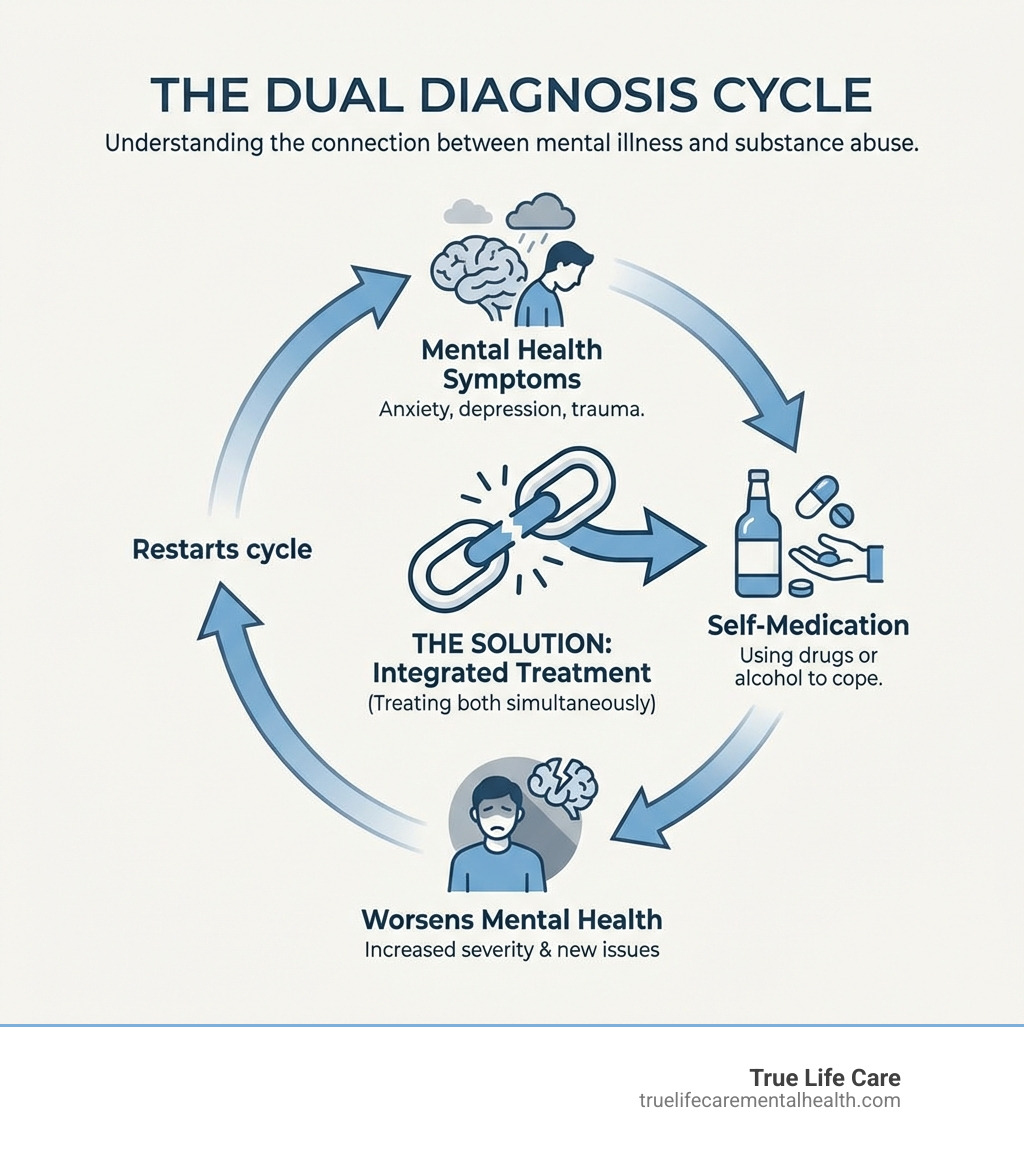
These conditions feed off each other in a destructive cycle. For example, someone with depression might use alcohol to self-medicate, which in turn worsens their mental health. Determining which came first isn’t the priority; treating both at the same time is.
That’s where integrated dual diagnosis treatment comes in. Instead of separate programs, you get coordinated care that addresses the whole picture. Research shows this approach leads to better outcomes, lower relapse rates, and a real chance at lasting recovery.
This guide will help you understand what dual diagnosis looks like, why New Jersey has a significant treatment gap, and how to find the right treatment program for your needs.
Understanding Dual Diagnosis in New Jersey
When we talk about dual diagnosis NJ, we’re referring to the co-occurrence of a mental health disorder and a substance use disorder. This is a lived reality for thousands in the Garden State, where one condition often exacerbates the other, creating a challenging cycle that’s difficult to break without proper support.

The prevalence of dual diagnosis in New Jersey is significant. In 2020, 24,931 individuals were diagnosed with co-occurring disorders, but the treatment gap is a serious concern: only 12,740 received care. This means more than half weren’t getting the help they needed. Furthermore, among adults treated in New Jersey’s mental health system in 2020, 22% also had a substance use disorder diagnosis. These figures underscore the critical need for accessible dual diagnosis NJ treatment.
Common co-occurring disorders include anxiety, depression, Post-Traumatic Stress Disorder (PTSD), and bipolar disorder, but also ADHD, personality disorders, and OCD. The link is profound: nearly 50 percent of individuals with a substance use disorder also have a mental health disorder. Often, mental health conditions lead to substance use as a coping mechanism, which in turn worsens mental health. To learn more about this impact, explore How Dual Diagnosis Impacts Individuals in NJ.
Recognizing the Signs and Symptoms
Identifying a dual diagnosis NJ can be tricky because symptoms often overlap, making it hard to distinguish between the two conditions. However, recognizing the signs is the first step toward seeking help.
We look for a range of indicators, including:
- Behavioral changes: Angry outbursts, irritability, neglecting responsibilities or hygiene, risky behaviors, and spending excessive time or money on substances.
- Emotional volatility: Extreme mood swings, intense sadness or hopelessness, excessive worry, anxiety attacks, and difficulty concentrating.
- Social withdrawal: Pulling away from friends and family, which can be a symptom of depression, anxiety, or shame related to substance use.
- Physical symptoms: Changes in sleep and appetite, unexplained physical ailments, developing a tolerance to substances, and experiencing withdrawal symptoms.
This overlap presents diagnostic challenges. For instance, anxiety can lead to self-medication with alcohol, making it hard to tell which issue came first. This complexity is why a comprehensive evaluation by experienced professionals is essential for an accurate diagnosis and effective treatment plan.
Why Integrated Treatment is Crucial
Treating mental health and substance use disorders separately is like taking a car with interconnected engine and electrical problems to two different mechanics who don’t communicate. You’re unlikely to get a lasting solution.
Separate treatment often leads to a cycle of relapse. If only the addiction is treated, the underlying anxiety that fueled it can trigger a return to substance use. Conversely, if only the mental health issue is addressed, continued substance abuse can undermine therapeutic progress. Each condition perpetuates the other.
That’s why integrated treatment is crucial for lasting recovery. It means treating the whole person by addressing both disorders simultaneously in a coordinated manner. This holistic approach recognizes that these conditions are deeply intertwined.
The benefits of integrated treatment are clear and compelling. Research shows that patients who received treatment for addiction and a co-occurring mental health issue had a 66% greater chance of obtaining long-term remission. When both conditions are addressed concurrently, we see:
- Improved long-term outcomes: By tackling the root causes and interconnected dynamics, individuals are better equipped to sustain sobriety and manage their mental health, leading to lower relapse rates.
- Improved coping skills: Patients learn healthy strategies to manage cravings, stress, emotional triggers, and mental health symptoms without resorting to substances.
- Greater self-awareness: Understanding how their mental health affects their substance use and vice versa empowers individuals to take control of their recovery journey.
At True Life Care, we believe that taking the right step toward recovery means embracing this integrated approach. It’s about understanding that one cannot truly heal without addressing all facets of their being. For a deeper dive, explore What is Dual Diagnosis Treatment? Taking the Right Step Toward Recovery.
Effective Treatment Approaches for Dual Diagnosis NJ
Finding the right treatment for dual diagnosis NJ can feel like searching for a needle in a haystack, but with the right guidance, it doesn’t have to be. Our approach centers on an integrated, multidisciplinary model designed to address the complex needs of individuals facing co-occurring disorders. We understand that effective treatment isn’t a one-size-fits-all solution; it requires a custom, comprehensive strategy that evolves with you.

The integrated model means that your mental health and substance use disorders are treated together, by the same team, often in the same setting. This coordinated care ensures that no aspect of your well-being is overlooked. This holistic philosophy extends beyond just clinical interventions; it accepts physical, mental, emotional, and even spiritual health, incorporating practices like mindfulness, meditation, and exercise to support overall wellness.
We offer various levels of care to meet diverse needs, recognizing that everyone’s journey is unique:
- Partial Hospitalization Programs (PHP): These are intensive outpatient programs that provide structured, comprehensive treatment typically five days a week for several hours a day. It’s like having the intensity of inpatient care but with the flexibility to return home or to a sober living environment in the evenings. PHP programs often run for 6 to 8 weeks, offering a robust schedule of therapies and support.
- Intensive Outpatient Programs (IOP): IOPs offer a step down from PHP, providing a flexible yet structured treatment option. They involve fewer hours per week than PHP, allowing individuals to balance treatment with work, school, or family responsibilities.
- Outpatient Services: For those who require less intensive support or are transitioning from more structured programs, standard outpatient services provide ongoing therapy, medication management, and support groups on a less frequent schedule.
Underpinning all these levels of care are individualized care plans. We conduct comprehensive assessments of your physical, nutritional, emotional, and cognitive needs to design a program that truly fits you. These plans are not static; they are regularly reviewed and adjusted, typically every 12 to 16 weeks, to ensure they continue to meet your evolving needs throughout your recovery journey. For more insights into what a specialized center offers, explore What is a Dual Diagnosis Treatment Center? Find Out Now!.
Evidence-Based Therapies Used in NJ
In the field of dual diagnosis NJ treatment, selecting therapies that are proven to be effective is paramount. We rely on evidence-based practices that provide concrete tools and strategies for navigating both mental health challenges and substance use disorders.
Here are some of the core therapies we use:
- Cognitive Behavioral Therapy (CBT): This highly effective therapy helps individuals identify and change negative thought patterns and behaviors that contribute to both substance use and mental health symptoms. It teaches coping skills to manage triggers and stress, empowering you to respond to challenging situations in healthier ways.
- Dialectical Behavior Therapy (DBT): Often used for individuals with intense emotional dysregulation, DBT focuses on four key areas: mindfulness, distress tolerance, emotion regulation, and interpersonal effectiveness. It’s incredibly valuable for those who struggle with managing strong emotions or navigating difficult relationships, which are common challenges in dual diagnosis.
- Medication-Assisted Treatment (MAT): When appropriate, MAT combines FDA-approved medications with counseling and behavioral therapies. For opioid use disorder, medications like Vivitrol and Suboxone can significantly reduce cravings and withdrawal symptoms. For alcohol use disorder, medications such as Acamprosate, Naltrexone, and Disulfiram can support abstinence. Additionally, psychiatric medications like antidepressants, anxiolytics, mood stabilizers, and antipsychotics are crucial for managing mental health symptoms effectively. MAT is a powerful tool that helps stabilize individuals so they can fully engage in therapy.
- Trauma-Informed Care: Many individuals with dual diagnosis have experienced trauma. This approach recognizes the widespread impact of trauma and integrates this understanding into all aspects of treatment, creating a safe and supportive environment for healing.
- Group therapy: Sharing experiences and insights with peers in a supportive group setting can be incredibly validating and empowering. Group therapy fosters a sense of community, reduces feelings of isolation, and allows individuals to practice new coping skills in a safe space.
- Family counseling: Addiction and mental health issues affect the entire family system. Family counseling helps improve communication, rebuild trust, and educates family members on how to best support their loved one’s recovery while also addressing their own needs.
For a comprehensive guide on treatments for comorbid conditions, the NIDA guide on treatments for comorbid conditions provides valuable information on these integrated approaches.
The Role of Aftercare and Ongoing Support
Completing a treatment program is a monumental achievement, but we know that recovery is a lifelong journey, not a destination. That’s why aftercare and ongoing support are absolutely vital for individuals with dual diagnosis NJ. Think of it as building a robust support system to help you steer life’s inevitable ups and downs without returning to old patterns.
Our aftercare planning is meticulous, focusing on relapse prevention strategies custom to your unique triggers and challenges. This includes developing a clear plan for managing cravings, identifying warning signs of relapse, and practicing healthy coping mechanisms learned in therapy.
We also encourage and facilitate connections to various forms of ongoing support:
- Sober living arrangements: For many, transitioning from a structured treatment environment to independent living requires an intermediate step. Sober living homes provide a supportive, substance-free environment that helps individuals practice recovery skills and build a stable foundation.
- Support groups: Participation in 12-Step programs like Alcoholics Anonymous (AA) and Narcotics Anonymous (NA), or alternative groups like SMART Recovery, provides invaluable peer support and a framework for continued personal growth. These communities offer a sense of belonging and accountability that can be incredibly powerful.
- Continued therapy: Regular individual and group therapy sessions, even after completing intensive programs, can help reinforce learned skills, address new challenges, and provide ongoing emotional support.
- Building a community: We actively help patients and their families access community resources, negotiate their treatment needs with private providers or social agencies, and build a strong network of support. As an example of community support, some programs offer initiatives like a six-week Weekend Codependency Program, provided at no cost by licensed counselors, which offers support and education for families impacted by addiction. This kind of initiative helps strengthen the family unit, which is often crucial for sustained recovery.
The goal of aftercare is to empower you with the tools, resources, and connections needed to maintain sobriety, manage your mental health, and build a fulfilling life in recovery. It’s about creating a safety net and a springboard for continued success.
How to Choose the Right Dual Diagnosis Treatment Center
Choosing the right dual diagnosis NJ treatment center is one of the most important decisions you’ll make on your path to recovery. It’s not just about finding a place; it’s about finding the right place that understands your unique struggles and can offer the specialized care you deserve. This requires a bit of research and a clear understanding of what to look for.
The importance of research cannot be overstated. You’re looking for a partner in your healing journey, and that partnership should be built on trust, expertise, and a shared commitment to your well-being. Key credentials to look for include state licensing and national accreditations, which signify that a facility meets rigorous standards of care. Equally important is staff expertise. Our team, for example, consists of licensed addiction and psychiatric counselors, medical directors, and various specialists who are deeply experienced in the complexities of dual diagnosis.
Key Questions to Ask a Provider
When you’re evaluating potential treatment centers for dual diagnosis NJ, don’t hesitate to ask probing questions. This is your health, and you have every right to be fully informed. Here’s a list of questions we recommend asking:
- Do you offer integrated care? This is non-negotiable for dual diagnosis. Ensure they treat both your mental health and substance use disorders simultaneously.
- What is your treatment philosophy? Do they emphasize a holistic approach, evidence-based practices, or a combination? A good center will be transparent about their core beliefs.
- What specific therapies do you use? Inquire about CBT, DBT, MAT, trauma-informed care, group therapy, and family counseling. The more tools in their toolbox, the better.
- How do you create personalized plans? A one-size-fits-all approach rarely works for dual diagnosis. Ask about their assessment process and how they tailor treatment to individual needs and review progress.
- What are the staff’s credentials? Verify that their team comprises licensed and experienced professionals specializing in co-occurring disorders.
- What aftercare support is available? Long-term recovery hinges on robust aftercare. Ask about relapse prevention planning, support groups, alumni programs, and connections to community resources.
- What levels of care do you offer? Do they provide PHP, IOP, outpatient, or residential options? A range of options allows for continuity of care as your needs change.
- Do you have specialized programs for specific populations? If you are an adolescent, a veteran, or belong to a particular cultural group, ask about programs custom to those needs.
- How do you involve family in the treatment process? Family support can be a powerful component of recovery.
Understanding Insurance for a Dual Diagnosis in NJ
Navigating insurance coverage for dual diagnosis NJ treatment can sometimes feel like solving a complex puzzle. However, it’s crucial to understand your options, as most plans do offer coverage. We’re here to help you understand how it works.
- Navigating your policy: The first step is always to contact your insurance provider directly. They can explain your specific benefits, deductibles, co-pays, and out-of-pocket maximums.
- Private insurance coverage: Thanks to federal regulations like the Affordable Care Act (ACA) and the Mental Health Parity and Equity Act (MHPAEA), many commercial insurance programs are mandated to cover mental health and substance use disorder treatment at the same level as medical or surgical care. This means that your private insurance plan, whether you’re in Clifton, Fair Lawn, or Boonton, should offer significant coverage. The specifics, however, will depend on your individual policy and plan.
- State options: Medicaid and Medicare: For those covered by state-funded programs, Medicaid and Medicare can also provide coverage for dual diagnosis NJ treatment. In New Jersey, approximately 60% of treatment programs accept Medicaid, and around 29% accept Medicare. It’s always best to call the specific treatment program directly to confirm their acceptance of these plans.
- NJ state resources: The NJ Division of Mental Health and Addiction Services (DMHAS) serves as the Single State Agency for Substance Use and the State Mental Health Authority in New Jersey. They oversee a vast array of adult community-based behavioral health services and can be a valuable resource for understanding state-specific programs and funding options.
We encourage you to verify your insurance benefits with us directly. Our team can help you understand your coverage and explore all available options to make treatment accessible.
Specialized Programs for a Dual Diagnosis in NJ
Recognizing that recovery isn’t one-size-fits-all, many treatment centers in New Jersey offer specialized programs designed to meet the unique needs of diverse populations dealing with dual diagnosis NJ. These programs provide targeted support that acknowledges specific challenges and experiences.
- Adolescent programs: Young people facing co-occurring disorders require a distinct approach that considers their developmental stage, family dynamics, and educational needs. Specialized adolescent programs offer age-appropriate therapies and support, often involving family counseling. The New Jersey Department of Children and Families (DCF) Children’s System of Care provides vital services for children and adolescents with emotional and behavioral health challenges. You can find more information and resources from the NJ DCF.
- Programs for veterans: Our veterans, who have selflessly served our nation, are disproportionately impacted by co-occurring disorders. Research shows that nearly one-third of veterans with drug use disorders who seek treatment for addiction also suffer from Post-Traumatic Stress Disorder (PTSD). Specialized programs for veterans often incorporate trauma-informed care and address military-specific experiences, providing a safe and understanding environment for healing.
- Culturally sensitive care: Effective treatment acknowledges and respects the cultural, religious, ethnic, socioeconomic, and sexual diversity of individuals. Culturally sensitive programs integrate these aspects into the treatment plan, ensuring that care is relevant, respectful, and effective for everyone, regardless of their background.
- Gender-specific programs: Some individuals find greater comfort and openness in gender-specific treatment environments. These programs address unique challenges and dynamics that may arise for men or women in recovery, fostering a sense of shared experience and understanding.
Whether you’re in Morris Plains, Ringwood, or any of the other communities we serve, seeking out a program that aligns with your specific needs can significantly improve your chances of long-term recovery and well-being.
Frequently Asked Questions about Dual Diagnosis Treatment
We understand you likely have many questions when considering treatment for dual diagnosis NJ. Here, we address some of the most common inquiries to help clarify your path forward.
What is the difference between dual diagnosis and co-occurring disorders?
The terms “dual diagnosis” and “co-occurring disorders” are largely interchangeable in the field of mental health and addiction treatment. Both refer to the condition of someone having both a mental health disorder (like depression, anxiety, or bipolar disorder) and a substance use disorder at the same time. While “dual diagnosis” was historically popular, “co-occurring disorders” is now often preferred in clinical settings because it emphasizes that these are two distinct, yet interconnected, conditions that require simultaneous and integrated treatment. The key takeaway is not the specific terminology, but the focus on integrated care that addresses both conditions comprehensively.
How long does dual diagnosis treatment take?
The duration of dual diagnosis NJ treatment varies significantly from person to person, as recovery is a highly individualized process. It depends on several factors, including the severity and type of disorders, the individual’s response to treatment, and the level of care required.
- Detoxification: This initial phase, if necessary, can last from a few days to a week.
- Inpatient/Residential Treatment: These programs can range from 30, 60, or 90 days, or even longer for more complex cases.
- Partial Hospitalization Programs (PHP): As mentioned, PHPs often run for 6 to 8 weeks.
- Intensive Outpatient Programs (IOP) and Standard Outpatient Services: These can extend for several months to a year or more, depending on ongoing needs.
Formal treatment programs are often the beginning of a recovery journey that is lifelong. Aftercare and ongoing support are crucial for sustained well-being.
Can I be treated for a mental health disorder and addiction at the same time?
Absolutely, and not only can you be treated for both simultaneously, but it is the recommended and most effective approach for individuals with a dual diagnosis NJ. This is the core principle of integrated treatment. Trying to treat one condition without addressing the other is often ineffective and can lead to relapse, as the untreated disorder will likely undermine progress in the other.
The benefits of simultaneous care are profound:
- Superior Outcomes: Research consistently shows that integrated treatment leads to better long-term recovery rates and improved overall quality of life.
- Addresses Underlying Issues: By treating both conditions together, professionals can uncover and address the complex interplay and underlying causes that contribute to both disorders.
- Prevents Sabotage: It stops one condition from exacerbating or sabotaging the treatment of the other.
- Improved Coping Skills: Individuals learn healthier coping mechanisms that serve both their mental health and their sobriety.
At True Life Care, our entire philosophy is built on this integrated model, ensuring that you receive comprehensive, coordinated care for all aspects of your dual diagnosis.
Your Path to Recovery in New Jersey
We’ve covered a lot of ground, from understanding the prevalence of dual diagnosis NJ to exploring effective treatment approaches and navigating the practicalities of finding care. The most important message we want to leave you with is this: hope and healing are absolutely possible. You are not alone, and there is a path to a healthier, more fulfilling life.
The power of taking the first step cannot be overstated. It takes immense courage to acknowledge that you need help and to begin the search for it. But by doing so, you are empowering yourself to break free from the cycle of co-occurring disorders. Integrated treatment offers not just a temporary fix, but a genuine opportunity for empowerment, allowing you to regain control over your life and cultivate lasting well-being.
At True Life Care, we are committed to providing personalized, holistic, and evidence-based care right here in New Jersey. Our flexible programs, including PHP and IOP, combined with expert psychiatric care, are designed to meet you where you are and guide you toward sustainable recovery. If you or a loved one are struggling with dual diagnosis NJ, we invite you to reach out. Your journey to healing starts now.
Find the right Dual Diagnosis Treatment Centers in NJ for you