
Understanding the Path to Healing from Trauma
Trauma recovery retreats offer immersive, therapeutic experiences designed to help individuals process and heal from past traumatic events in a safe, supportive environment away from daily life stressors.
Quick Overview of Trauma Recovery Retreats:
- What they are: Intensive therapeutic experiences combining evidence-based treatments (EMDR, somatic therapy, CBT) with holistic approaches (yoga, meditation, nature immersion) in a residential or retreat setting
- Who benefits: Survivors of abuse, individuals with PTSD, first responders, those dealing with grief/loss, or anyone feeling overwhelmed by past trauma
- Duration: Typically 3-7 days for intensives, or longer residential programs
- Key benefits: 91% decrease in missed work days, 42% decrease in suicidal thoughts, 85% decrease in burnout after programs
- Approach: Focuses on deep emotional healing and root causes, not just symptom management
- Cost: Ranges from free (philanthropic programs) to $6,900+ per program; most insurance doesn’t cover
Living with unresolved trauma can feel like an invisible weight, causing anxiety, depression, and relationship difficulties even when you seem to function well. While traditional weekly therapy is helpful, its pace can feel slow when you need immediate relief.
This is where trauma recovery retreats offer a solution. They provide a dedicated space to step away from daily life and immerse yourself in healing for several days or weeks. Research shows compelling, lasting improvements. Participants report feeling heard, finding a supportive community, and refinding lost parts of themselves.
As one retreat participant shared: “It’s scary, but the person you can uncover is worth it.”
Whether you’re a first responder, a survivor of abuse, or feel stuck in old patterns, a trauma recovery retreat could provide the breakthrough you need.
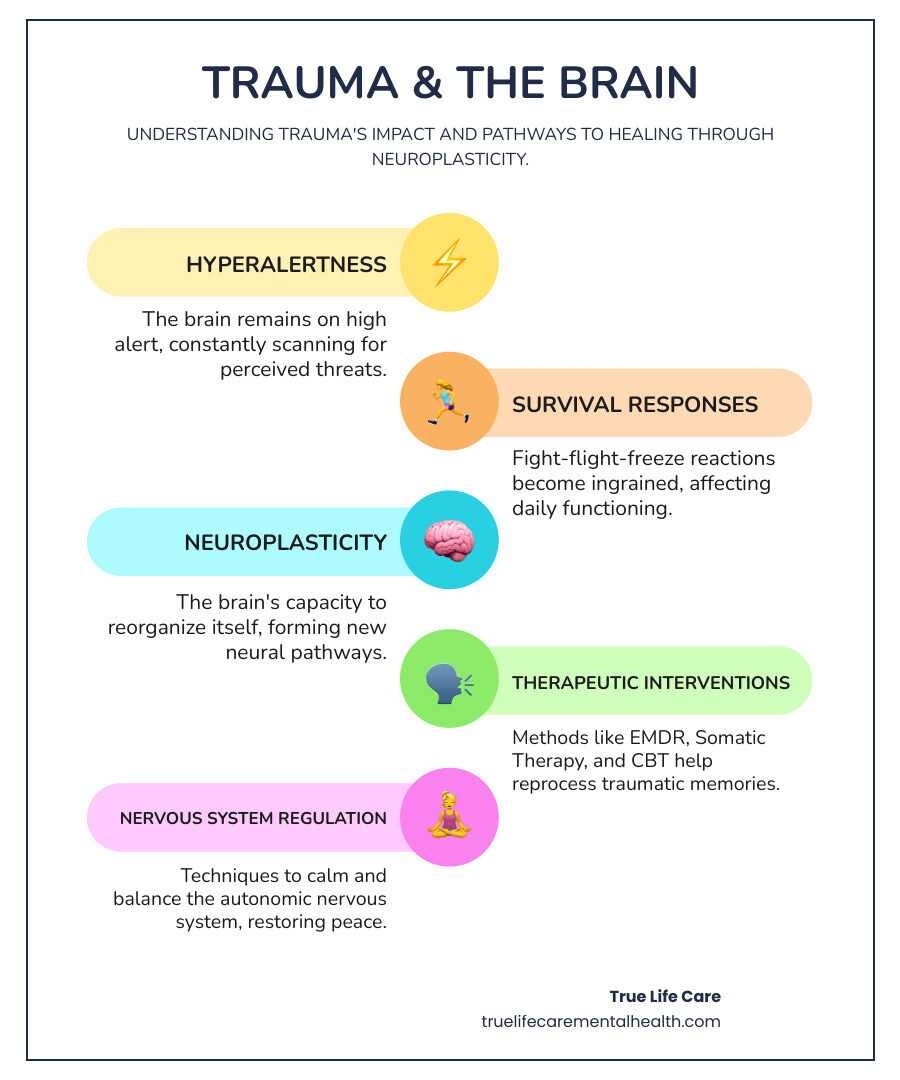
Understanding the Essence of a Trauma Recovery Retreat
Sometimes, healing from life’s toughest challenges requires more than conventional support; it requires a dedicated space to pause and recover. This is the essence of a trauma recovery retreat—a sanctuary for profound emotional healing that offers a more concentrated experience than traditional therapy.

In this immersive setting, free from daily distractions, professional support guides you through deep processing of traumatic experiences. This focused approach can lead to faster progress, with some programs reporting a remarkable 42% decrease in suicidal thoughts among participants. To learn more about the therapeutic approaches used, explore Trauma-Focused Therapy for Adults.
What Defines a Retreat for Trauma?
A trauma recovery retreat is an intensive, structured therapeutic journey, not a vacation. It combines evidence-based treatments with holistic methods to address the mind-body-spirit connection. In a safe and caring space, the goal is to process emotional pain and build a toolkit of coping strategies for long-term self-regulation. By providing an uninterrupted block of time away from daily life, a retreat allows you to dig into entrenched patterns from trauma. This immersion helps you heal from trauma at its root, rather than just managing symptoms, creating a foundation for lasting change.
Who Can Benefit from This Immersive Approach?
A trauma recovery retreat offers profound healing for anyone with unresolved trauma. The intensive, supportive environment is particularly beneficial for:
- Survivors of abuse: Individuals who have experienced emotional, physical, or sexual abuse.
- Grief and loss sufferers: Those navigating profound loss, such as a loved one, relationship, or career.
- Individuals with PTSD: People with Post-Traumatic Stress Disorder, chronic stress, or acute stress disorder. For more on how trauma affects veterans, see More on Veterans and PTSD.
- First responders and helping professionals: Essential personnel who witness traumatic events as part of their work.
- Individuals with relationship difficulties: Those looking to understand how trauma shapes their connections and develop healthier patterns.
- Anyone feeling overwhelmed by past events: If you feel stuck or find daily life debilitating due to past experiences.
While retreats are powerful, they are best for individuals who are stable, not in active crisis, and can function safely in a social setting. Many programs assess readiness to ensure the retreat is the right fit.
Key Benefits vs. Traditional Therapy
It’s helpful to understand how a trauma recovery retreat differs from traditional weekly therapy. Both are valuable, but they offer different paths to healing:
| Feature | Trauma Recovery Retreats | Traditional Therapy (Weekly Sessions) |
|---|---|---|
| Pace & Intensity | Immersive, concentrated, often multiple sessions daily for several days. | Slower pace, typically one 50-minute session per week. |
| Environment | Dedicated, distraction-free, often residential, away from daily stressors. | Integrated into daily life, requiring you to steer external pressures. |
| Focus | Deep emotional healing, processing root causes, lasting change, skill building. | Symptom management, coping strategies, exploring specific issues over time. |
| Modalities | Often a blend of evidence-based and holistic approaches, experiential and group therapies. | Primarily talk therapy, though specialized modalities can be integrated. |
| Community & Support | Strong emphasis on peer support, shared healing journey, reduced isolation. | Primarily individual-based, though group therapy options exist separately. |
| Impact | Aims for deep, transformative change by processing trauma at its core. | Gradual progress, managing symptoms, building insight over an extended period. |
While traditional therapy is excellent for ongoing support, retreats provide a unique opportunity for deep, transformative change in a concentrated timeframe. This intensive climate allows you to process trauma at its core, building resilience and finding lasting freedom from the past.
A Deep Dive into Healing: Therapeutic Approaches and Specialized Programs
Effective trauma recovery blends evidence-based care and holistic modalities guided by expert-led therapy. Personalized treatment plans recognize the mind-body connection, with programs reporting an impressive 85% decrease in burnout among participants. To learn more about comprehensive care, you can explore More on Inpatient PTSD Treatment.
Common Therapeutic Approaches in a trauma recovery retreat
Trauma recovery retreats use a diverse toolkit of therapeutic approaches to provide comprehensive care. Some of the most common therapies include:
- Somatic Therapy: Recognizes trauma is stored in the body. It helps release physical tension and regulate the nervous system through bodily awareness and movement.
- EMDR (Eye Movement Desensitization and Reprocessing): A highly effective therapy that uses bilateral stimulation (like guided eye movements) to help the brain process distressing memories and reduce their emotional charge. Learn more about EMDR Therapy for Trauma Recovery.
- Progressive Counting (PC): A trauma-focused therapy that involves counting while recalling traumatic memories to desensitize the individual to the distressing event.
- Cognitive Behavioral Therapy (CBT): Helps participants identify and change negative thought patterns and behaviors resulting from trauma, providing practical coping strategies. Dialectical Behavior Therapy for PTSD is a related, valuable tool.
- Art Therapy: Provides a non-verbal outlet to express difficult emotions through creative expression. Explore Art Therapy for Trauma.
- Psychodrama: An experiential therapy where participants act out past or future scenarios to gain new perspectives and process emotions in a supportive group setting.
- Group Therapy: Fosters a sense of community and reduces isolation by allowing participants to share experiences with others who have faced similar challenges.
- Experiential Therapy: Includes activities like equine-assisted or adventure therapy, where individuals learn through direct experience, which is effective for trauma that is hard to articulate.
- Mindfulness and Meditation: These practices help cultivate present-moment awareness, reduce stress, and calm the nervous system.
Many retreats also incorporate breathwork, yoga, and psychoeducational lectures to provide a holistic understanding of trauma and equip participants with practical tools for ongoing self-care.
The Experts Guiding Your Journey
The success of a trauma recovery retreat depends on its expert staff. These retreats are guided by multidisciplinary teams of licensed therapists, psychologists, and trauma specialists with certifications in modalities like EMDR and Somatic Experiencing. For example, Ricky Greenwald, PsyD, is a leading expert and developer of the Progressive Counting therapy model. Professionals are chosen for their expertise and their ability to create a safe, culturally competent, and non-judgmental environment. Teams often include certified counselors, yoga instructors, and other holistic practitioners to ensure a comprehensive healing experience based on the latest research in trauma care.
Custom Programs for Specific Needs
Many trauma recovery retreats offer specialized programs to address the unique challenges faced by different populations. This customization ensures a more effective and validating healing journey.
- First Responder Trauma: Retreats for first responders and essential personnel acknowledge the distinct “responder culture” and address issues like PTSD, moral injury, and burnout through targeted psychoeducation and peer support.
- Childhood Sexual Abuse: Some programs focus exclusively on survivors of childhood sexual abuse, providing a safe, empathetic space to process specific traumas and learn about their long-term impacts.
- Veterans Programs: Specialized retreats for veterans address combat or service-related trauma, PTSD, and moral injury, often using peer support and camaraderie as part of the healing process.
- Domestic Violence Survivors: Retreats for survivors of domestic violence and other forms of abuse focus on rebuilding safety, trust, and self-worth while providing tools for empowerment.
By offering these custom programs, retreats create supportive communities where participants feel understood. In New Jersey, various centers offer trauma therapy as part of comprehensive mental health treatment.
The Immersive Experience: What to Expect Day-to-Day
Stepping into a trauma recovery retreat means entering an immersive world designed for your healing. Every moment, from structured therapy to quiet reflection, contributes to your renewal in a judgment-free environment.

You can expect a carefully balanced schedule of intensive therapeutic work, rest, and community building. This thoughtful design helps you process difficult emotions without feeling overwhelmed, all while engaging in activities that nurture your mind, body, and spirit.
A Sample Retreat Schedule
While each trauma recovery retreat has its unique rhythm, a typical day often follows a pattern designed to maximize healing and integration. Here’s what you might expect:
- Morning Meditation/Mindfulness: Beginning the day with practices like meditation or gentle yoga to center the mind and regulate the nervous system.
- Psychoeducational Lectures: Sessions that provide valuable insights into the nature of trauma and the science behind healing.
- Group Therapy Sessions: A cornerstone of many retreats, providing a powerful space for shared healing, connection, and validation.
- Experiential Activities: Hands-on sessions like art therapy, psychodrama, or nature experiences that offer alternative ways to process emotions.
- Nourishing Meals: Communal, healthy meals that offer an opportunity for informal connection.
- Personal Time: Crucial time for journaling, quiet reflection, or rest to help process the day’s work.
- Evening Reflection/Integration: A gentle group activity or guided meditation to close the day and prepare for a restful night.
This blend of intensive therapy, education, and self-care ensures a comprehensive and transformative experience.
The Healing Power of Nature and Community
The environments for trauma recovery retreats are chosen with intention. Nature plays a profound therapeutic role, with serene settings helping to regulate a nervous system often dysregulated by trauma. Connection with the natural world through practices like forest bathing or simple walks provides a non-judgmental space for healing.
Equally vital is the power of community. Trauma thrives in isolation, and connection is a powerful antidote. Retreats create a community of fellow survivors, offering peer support, validation, and the comforting knowledge that you are not alone. This shared journey reduces isolation and empowers individuals to move forward with confidence.
Making the Decision: Is a Retreat Your Path to Healing?
Deciding to attend a trauma recovery retreat is a significant investment in your well-being. It requires self-assessment and professional consultation to ensure it’s the right fit, but the rewards can be substantial. Integrated wellness approaches have been shown to improve life satisfaction and cognitive function for up to 40% of participants.
Determining if a Retreat is Right for You
Choosing a trauma recovery retreat is a deeply personal decision. Here are some key considerations to help you determine if this intensive approach aligns with your current needs:
- Are you feeling overwhelmed by past experiences? If you feel stuck in recurring patterns or chronic stress from trauma, a dedicated healing space might be what you need.
- Are you ready for intensive work? Retreats involve focused, often challenging therapeutic work and require a commitment to the process.
- Are you seeking new coping strategies? A retreat can equip you with practical tools for self-regulation and long-term emotional strength.
- Do you need a supportive environment? A retreat offers a safe, non-judgmental space where you can feel heard and understood by professionals and peers.
- Can you function in a group setting? While privacy is respected, a willingness to engage with others in group therapy and communal activities is beneficial.
- Are you in active crisis or addiction? Most retreats are not crisis intervention programs. If you are at risk of self-harm or require medical detox, seek immediate psychiatric care first.
Consulting with a therapist or the retreat’s admissions team can provide personalized guidance to ensure the program aligns with your goals and readiness.
Costs, Insurance, and Accessibility
The cost of a trauma recovery retreat varies, with some multi-day programs ranging from a few thousand dollars to over $6,900. This typically includes therapy, accommodations, and meals. Unfortunately, most intensive retreats are not covered by health insurance, which can be a significant barrier.
However, accessibility is improving. Some non-profit organizations offer free or subsidized programs through philanthropic support, such as for survivors of childhood sexual abuse or first responders. When exploring options, always inquire about:
- Total cost: What exactly is included?
- Payment plans: Are there flexible payment options?
- Scholarships or financial aid: Are there opportunities for reduced fees?
- Philanthropic support: Is the program free or subsidized?
While the cost can be daunting, it’s helpful to view it as an investment in your long-term health.
Preparing for Your trauma recovery retreat
Once you’ve chosen a trauma recovery retreat, proper preparation can significantly improve your experience. This involves both mental and logistical planning for an intensive period of self-focus.
Mental Preparation:
- Set clear intentions: Know what you hope to gain.
- Manage expectations: Understand that healing is a process.
- Be open to the process: Approach new therapies with an open mind.
- Practice self-compassion: Be kind to yourself throughout the journey.
Logistical Planning:
- Time off work: Arrange for adequate time off, including a buffer before and after.
- Travel arrangements: Plan your travel to minimize stress.
- Childcare/Pet care: Arrange for any necessary care for dependents.
- Inform trusted contacts: Let a supportive person know your plans.
Packing Essentials:
- Comfortable clothing: Prioritize comfort for various activities.
- Journal and pen: Essential for processing thoughts.
- Water bottle: Stay hydrated.
- Any prescribed medications: Bring enough for your entire stay.
- Comfort items: Anything that helps you feel safe and relaxed.
Openly communicating any concerns with the retreat’s admissions team is also helpful, as they are there to support you.
Frequently Asked Questions about Trauma Recovery Retreats
We understand you likely have many questions when considering a trauma recovery retreat. Here, we address some of the most common inquiries to help clarify what these transformative experiences entail.
How long are typical trauma retreats?
The duration of a trauma recovery retreat varies based on the program’s intensity and focus.
- Short Intensives: These are often focused programs lasting 3 to 4 days.
- Week-Long Programs: A common length is 6 to 7 days, allowing for deeper immersion and skill integration.
- Longer-Term Residential Stays: For more complex trauma, some programs can last for several weeks or months, offering more sustained support.
The ideal length depends on your personal needs and readiness for intensive work. Many programs offer various durations to fit different schedules.
Are trauma retreats the same as inpatient rehab?
No, trauma recovery retreats are distinct from inpatient rehab.
- Trauma Recovery Retreats focus on the deep psychological processing of trauma for individuals who are stable and do not require medical supervision. The setting is therapeutic, not medical, and is not designed for active crisis or detoxification.
- Inpatient Rehab, such as Inpatient PTSD rehab centers, provides a higher level of medical and psychiatric care. These facilities are for individuals needing 24/7 clinical oversight, management of severe symptoms, or detoxification from substances.
In short, a retreat is a focused therapeutic experience, while inpatient rehab is a medical rehabilitation program.
What happens after the retreat ends?
The healing journey continues after the trauma recovery retreat ends. Post-retreat support is crucial for integrating what you’ve learned into daily life. High-quality retreats often provide continued care resources, such as:
- Online Courses and Resources: Self-guided materials to continue your learning.
- Support Groups: Online or in-person groups with fellow alumni for peer support.
- Continued Therapy: Working with an individual therapist is highly recommended to build on your progress. True Life Care Mental Health offers outpatient programs in New Jersey that are excellent for follow-up support.
- Follow-up Sessions: Check-in calls with facilitators to guide your integration.
The goal is to apply the tools you learned for self-regulation and resilience, and a good retreat will equip you with the resources to sustain your recovery.
Begin Your Journey to Renewal
The path to healing from trauma can feel long and arduous, but we want you to know that healing is possible. A trauma recovery retreat is a courageous and profound step towards reclaiming your life, finding peace, and embracing a future free from the overwhelming burdens of the past. It’s an opportunity to step away, immerse yourself in expert care, and reconnect with your inner strength.
At True Life Care Mental Health, we are dedicated to empowering individuals on their healing journeys. Our PTSD Treatment Center in New Jersey offers holistic and evidence-based programs designed to provide comprehensive support for trauma recovery. We believe in personalized care that addresses your unique needs, helping you build resilience and foster lasting well-being.
If you’re feeling stuck, exhausted, or simply ready for a transformative change, consider the profound impact a dedicated healing experience can have. Take the first step towards a refreshing escape and lasting well-being by exploring top mental health retreats in NJ that can help you find your freedom and accept a renewed sense of self.