
Medically Reviewed by a Dr. Hossain Licensed Mental Health Professional sychotherapy, particularly trauma-focused modalitiesMedical Director
Traumatic experiences can leave lasting emotional and psychological effects. While many people gradually recover after distressing events, others continue to struggle with symptoms that interfere with work, relationships, sleep, and daily functioning.
If you’ve ever wondered, “Do I have PTSD?” or “Are my symptoms normal after trauma?”, understanding the warning signs is an important first step toward recovery.
This PTSD symptoms checklist explains the most common signs of Post-Traumatic Stress Disorder (PTSD), when symptoms may require professional treatment, available therapies, medication options, and how evidence-based mental health care can help individuals regain stability and improve quality of life.
What Is PTSD?
Post-Traumatic Stress Disorder (PTSD) is a mental health condition that can develop after experiencing or witnessing a traumatic event.
Examples include:
- Serious accidents
- Physical assault
- Sexual abuse
- Domestic violence
- Military combat
- Natural disasters
- Sudden loss of a loved one
- Childhood trauma
- Medical trauma
While feeling distressed after trauma is normal, PTSD occurs when symptoms persist for more than one month and significantly impact daily life.
According to mental health professionals, PTSD is highly treatable when identified early and addressed through evidence-based care. Individuals experiencing persistent trauma symptoms may benefit from a comprehensive evaluation through a specialized PTSD treatment center in New Jersey.
Internal Link:
https://truelifecarementalhealth.com/ptsd-treatment-center-new-jersey/
Why This Topic Matters
PTSD affects millions of Americans each year. However, many people live with symptoms for months or even years before seeking professional help.
Some individuals assume:
- “It’s just stress.”
- “I should be over this by now.”
- “Other people have it worse.”
- “I don’t need treatment.”
Unfortunately, untreated PTSD can affect nearly every area of life, including physical health, relationships, career performance, and emotional well-being.
The earlier PTSD is identified, the better the chances of long-term recovery.
PTSD Symptoms Checklist (Symptoms You Should Know)
Mental health professionals generally categorize PTSD symptoms into four major groups.
1. Re-Experiencing Symptoms
Many individuals feel as though they are reliving the traumatic event.
Common signs include:
✔ Flashbacks
✔ Intrusive memories
✔ Distressing thoughts
✔ Emotional distress when triggered
✔ Physical reactions to reminders
✔ Recurring nightmares
Real-Life Example
A car accident survivor may experience intense anxiety and vivid flashbacks every time they drive through the location where the accident occurred.
Real User Queries
- Why do I keep reliving a traumatic event?
- Why can’t I stop thinking about what happened?
- Are flashbacks a sign of PTSD?
- Why do I keep having nightmares about my trauma?
2. Avoidance Symptoms
People with PTSD often avoid situations, places, or conversations connected to their trauma.
Examples include:
✔ Avoiding certain locations
✔ Refusing to discuss traumatic experiences
✔ Avoiding social situations
✔ Withdrawal from loved ones
✔ Avoiding activities once enjoyed
Real-Life Example
An individual who experienced workplace violence may avoid returning to similar work environments despite needing employment.
Real User Queries
- Why am I avoiding places that remind me of the trauma?
- Why do I shut down when people ask about what happened?
- Is avoiding trauma memories normal?
3. Negative Changes in Thoughts and Mood
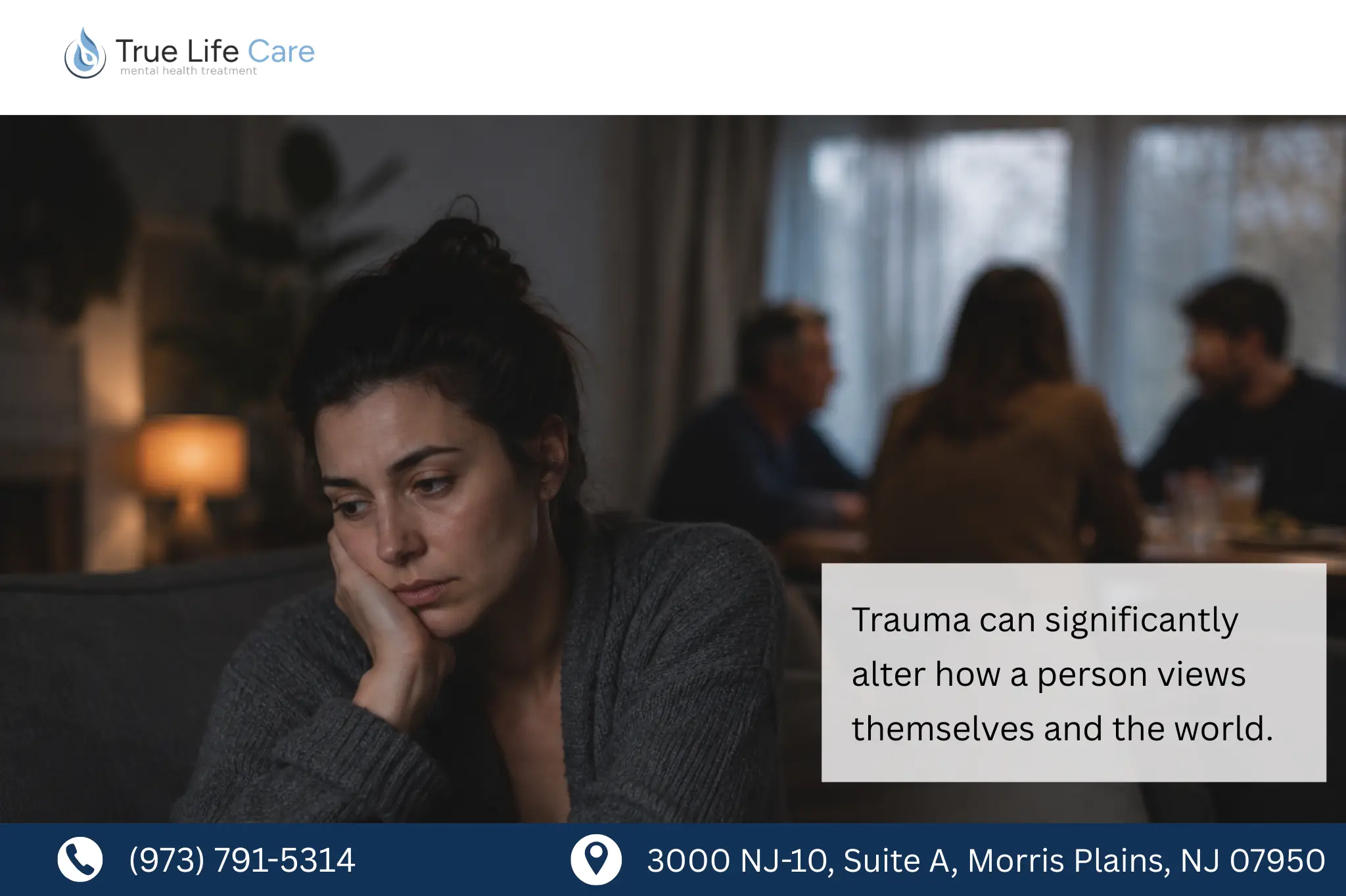
Trauma can significantly alter how a person views themselves and the world.
Symptoms may include:
✔ Emotional numbness
✔ Persistent guilt
✔ Shame
✔ Hopelessness
✔ Loss of interest in activities
✔ Difficulty feeling happiness
✔ Depression symptoms
✔ Feeling detached from others
Warning Sign
Persistent emotional numbness after trauma is one of the most commonly overlooked symptoms requiring professional evaluation.
Real-Life Example
Someone who once enjoyed spending time with family and friends may suddenly feel disconnected and emotionally distant without understanding why.
Real User Queries
- Why do I feel emotionally numb?
- Why don’t I feel like myself anymore?
- Can PTSD cause depression?
- Is emotional detachment a symptom of trauma?
4. Hyperarousal and Reactivity Symptoms
PTSD often keeps the nervous system in a constant state of alertness.
Symptoms include:
✔ Hypervigilance
✔ Being easily startled
✔ Irritability
✔ Anger outbursts
✔ Difficulty concentrating
✔ Sleep disturbances
✔ Panic attacks
✔ Chronic anxiety
Real-Life Example
A trauma survivor may constantly scan public places for danger despite being in safe environments.
Real User Queries
- Why am I always on edge?
- Why do loud noises make me panic?
- Can PTSD cause panic attacks?
- Why can’t I relax after trauma?
PTSD Symptoms Timeline
| Time After Trauma | Common Reactions | Professional Evaluation Recommended? |
|---|---|---|
| First Days | Shock, confusion, fear | Usually No |
| 1–4 Weeks | Anxiety, sleep issues, intrusive thoughts | Monitor Symptoms |
| More Than 1 Month | Persistent symptoms interfering with life | Yes |
| 3–6 Months | Ongoing impairment | Strongly Recommended |
| More Than 1 Year | Chronic PTSD risk increases | Immediate Evaluation |
Individuals whose symptoms continue beyond several weeks often benefit from structured care available through specialized mental health programs.
Internal Link:
https://truelifecarementalhealth.com/mental-health-programs-new-jersey/
PTSD vs Normal Stress After Trauma
| Normal Recovery | Possible PTSD |
|---|---|
| Symptoms improve gradually | Symptoms persist or worsen |
| Able to return to routine | Difficulty functioning |
| Temporary sleep disruption | Chronic nightmares |
| Stress decreases over time | Hypervigilance remains |
| Emotional reactions become manageable | Emotional numbness continues |
One of the strongest indicators of PTSD is that symptoms do not improve naturally over time.
Can PTSD Develop Years Later?
Yes.
Many people believe PTSD appears immediately after trauma, but delayed-onset PTSD is recognized by mental health professionals.
Common Triggers for Delayed PTSD
- Retirement
- Divorce
- Loss of a loved one
- Major life transitions
- New traumatic experiences
- Medical diagnoses
Some individuals may function relatively well for years before symptoms emerge.
Real User Queries
- Can PTSD develop years later?
- Why am I suddenly having trauma symptoms?
- Can childhood trauma affect adults later in life?
- Why am I struggling now when I seemed fine before?
PTSD and Common Co-Occurring Conditions
PTSD rarely occurs alone.
Mental health professionals frequently identify:
| Condition | Common Overlap |
|---|---|
| Anxiety Disorders | Very Common |
| Depression | Very Common |
| Panic Disorder | Common |
| Substance Use Disorders | Common |
| Sleep Disorders | Very Common |
| Chronic Stress | Common |
Addressing these conditions together often leads to better long-term outcomes.
Medications Commonly Used for PTSD
Medication is not appropriate for everyone, but it may help reduce symptoms when combined with therapy.
Common PTSD Medications
| Medication | Purpose |
|---|---|
| Sertraline (Zoloft) | PTSD, anxiety, depression |
| Paroxetine (Paxil) | PTSD symptoms |
| Fluoxetine (Prozac) | Depression and trauma-related symptoms |
| Escitalopram (Lexapro) | Anxiety and mood stabilization |
Important Medical Note
Medication should only be prescribed and monitored by qualified healthcare professionals. Individual treatment plans vary based on symptoms, medical history, and clinical assessment.
Real User Queries
- What is the best medication for PTSD?
- Does Zoloft help PTSD?
- Can PTSD be treated without medication?
- Should I see a psychiatrist for PTSD?
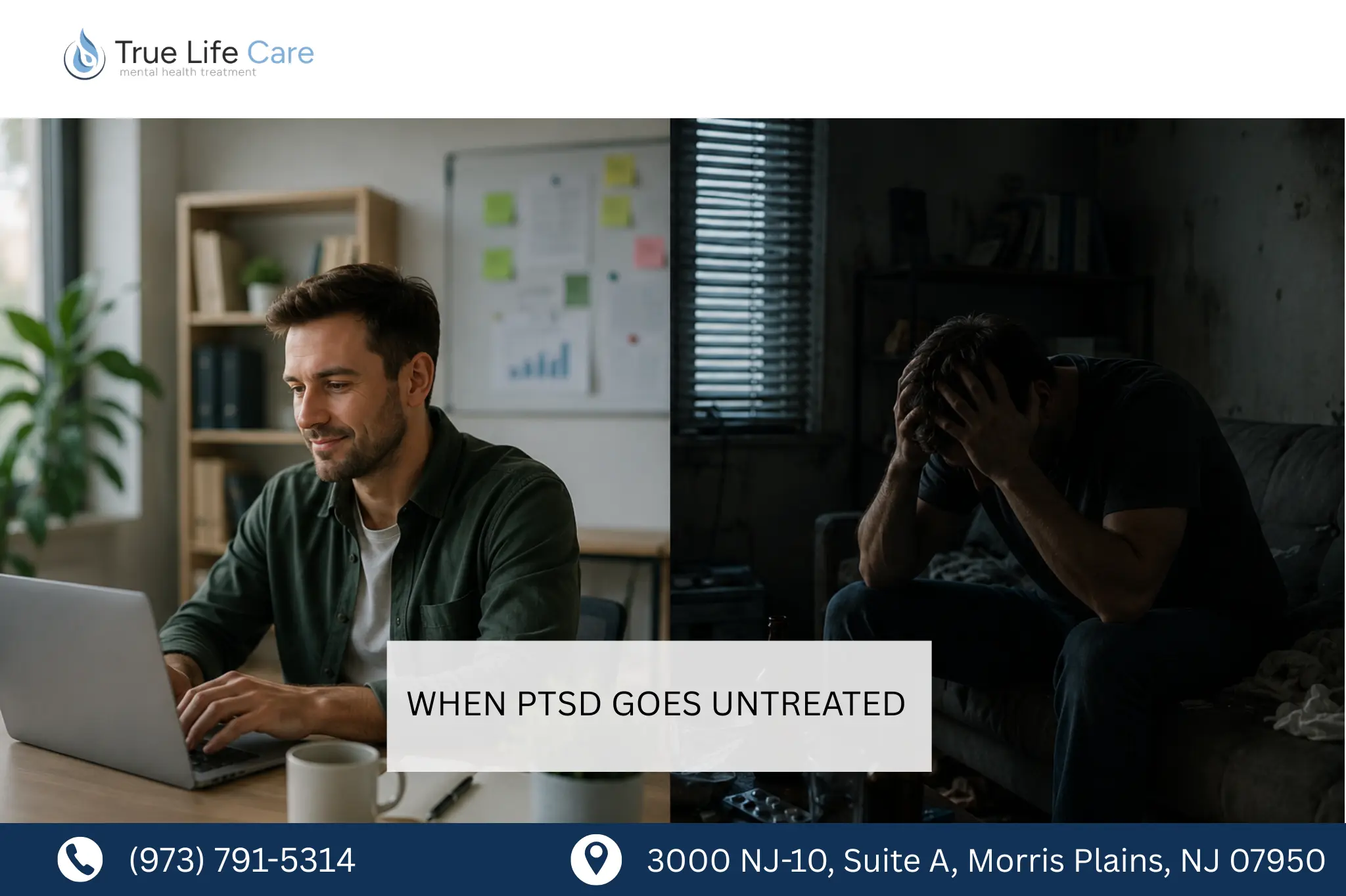
What Happens If PTSD Goes Untreated?
Untreated PTSD may increase the risk of:
- Relationship difficulties
- Work performance issues
- Social isolation
- Depression
- Substance misuse
- Chronic anxiety
- Physical health complications
- Reduced quality of life
The longer symptoms persist, the more deeply they can affect daily functioning.
Risk Comparison Table
| Treated PTSD | Untreated PTSD |
|---|---|
| Better emotional regulation | Increased emotional instability |
| Improved relationships | Relationship strain |
| Better work performance | Occupational difficulties |
| Reduced anxiety symptoms | Worsening anxiety |
| Higher quality of life | Increased impairment |
Effective PTSD Treatment Options
Evidence-based treatment remains the gold standard for PTSD recovery.
Cognitive Behavioral Therapy (CBT)
CBT helps individuals:
- Identify trauma-related thinking patterns
- Challenge negative beliefs
- Develop healthier coping strategies
- Reduce anxiety and avoidance behaviors
For a deeper understanding of cognitive behavioral therapy and how it supports mental health recovery, visit:
Internal Link:
https://truelifecarementalhealth.com/an-honest-review-of-cbt-for-schizophrenia-nj/
Dialectical Behavior Therapy (DBT)
DBT focuses on:
- Emotional regulation
- Distress tolerance
- Mindfulness skills
- Relationship effectiveness
Acceptance and Commitment Therapy (ACT)
ACT helps individuals:
- Develop psychological flexibility
- Reduce avoidance
- Build resilience
- Move toward meaningful life goals despite difficult emotions
Which PTSD Treatment Program Is Right for You?
The appropriate level of care depends on symptom severity, daily functioning, safety concerns, and support systems.
| Program Type | Best For |
|---|---|
| Outpatient Therapy | Mild to Moderate Symptoms |
| Intensive Outpatient Program (IOP) | Moderate Symptoms Affecting Daily Life |
| Partial Hospitalization Program (PHP) | Significant Symptoms Requiring Daily Structure |
| Inpatient Treatment | Severe Symptoms or Crisis Stabilization |
Intensive Outpatient Program (IOP)
Many individuals begin treatment through an Intensive Outpatient Program when PTSD symptoms interfere with work, school, or relationships but do not require 24-hour supervision.
Internal Link:
https://truelifecarementalhealth.com/intensive-outpatient-program-for-mental-health/
Partial Hospitalization Program (PHP)
Individuals needing more structured daily support may benefit from a Partial Hospitalization Program.
Internal Link:
https://truelifecarementalhealth.com/partial-hospitalization-program/
Inpatient Mental Health Treatment
When symptoms become severe or safety concerns arise, inpatient treatment can provide stabilization, psychiatric support, and intensive therapeutic care.
Internal Link:
https://truelifecarementalhealth.com/mental-health-treatments-new-jersey/inpatient-treatment/
When Should You Seek Professional Help?
Consider seeking professional support if:
✔ Symptoms persist longer than one month
✔ Daily functioning is affected
✔ Relationships are suffering
✔ Sleep problems continue
✔ Anxiety feels overwhelming
✔ You experience flashbacks or nightmares
✔ You are avoiding important responsibilities
✔ Symptoms continue to worsen
Early intervention often leads to better treatment outcomes and faster recovery.
Frequently Asked Questions
Can PTSD be cured?
Many individuals experience significant symptom reduction and long-term recovery through evidence-based treatment.
What is the best therapy for PTSD?
The most effective treatment varies by individual. CBT, DBT, ACT, and trauma-informed therapies are commonly recommended.
Can PTSD cause panic attacks?
Yes. Panic attacks frequently occur alongside PTSD and trauma-related anxiety.
Is medication required for PTSD?
Not always. Some individuals benefit from therapy alone, while others benefit from a combination of therapy and medication management.
Does insurance cover PTSD treatment?
Many insurance plans provide coverage for mental health treatment, therapy, and psychiatric services.
To check your benefits, visit:
Take the First Step Toward Recovery
Living with PTSD symptoms can feel overwhelming, but effective treatment is available.
Whether you’re experiencing flashbacks, nightmares, emotional numbness, anxiety, or difficulty functioning after trauma, professional support can help you understand what you’re experiencing and develop a personalized recovery plan.
At True Life Care Mental Health, our team provides evidence-based PTSD treatment, trauma-informed therapy, psychiatric support, medication management, and individualized care designed to help individuals regain stability and improve their quality of life.
Contact True Life Care Mental Health
Call Today: (973) 354-5878
Facility Information:
https://truelifecarementalhealth.com/our-facilities/
Verify Insurance:
https://truelifecarementalhealth.com/verify-insurance/
PTSD Treatment Program:
https://truelifecarementalhealth.com/ptsd-treatment-center-new-jersey/
If trauma-related symptoms are affecting your daily life, reaching out for help today may be the first step toward lasting recovery.