
Do you find yourself lying awake at night, replaying conversations, worrying about the future, or thinking through worst case scenarios? Overthinking and sleepless nights often go hand in hand. When your mind refuses to slow down, restful sleep can feel impossible. Over time, this pattern can affect your mood, focus, productivity, and overall health.
If this sounds familiar, you are not alone. Many people in Matawan and surrounding communities struggle with anxiety that disrupts their ability to relax and recharge. The good news is that effective anxiety treatment options in Matawan, NJ are available to help you regain balance and finally get the rest you deserve.
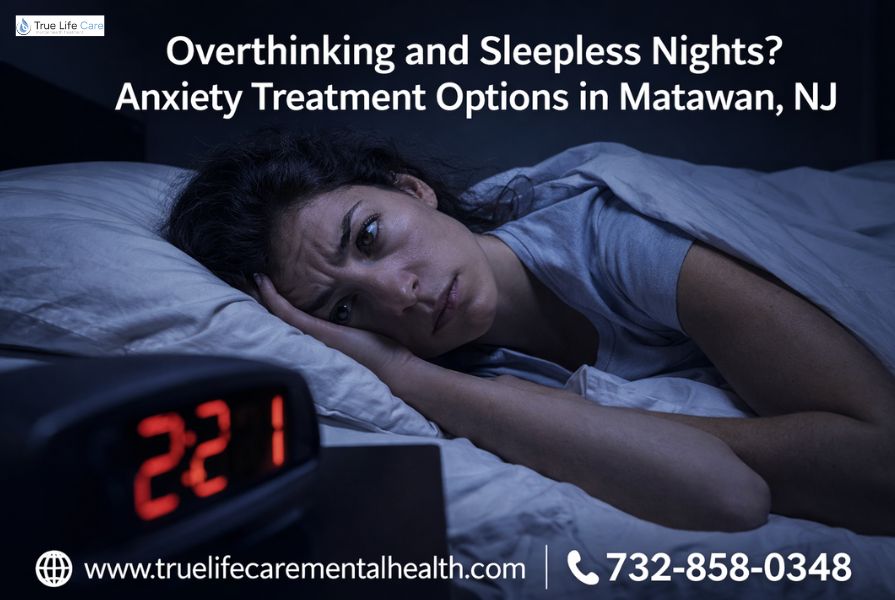
Why Anxiety and Sleep Problems Are So Connected
Anxiety activates your body’s stress response. Your heart may race, your breathing may become shallow, and your muscles may tense up. This response is helpful in dangerous situations, but it becomes a problem when it stays active long after the stressor has passed.
At night, when distractions fade and the environment becomes quiet, anxious thoughts often grow louder. You may start questioning your decisions, worrying about responsibilities, or imagining negative outcomes. The more you try to force yourself to sleep, the more frustrated you may feel.
Lack of sleep then increases irritability and emotional sensitivity the next day. This can make anxiety worse, creating a frustrating cycle of overthinking and exhaustion.
Signs Your Overthinking May Be Linked to Anxiety
Occasional worry is normal. However, ongoing overthinking combined with sleep disruption may signal an anxiety disorder. Common signs include:
- Difficulty falling or staying asleep
- Racing thoughts that feel hard to control
- Persistent worry about work, health, relationships, or finances
- Muscle tension and restlessness
- Trouble concentrating during the day
- Feeling on edge even without a clear reason
If these symptoms are affecting your daily life, professional anxiety treatment in Matawan, NJ can provide structured support.

Therapy for Anxiety and Overthinking
One of the most effective ways to address anxiety and sleep problems is through therapy. Licensed mental health professionals help you understand the patterns that keep your mind in constant motion.
Cognitive behavioral therapy is often used to treat anxiety and insomnia. This approach focuses on identifying negative thought patterns and replacing them with more balanced perspectives. For example, instead of assuming the worst case scenario, you learn to evaluate situations more realistically.
Therapy also helps you develop healthier nighttime routines. Small changes such as setting boundaries around screen time, creating a consistent sleep schedule, and practicing relaxation exercises can significantly improve sleep quality.
As you gain control over your thoughts, bedtime becomes less stressful and more restful.
Learning Practical Relaxation Techniques
Anxiety treatment centers in Matawan often teach practical techniques to calm the nervous system. These methods are simple but powerful when practiced regularly.
Deep breathing exercises slow the heart rate and signal the body that it is safe to relax. Progressive muscle relaxation reduces physical tension. Mindfulness exercises help you focus on the present moment rather than worrying about what might happen tomorrow.
When these techniques become part of your daily routine, they reduce the intensity of anxious thoughts at night. Instead of fighting your mind, you learn how to gently guide it toward calmness.
Medication Management When Needed
For some individuals, anxiety symptoms are severe enough to require medication support. Psychiatric evaluations can determine whether medication may be appropriate for your situation.
When prescribed carefully and monitored regularly, medication can reduce excessive worry and improve sleep. It is often used alongside therapy rather than as a standalone solution. The goal is to stabilize symptoms so you can fully engage in therapeutic work and daily activities.
Professional oversight ensures that treatment remains safe and effective.
Find Calm Again – Anxiety Help Matawan NJ
Struggling with overthinking, anxiety, or sleepless nights? Compassionate anxiety help in Matawan, NJ offers personalized treatment plans in a safe and supportive environment. Our licensed professionals work closely with you to restore calm and balance. Most major insurance plans are accepted for accessible, affordable care.
Get Started NowAddressing Underlying Stressors
Overthinking rarely appears without a reason. It may be connected to work pressure, family conflict, past trauma, or major life transitions. Anxiety treatment in Matawan, NJ goes beyond surface level symptom relief by addressing these deeper stressors.
In therapy, you can explore unresolved experiences and learn healthier ways to respond to stress. This process reduces the emotional weight that keeps your mind active at night.
When root causes are acknowledged and processed, sleep often improves naturally.
Outpatient Programs That Fit Your Life
Many individuals hesitate to seek help because they worry about disrupting their responsibilities. Outpatient anxiety treatment allows you to receive professional care while continuing to work, attend school, or care for your family.
Programs may include weekly individual therapy sessions, group therapy, or more structured options such as intensive outpatient programs. These services provide consistent support without requiring a residential stay.
Having regular appointments creates accountability and reinforces the coping skills you are learning.
Breaking the Cycle of Exhaustion
Sleep deprivation affects nearly every aspect of mental health. When you are exhausted, it becomes harder to regulate emotions and manage stress. This can increase overthinking, making it even more difficult to fall asleep the next night.
By addressing anxiety directly, you break this cycle. Improved sleep leads to clearer thinking, better mood stability, and increased energy. As your body and mind recover, daily challenges feel less overwhelming.
Regaining healthy sleep patterns is often one of the first noticeable improvements during anxiety treatment.
You Do Not Have to Struggle Alone
Overthinking can make you feel isolated, as if you are the only one whose mind will not quiet down. In reality, anxiety disorders are common and highly treatable. Reaching out for help is a practical step toward better health.
With the right combination of therapy, coping strategies, and medical support when necessary, you can regain control over your thoughts and finally experience restful nights again.
Conclusion
If overthinking and sleepless nights are taking a toll on your well being, it may be time to explore anxiety treatment options in Matawan, NJ. Professional care can help you understand your triggers, calm your nervous system, and build healthy sleep habits that support long term stability.
At True Life Care Mental Health New Jersey, we offer compassionate outpatient anxiety treatment designed to meet your individual needs. Our team is dedicated to helping you reduce worry, improve sleep, and regain control in your daily life. Contact us today to schedule a consultation and take the first step toward calmer days and more restful nights.
Frequently Asked Questions
1. Can anxiety really cause insomnia?
Yes. Anxiety keeps the nervous system activated, making it difficult to relax and fall asleep. Treating anxiety often improves sleep quality.
2. How long does it take for anxiety treatment to improve sleep?
Many individuals notice gradual improvements within a few weeks of consistent therapy and lifestyle changes, though results vary.
3. Do I need medication to stop overthinking?
Not necessarily. Many people benefit from therapy and coping skills alone. A psychiatric evaluation can help determine if medication may be helpful in your case.
4. What if my anxiety is related to work stress?
Therapy can help you develop practical strategies to manage work related pressure and set healthy boundaries.
5. Is outpatient anxiety treatment effective?
Yes. Outpatient programs provide structured support and practical tools while allowing you to continue your normal routine.