
Depression Treatment in Burlington County New Jersey: What You Need to Know
Depression treatment in Burlington County New Jersey is available through a range of programs — from weekly outpatient therapy to intensive inpatient care — serving children, teens, adults, and seniors across the county.
Quick answer: Top depression treatment options in Burlington County, NJ:
- Outpatient therapy – Weekly individual or group sessions for mild to moderate depression
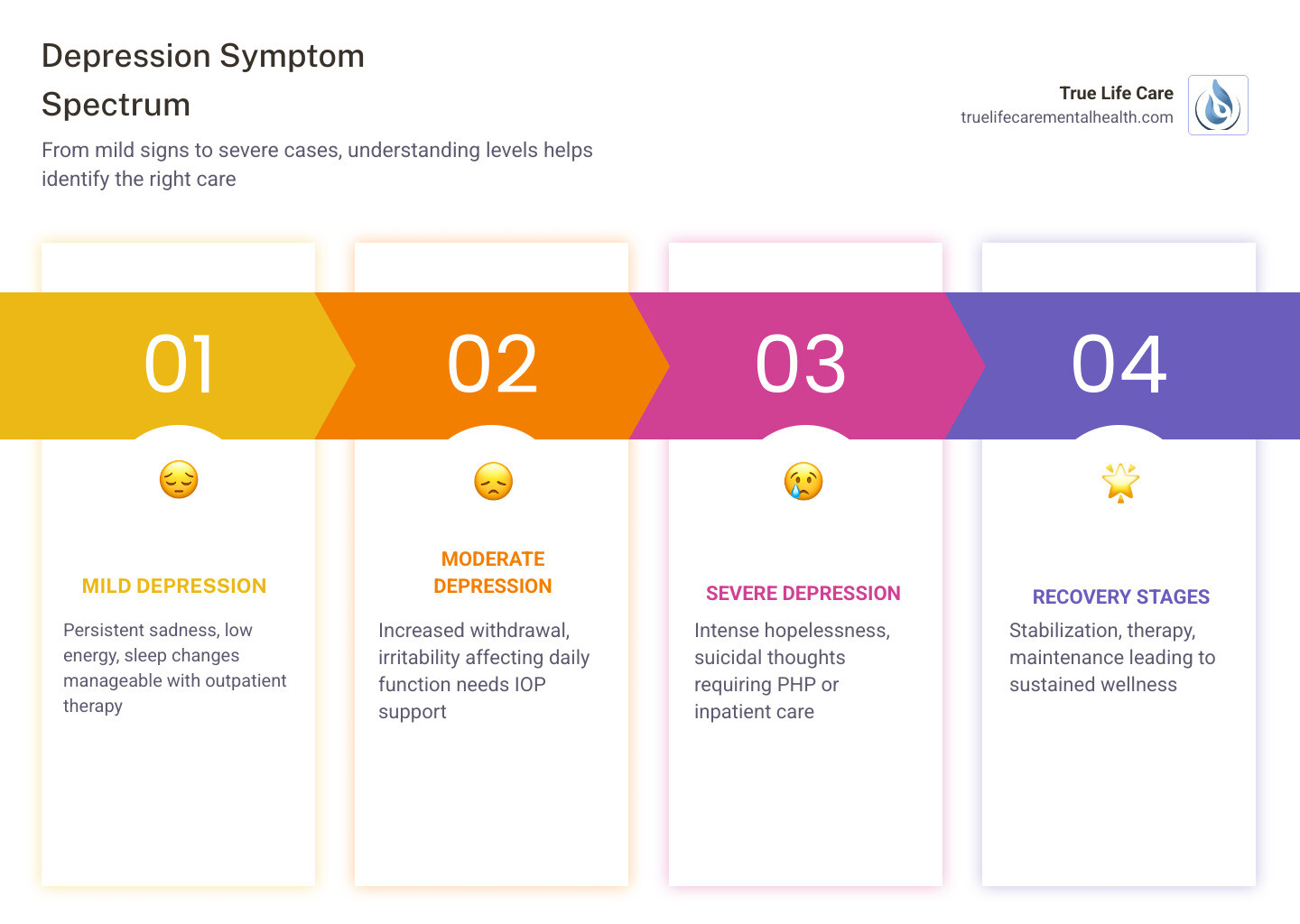
- Intensive Outpatient Programs (IOP) – 3 days/week, 9-15 hours of structured care
- Partial Hospitalization Programs (PHP) – 5 days/week, 25-30 hours for more severe symptoms
- Inpatient stabilization – 24/7 care at local specialized facilities for acute crisis management
- Telehealth – Remote therapy and medication management for added flexibility
- Crisis support – Call or text 988 anytime, or contact SCIP mobile outreach at (609) 835-6180
Depression is one of the most common — and most treatable — mental health conditions. Yet for many Burlington County residents, knowing where to start is the hardest part.
Burlington County is home to over 460,000 people. That’s a lot of families, students, working adults, and seniors who may be quietly struggling. Depression doesn’t look the same in everyone. It can show up as sadness, yes — but also as exhaustion, irritability, withdrawal, or a sense that nothing matters anymore.
The good news: effective, accessible help exists right here in Burlington County.
This guide walks you through the best local options — what’s available, who it’s for, and how to get started.
Depression Treatment in Burlington County New Jersey terms to learn:
- Depression Treatment in Hunterdon County NJ
- Depression Treatment in Somerset County NJ
- Major Depressive Disorder Treatment in New Jersey
Recognizing Symptoms Across Different Age Groups

Depression is a bit of a shapeshifter. It doesn’t always look like a person crying in a dark room. Depending on your age and life stage, the signs can vary significantly. In Burlington County, where the population is diverse, understanding these nuances is the first step toward finding the right Depression Treatment in Burlington County New Jersey.
Adult Depression Signs
For adults, depression often manifests as a heavy, persistent “fog.” You might find that things you used to love—like walking through Smithville Park or grabbing coffee in Marlton—just don’t spark joy anymore. Common symptoms include:
- Persistent feelings of emptiness or hopelessness.
- Physical aches and pains that don’t have a clear cause.
- Significant changes in sleep (sleeping too much or not at all).
- Difficulty concentrating at work or making simple decisions.
Adolescent Behavioral Changes
In teenagers, depression often looks more like “acting out” or irritability rather than sadness. Parents in Westampton and Mount Holly might notice their teens becoming unusually hostile, failing classes, or withdrawing from friends. Because adolescents are still developing, their depression can be tied to intense social pressures and hormonal shifts.
Childhood Emotional Withdrawal
It can be heartbreaking to see a child struggle. For children ages 8–13, depression may show up as “stomachaches” or “headaches” to avoid school. You might notice a child who was once social becoming clingy, or conversely, someone who stops playing with their favorite toys. Early intervention is key, and specialized Depression in Young Adults Treatment can help bridge the gap for those transitioning into their teens.
Perinatal Mood Indicators
The period during and after pregnancy is a time of massive change. Perinatal depression goes beyond the “baby blues.” It can involve intense anxiety, trouble bonding with the baby, or scary, intrusive thoughts. If you are a new parent in Burlington County, please know that these symptoms are medical, not a reflection of your ability to parent.
Senior Isolation Symptoms
In our older population, depression is frequently overlooked because it’s mistaken for “just getting older.” Seniors may experience memory problems, loss of appetite, or social withdrawal. Addressing senior isolation is a major focus for local county resources, ensuring our elders remain connected and supported.
When Standard Care Isn’t Enough
Sometimes, even after trying several therapies, the cloud doesn’t lift. This is often referred to as Treatment-Resistant Depression. Identifying the Signs of Treatment-Resistant Depression—such as symptoms that don’t improve with at least two different antidepressant trials—is vital for moving toward more intensive or innovative care options.
To better understand the various forms this condition can take, we recommend Exploring the Spectrum: Understanding Different Types of Depression.
Comprehensive Depression Treatment in Burlington County New Jersey
Finding the right level of care is like finding the right pair of shoes—it has to fit your specific needs. Burlington County offers a robust continuum of care, ensuring no one falls through the cracks.
Outpatient Therapy
Outpatient care is often the first “port of call.” It involves visiting a therapist or counselor once or twice a week. This is ideal for those with mild to moderate symptoms who can still manage their daily responsibilities. You can learn more about how this works in our guide on Depression Recovery: The Role of Outpatient Treatment Programs.
Intensive Outpatient Programs (IOP)
If weekly therapy isn’t quite enough, an IOP provides a “step up.” Typically involving 9 to 15 hours of therapy per week, these programs allow you to receive intensive support while still living at home and maintaining a job or school schedule. How Can an Intensive Outpatient Program for Depression Help You Heal? It provides a structured environment to practice coping skills in real-time.
Partial Hospitalization Programs (PHP)
For those who need the highest level of outpatient support, a PHP offers a full-day clinical schedule, usually 5 days a week. It’s a powerful alternative to inpatient care, providing 25 to 30 hours of treatment weekly. Discover How Can a Partial Hospitalization Program for Depression Help You Heal by offering a comprehensive, multidisciplinary approach to stabilization.
Inpatient Stabilization
In cases where safety is a concern or symptoms are acute, inpatient care provides 24/7 medical supervision. Local specialized facilities offer short-term stabilization, helping individuals move from a state of crisis to a place where they can begin long-term recovery.
Telehealth Accessibility
We know that transportation or busy schedules can sometimes be a barrier to care. Many providers in the area now offer telehealth services, allowing you to connect with expert psychiatrists and therapists from the comfort of your home. For a full list of local options, check out Mental Health Programs New Jersey / Burlington NJ.
Evidence-Based Therapies for Depression Treatment in Burlington County New Jersey
What actually happens during these sessions? Most reputable centers in Burlington County utilize evidence-based models, which are therapies proven by research to work.
- Cognitive Behavioral Therapy (CBT): This helps you identify and change the negative thought patterns that fuel depression. It’s practical and goal-oriented.
- Dialectical Behavior Therapy (DBT): Originally developed for complex mood disorders, DBT focuses on mindfulness, emotional regulation, and distress tolerance.
- Medication Management: For many, medication is a vital tool. Local psychiatrists work with patients to find the right balance, often combining medication with therapy for the best results.
- Trauma-Informed Care: Many people with depression have a history of trauma. Our approach ensures that treatment is compassionate and avoids re-traumatization.
- Group and Family Therapy: Depression can be isolating. Group sessions provide peer support, while family therapy helps heal the relationships that may have been strained by the illness.
For a deeper dive into these methods, see the Depression Treatment New Jersey Guide.
Specialized Programs for Unique Populations
We believe that treatment should be as unique as the person receiving it. Specialized programs in Burlington County cater to specific groups:
- Perinatal Programs: Dedicated support for expectant and new mothers.
- Children and Adolescents: Programs like the NJ4S Burlington County initiative provide tiered support directly to school communities.
- Seniors: Focused psychiatric care that addresses the physical and emotional complexities of aging.
- Dual Diagnosis: Many individuals struggle with both depression and substance use. In fact, research shows a strong link between mental health struggles and the rising numbers of substance use incidents during the pandemic. Facilities in the county provide integrated care to treat both simultaneously.
Navigating Local Resources and Crisis Support
When you’re in the middle of a mental health crisis, you don’t have time to browse a directory. You need to know exactly who to call.
Immediate Crisis Resources
- 988 Suicide & Crisis Lifeline: Call or text 988 anytime. This nationwide 3-digit code connects you to trained counselors who can help in an emergency.
- SCIP (Screening and Crisis Intervention Program): This is Burlington County’s local 24-hour mobile psychiatric crisis service. They can be reached at (609) 835-6180. They provide mobile outreach to help stabilize individuals in their own environment whenever possible.
- Veterans Crisis Line: Dial 988 and press 1 for specialized support for veterans.
County and Community Support
The Burlington County Behavioral Health Division plays a vital role in coordinating services. From the Recovery Resource Centers in Westampton and Burlington City to the Riverbank Self-Help Center, there are numerous community-led initiatives designed to reduce stigma and provide peer support.
For a comprehensive list of contacts, you can download the Burlington County Mental Health Resources PDF provided by the county government.
Accessing Depression Treatment in Burlington County New Jersey
The county is vast—it’s the largest in NJ by land area! Fortunately, services are spread across several key hubs:
- Westampton/Mount Holly: This area serves as a central hub for many county-funded and private facilities.
- Marlton and Cherry Hill: These locations offer numerous outpatient clinics and specialized private practices.
If you are feeling overwhelmed by the choices, follow these 3 Simple Steps to Find Depression Treatment Options Morris County NJ (the process is the same for Burlington!). You can also browse Depression Treatment Centers in Burlington County, NJ to see therapist profiles and specialties.
Frequently Asked Questions about Depression Care
What insurance options are available for depression treatment in Burlington County?
Most major providers in Burlington County accept a wide range of insurance plans. This includes:
- Private Insurance: Aetna, Blue Cross Blue Shield, Cigna, and UnitedHealthcare are commonly accepted.
- Public Options: Many facilities accept Medicaid and Medicare.
- Financial Assistance: Some community-based organizations offer sliding scale fees based on income or payment assistance programs for those who are uninsured.
How do I know if I need an Intensive Outpatient Program (IOP) or a Partial Hospitalization Program (PHP)?
The choice usually depends on your level of daily functioning. If you can’t keep yourself safe or find it impossible to perform basic tasks (like showering or eating), a PHP or inpatient stay is likely needed. If you are struggling but can still manage some daily tasks, an IOP might be the right fit. A professional clinical assessment is the best way to decide. For more guidance, read Should I Go to Rehab for Depression.
Are there immediate crisis resources for residents in Burlington County?
Yes. Beyond the 988 Lifeline, the SCIP mobile outreach (609-835-6180) is available 24/7. For those struggling specifically with addiction alongside depression, the NJ Addiction Services Hotline is also a valuable resource.
Conclusion
At True Life Care Mental Health, we understand that depression isn’t just a diagnosis—it’s a deeply personal experience that affects every part of your life. Our mission is to provide personalized, evidence-based care that looks at the whole person, not just the symptoms.
Whether you are looking for a PHP to stabilize after a difficult period or an IOP to help you maintain your progress, we are here to help. We believe in a holistic recovery approach that empowers you to move from surviving to thriving.
If you or a loved one is searching for Depression Treatment New Jersey, don’t wait for things to get worse. Burlington County has the resources, the professionals, and the community support you need to start your journey toward well-being today.
Take the first step. Reach out for an assessment and let us help you find the path back to yourself.