
Depression Treatment Passaic County New Jersey: Top 10 Best
Why Finding the Right Depression Treatment in Passaic County Matters
Depression Treatment Passaic County New Jersey offers a range of evidence-based options to help you or a loved one recover. If you’re feeling overwhelmed by sadness, losing interest in activities you once loved, or struggling to find joy, you’re not alone—and help is available right here in your community.
Quick Overview of Depression Treatment Options in Passaic County:
- Outpatient Counseling – Individual, couples, group, and family therapy available through local providers.
- Intensive Outpatient Programs (IOP) – 9-15 hours per week for more structured support.
- Partial Hospitalization Programs (PHP) – 25-30 hours per week for intensive care without overnight stays.
- Medication Management – Psychiatric evaluations and prescriptions from licensed psychiatrists.
- Crisis Services – The 988 Suicide & Crisis Lifeline is available 24/7 for immediate help.
- Support Groups – Free weekly groups are available through organizations like the Depression and Bipolar Support Alliance (DBSA).
- Multilingual Services – Many providers offer services in multiple languages, including English and Spanish.
Depression is more than just feeling sad. It’s a leading cause of disability worldwide, affecting an estimated 21 million adults in the United States. You can learn more about how depression is defined and diagnosed on the Major Depressive Disorder page from Wikipedia.
The good news is that research shows 80-90% of people with depression can be effectively treated with therapy, medication, or a combination of both.
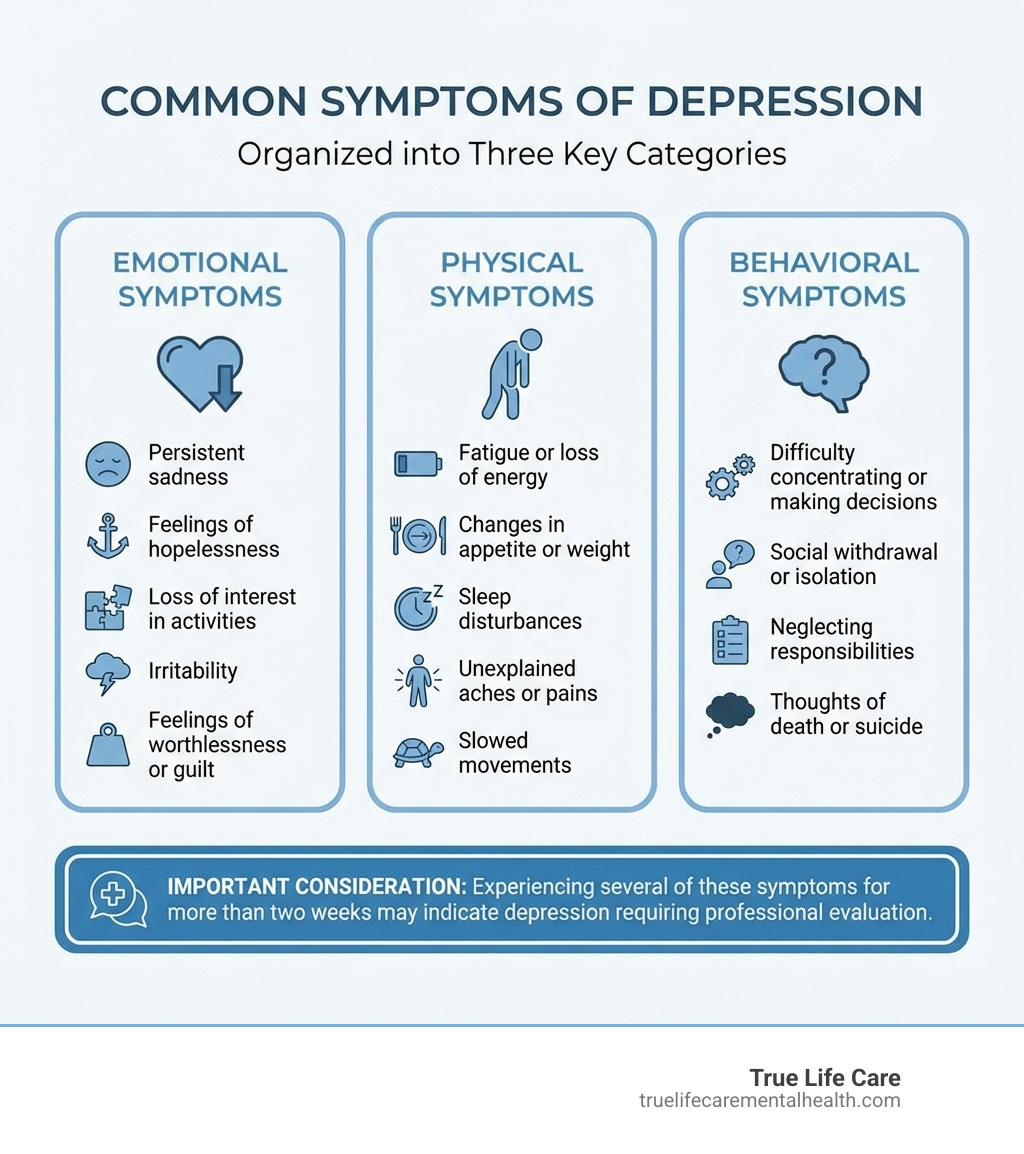
Passaic County has a strong network of mental health providers dedicated to helping residents recover. Recognizing the symptoms is the first step. Whether you’re experiencing persistent sadness, changes in sleep or appetite, or feelings of worthlessness, professional help can make a real difference. Many local providers accept Medicaid, offer sliding scale fees, and provide both in-person and telehealth services.
You don’t have to manage depression alone. Seeking help is a sign of strength. With the right treatment plan, recovery is possible.
Depression Treatment Passaic County New Jersey helpful reading:
- Depression Treatment Options Morris County New Jersey
- Mental Health Treatment Morris County New Jersey
- mental health services in Monmouth county new jersey
Understanding Evidence-Based Therapies for Depression
When we talk about Depression Treatment Passaic County New Jersey, psychotherapy, or “talk therapy,” is a cornerstone of effective treatment. It provides a safe space to explore thoughts, feelings, and behaviors with a trained professional. Finding the right therapist is crucial for a successful outcome.
Several types of therapy have proven highly effective in treating depression:
- Cognitive Behavioral Therapy (CBT): This approach helps you identify and change negative thought patterns and behaviors. CBT focuses on practical strategies to improve your mood and is effective for 50-75% of individuals. For more on this powerful treatment, explore our guide on Cognitive Behavioral Therapy NJ.
- Dialectical Behavior Therapy (DBT): DBT is beneficial for depression, especially when combined with intense emotions. It teaches skills in mindfulness, distress tolerance, emotion regulation, and interpersonal effectiveness. Learn more about Dialectical Behavior Therapy (DBT) in NJ.
- Psychodynamic Therapy: This therapy explores past experiences and unconscious patterns to understand how they influence current feelings and behaviors related to depression.
- Interpersonal Therapy (IPT): IPT focuses on improving interpersonal relationships and communication skills, as relationship difficulties can significantly contribute to depression.
- Family Therapy: Depression impacts the entire family. Family Therapy can help family members understand the condition, improve communication, and develop supportive strategies. Many local providers offer family therapy as part of their services.
- Art Therapy: For some, expressing emotions through creative outlets can be incredibly therapeutic. Art Therapy for Mental Health provides a non-verbal way to process difficult feelings.
Many providers in Passaic County offer individual, couples, group, and family therapy for adults, teenagers, and children. These services are often available in multiple languages to serve a diverse community.
The Role of Medication in Treatment
For many, medication plays a vital role in recovery. Antidepressants work by balancing neurotransmitters in the brain that regulate mood. While not a “cure-all,” medication can alleviate severe symptoms, making it easier to engage in therapy.
Medication management is handled by psychiatrists. Our guide, Should You Go to a Psychiatrist?, can help clarify this decision. A psychiatrist conducts a thorough evaluation, diagnoses the condition, and prescribes appropriate medication. They also monitor for side effects and adjust dosages as needed. Many practices in Passaic County offer medication management and psychiatric evaluations.
Research suggests that a combination of therapy and medication is often the most effective approach for moderate to severe depression. This integrated approach addresses both the biological and psychological aspects of the illness. For an in-depth look, check out our Do Antidepressants Work? Comprehensive Review. Advancements like genetic testing can also help guide psychiatrists in selecting the most suitable medications.
Holistic and Integrative Approaches
At True Life Care Mental Health, we believe in a holistic approach to wellness. This philosophy is increasingly reflected in Depression Treatment Passaic County New Jersey. Beyond traditional methods, integrating holistic practices can significantly improve recovery.
Holistic treatment considers the whole person, not just their symptoms. This can include:
- Mindfulness and Meditation: Practices that help reduce stress and cultivate calm. Our guide on Integrating Mindfulness into Mental Health Treatment offers valuable insights.
- Yoga and Physical Exercise: Regular physical activity is a powerful antidepressant.
- Nutrition: A balanced diet plays a crucial role in brain health and mood. Some programs incorporate nutritional counseling.
- Sleep Hygiene: Restorative sleep is fundamental for mental well-being.
Embracing these integrative approaches, as highlighted in our article Holistic Mental Health Treatment: A Comprehensive Approach to Wellness, can empower you to take an active role in your healing.
Levels of Care for Depression Treatment in Passaic County New Jersey
Finding the right level of care for Depression Treatment Passaic County New Jersey is essential for effective recovery. The intensity of treatment should be matched to your specific needs and the severity of your symptoms, ensuring you receive the most appropriate and least restrictive care possible.

Here’s a breakdown of the common levels of care available in and around Passaic County:
- Outpatient Therapy: This is the most common level of care, involving regular sessions with a therapist or psychiatrist, typically once or twice a week. It’s suitable for individuals with mild to moderate depression who can maintain their daily routines. Many local providers offer comprehensive outpatient counseling. For more information, see Depression Recovery: The Role of Outpatient Treatment Programs.
- Intensive Outpatient Programs (IOP): IOPs provide more structure than traditional therapy, typically involving 9 to 15 hours of treatment over 3 days per week while you live at home. IOPs are ideal for those who need more support than weekly therapy but do not require 24/7 supervision.
- Partial Hospitalization Programs (PHP): PHPs offer the most intensive level of outpatient care, with 25-30 hours of treatment over 5 days per week. PHPs serve as a step down from inpatient hospitalization or an alternative for those needing significant support without an overnight stay. Our guide, Partial Hospitalization Program vs IOP: Which One is Right for You?, can help you decide.
All these levels of care can be conducted both in-person and through telehealth, offering flexibility and accessibility across Passaic County.
Comparing Outpatient, IOP, and PHP
Understanding the differences between these levels of care is crucial. We aim to provide personalized care that matches your unique needs.
| Level of Care | Hours Per Week | Days Per Week | Ideal Candidate | Key Features |
|---|---|---|---|---|
| Outpatient Therapy | 1-3 hours | 1-2 days | Individuals with mild to moderate symptoms, stable living situation, ability to manage daily responsibilities. | Individual, couples, or family therapy; medication management; flexible scheduling; focus on coping skills and symptom management. |
| IOP (Intensive Outpatient Program) | 9-15 hours | 3 days | Individuals needing more structure than weekly therapy, struggling with daily functioning, or transitioning from higher levels of care. | Comprehensive treatment without disrupting daily life; individual and group therapy; skill-building (e.g., emotion regulation); medication management; family involvement. Find the benefits in our article: Discover the Benefits of Intensive Outpatient Program (Mental Health NJ) Treatment. |
| PHP (Partial Hospitalization Program) | 25-30 hours | 5 days | Individuals with severe symptoms who need a high level of support and structure but do not require 24/7 inpatient care. | Highly structured daily schedule; intensive individual and group therapy; psychiatric oversight and medication management; crisis intervention; life skills training; a focus on stabilizing acute symptoms. |
Both IOP and PHP programs emphasize individualized assessments, individual and group therapy, medication management, and family sessions, ensuring a comprehensive approach to recovery.
Age-Specific Programs for Depression Treatment in Passaic County New Jersey
Depression can affect anyone, and different age groups have unique needs. Many providers in Passaic County offer custom programs for depression treatment.
- Children’s Services: Treatment for children often involves play therapy and family therapy to address depression in a developmentally appropriate way.
- Adolescent Programs: Programs for teens often combine individual therapy, group therapy with peers, and family counseling. Some programs also coordinate with schools to ensure educational needs are met. If you’re concerned about a teen, many principles are outlined in How to Help Your Teen with Anxiety.
- Adult Services: A wide range of services is available for adults, including individual and group therapy, medication management, and higher levels of care like IOPs and PHPs. For a broader view, refer to our guide on Top Adult Mental Health Services in New Jersey.
- Maternal and Family Services: Specialized programs are available to address the mental health needs of prenatal, pregnant, and postpartum women and families, which is crucial given the prevalence of postpartum depression.
- Geriatric Mental Health: Many adult mental health services can be adapted to meet the needs of older adults, who may face unique challenges like grief, isolation, or co-occurring medical conditions.
How to Find and Afford Treatment in Passaic County
Taking the step to seek Depression Treatment Passaic County New Jersey is commendable. Navigating the mental health landscape can feel overwhelming, but resources are available to help you connect with qualified professionals.

Finding a Qualified Professional
When looking for a mental health professional, it’s important to ensure they are licensed and experienced in treating depression. Here are some effective strategies:
- Online Directories: Reputable online directories allow you to search for therapists and psychiatrists by location, specialty, and insurance.
- Ask for Referrals: Your primary care physician can be a valuable source of referrals.
- Check Credentials: Always verify that a therapist or psychiatrist is licensed by the state of New Jersey.
- Consider Telehealth: Many providers in Passaic County offer telehealth services via video and phone, increasing accessibility and convenience.
- Interview Potential Providers: Schedule initial consultations to see if a provider’s approach and personality are a good fit. Our guide, How to Pick a Therapist: A Guide to Finding the Right Fit for You, provides excellent advice.
Navigating Costs and Insurance
The cost of Depression Treatment Passaic County New Jersey should not be a barrier to care. We are committed to helping you understand your options.
- Insurance Coverage: Many mental health services are covered by insurance. Contact your insurance provider directly to understand your specific benefits. Our articles Does Insurance Cover Outpatient Mental Health Treatment for Adults? and Verify Insurance can offer more insights.
- Medicaid and Low-Income Options: Many providers accept Medicaid and may offer services for uninsured individuals on a sliding scale fee structure based on income.
- Financial Assistance Programs: Some non-profit organizations may have funding or programs to support individuals who cannot afford the full cost of treatment.
- Out-of-Network Benefits: If your chosen provider is out-of-network, you may be able to get partial reimbursement from your insurance company.
Local Community Resources and Support
Beyond formal treatment, support groups and community resources play an invaluable role in recovery. They offer a sense of belonging, shared experience, and practical coping strategies.
- Support Groups: Look for local or online support groups for people with depression or bipolar disorder, such as those affiliated with the Depression and Bipolar Support Alliance (DBSA). These groups provide a safe space for healing and connection.
- True Life Care Mental Health: We actively support community outreach and believe in the power of shared experiences. We offer a variety of support groups custom to different needs, providing a safe space for healing and connection. You can find more information on our Resources page.
- Community Events: Keep an eye out for local mental health awareness events, workshops, and educational seminars organized by community centers and mental health organizations in Passaic County.
Recognizing a Crisis and Where to Get Immediate Help
It’s vital to recognize when depression symptoms escalate to a crisis. Knowing the signs and having immediate access to resources can be life-saving. A mental health crisis is any situation where a person is at risk of harming themselves or others, or is unable to care for themselves.
Signs of a Mental Health Crisis:
- Suicidal Ideation: Thoughts of self-harm, making plans for suicide, or talking about wanting to die. Our guide, How to Help Someone Who Is Suicidal, provides essential information.
- Risk of Harm: Dangerous behavior that could lead to injury or property damage.
- Inability to Care for Self: Severe neglect of personal hygiene, eating, or sleeping.
- Acute Psychosis: Experiencing delusions, hallucinations, or disorganized thoughts.
- Severe Mania or Hypomania: Extreme mood swings or reckless behavior.
- Substance Abuse: When substance use leads to dangerous behavior or inability to function.
If you observe these signs in yourself or a loved one, immediate intervention is necessary. If there is an immediate danger, always call 911. For specialized mental health support, other resources are available.
Passaic County and NJ Crisis Resources
Here are the critical resources for immediate help in Passaic County and across New Jersey:
- 988 Suicide & Crisis Lifeline: This national hotline provides 24/7, free, and confidential support. You can call or text 988 anytime.
- New Jersey Mental Health Cares Hotline: For non-crisis support and referrals, call 866-202-4357 or visit www.njmentalhealthcares.org.
- Children’s System of Care (PerformCare NJ): For youth up to age 21 in crisis, call 1-877-652-7624 or visit www.performcarenj.org.
- Local Hospital Emergency Services: Hospital emergency rooms can provide assessment and stabilization for mental health crises.
- Police Crisis Intervention Team (CIT): Many police departments in Passaic County have specially trained officers to respond to mental health crises.
- Mobile Crisis Response: In some areas, mobile crisis units can dispatch mental health professionals to provide on-site assessment and de-escalation.
- Addiction Support: Specialized programs offer crucial support for co-occurring substance use issues during a crisis, particularly for opioid use disorders.
Seeking help during a crisis is a sign of strength. These resources are designed to provide immediate support and connect individuals with ongoing care. For a comprehensive overview, refer to Emergency Mental Health Services in New Jersey: Get Help Now.
Frequently Asked Questions about Depression Treatment
We often hear common questions about Depression Treatment Passaic County New Jersey. Here, we address some of the most frequent inquiries to help you better understand the path to recovery.
How long does depression treatment typically last?
The duration of depression treatment is highly individualized and varies significantly from person to person. It depends on several factors:
- Severity of Symptoms: Mild depression might respond well to short-term therapy, while severe or chronic depression may require longer-term treatment involving a combination of therapy and medication.
- Treatment Modality: For instance, an Intensive Outpatient Program (IOP) typically involves 9-15 hours over 3 days per week, while a Partial Hospitalization Program (PHP) is 25-30 hours over 5 days per week. The overall duration of these programs can range from several weeks to a few months, depending on progress. For more specifics on IOP duration, see How Long is Intensive Outpatient Treatment?.
- Individual Progress and Response: Some individuals may start feeling better within a few weeks of starting treatment, while others may take several months to experience significant relief. It’s important to be patient and consistent with your treatment plan.
- Consistency is Key: Regular attendance at therapy sessions, adherence to medication schedules, and engagement in self-care practices all contribute to a more effective and potentially shorter treatment duration.
The goal is not just to alleviate symptoms but to equip individuals with coping skills and strategies for long-term well-being.
What is the difference between a psychiatrist and a therapist for depression treatment?
Understanding the distinct roles of psychiatrists and therapists is essential when seeking Depression Treatment Passaic County New Jersey:
- Therapists (LCSW, LPC, PhD): These are licensed mental health professionals (such as Licensed Clinical Social Workers, Licensed Professional Counselors, or Psychologists) who provide psychotherapy, or “talk therapy.” They help individuals explore their thoughts, feelings, and behaviors, develop coping skills, process trauma, and improve interpersonal relationships. Therapists do not prescribe medication. Examples of therapies they provide include CBT, DBT, psychodynamic therapy, and family therapy.
- Psychiatrists (MD): Psychiatrists are medical doctors who have specialized in mental health. As physicians, they can diagnose mental health conditions, prescribe medication (like antidepressants), and manage medication regimens. They often provide medication management appointments, which are typically shorter and less frequent than therapy sessions. While some psychiatrists may also offer psychotherapy, their primary role in depression treatment is often focused on the biological aspects and medication.
For many, a collaborative care approach involving both a therapist and a psychiatrist offers the most comprehensive and effective treatment for depression, addressing both psychological and biological factors.
What if I also have an anxiety or substance use issue?
It’s very common for depression to co-occur with other mental health conditions, such as anxiety disorders, or with substance use issues. In fact, individuals with depression may turn to substances as a way to cope with their symptoms, leading to a complex interplay between the conditions.
If you are experiencing co-occurring disorders, it’s crucial to seek integrated treatment. This means finding a program or provider that can treat both conditions simultaneously, rather than addressing them separately. Trying to treat one without acknowledging the other can often lead to less effective outcomes and a higher risk of relapse.
Integrated treatment for co-occurring disorders, also known as dual diagnosis treatment, ensures that all your needs are addressed in a coordinated and holistic manner. This often involves:
- Therapy that addresses both depression and the co-occurring condition (e.g., CBT for anxiety, or specialized therapy for substance use).
- Medication management that considers potential interactions and optimizes treatment for all conditions.
- Support groups custom for dual diagnosis.
Many facilities in New Jersey, including those offering IOP and PHP, are equipped to handle dual diagnosis cases. Our article on Dual Diagnosis Treatment Centers in NJ provides valuable information on finding such specialized care. True Life Care Mental Health is dedicated to providing comprehensive care that understands and addresses the complexities of co-occurring conditions, offering a path to recovery that nurtures overall well-being.
Take the First Step Towards Healing in New Jersey
We’ve explored the diverse landscape of Depression Treatment Passaic County New Jersey, from understanding the symptoms and various therapeutic approaches to navigating costs and accessing immediate crisis support. The most important takeaway is this: recovery from depression is not only possible, but it’s also a journey you don’t have to start on alone.
We know that taking the first step can feel overwhelming, but it is a profound act of strength. Passaic County boasts a robust network of dedicated mental health professionals and community resources ready to provide the support you need. Whether you’re considering individual therapy, medication management, an Intensive Outpatient Program (IOP), or a Partial Hospitalization Program (PHP), there are options available to meet you where you are.
At True Life Care Mental Health, we are committed to offering a holistic and evidence-based path to wellness, with flexible programs designed to empower individuals for long-term recovery and well-being. Our expert psychiatric care and comprehensive approach ensure that you receive personalized treatment custom to your unique needs.
Don’t let depression dim your light any longer. Reach out today, explore the resources available, and begin your journey toward a brighter, healthier future.
Explore comprehensive mental health treatment options in New Jersey today