
Objective
A weekly therapy session can help many people. It gives them time to speak, reflect, and understand what they are going through. But some people need more than one hour of support each week.
People may need different levels of care, whether that means support with emotions during the week, a medication review, a short-term structured program, or help with trauma, anxiety, depression, mood changes, or stress that is affecting daily life.
This article explains how integrated mental health services work in Matawan and how emotional support therapy can fit into a wider care plan.
Key Takeaways
- Mental health care should match the person, not a fixed template.
- Weekly therapy helps, but it may not be enough during harder seasons.
- Emotional support therapy can help people feel heard, steady, and less alone.
- IOP and PHP offer more structure without requiring overnight care.
- Medication support may help when symptoms are affecting daily life.
- Mental health awareness makes it easier to ask for help before things get worse.
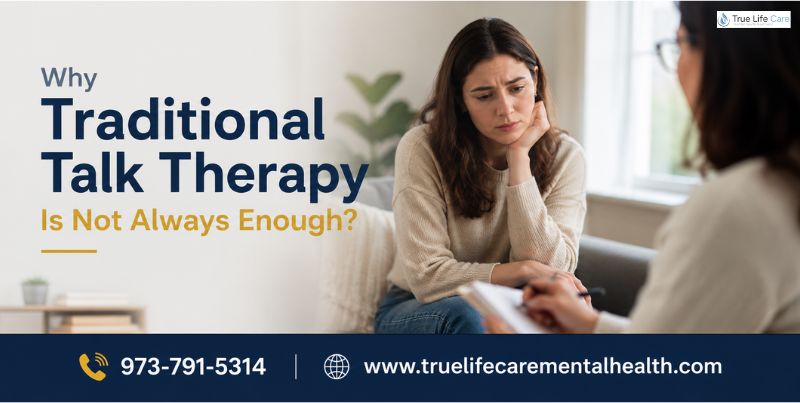
Why Traditional Talk Therapy Is Not Always Enough?
Talk therapy provides a safe place for people to speak honestly. That alone can bring relief. Many people carry stress for months before they say it out loud.
But life continues after the session ends.
A person may leave therapy feeling lighter, then face the same pressure at home, school, work, or in a relationship. Anxiety may return at night. Depression may make basic tasks feel difficult. Trauma may affect trust, sleep, and reactions to everyday situations.
When that happens, the answer is not always “try harder.” The answer may be a stronger care plan.
The Limits Of One-Size-Fits-All Mental Health Care
No two people need the same kind of help.
One person may need regular counseling. Another may need emotional support therapy and a medication review. Someone else may need a few weeks of structured care to get back into a safer routine.
A good plan considers a person’s symptoms, schedule, home life, support system, and daily responsibilities.
What Are Integrated Mental Health Services?
Integrated mental health services bring together different types of care. Instead of treating one symptom at a time, the care plan looks at the full picture.
This may include:
- Individual therapy
- Group therapy
- Emotional support therapy
- Medication management
- Psychiatric support
- Intensive outpatient care
- Partial hospitalization care
- Trauma-informed support
- Family involvement when appropriate
- Coping skills for daily life
The point is not to make care complicated. The point is to make care more useful.
Whole-Person Mental Health Care
Mental health is connected to many parts of life. Sleep, food, stress, work, school, family, grief, past trauma, and relationships can all affect how a person feels.
For example, anxiety comes with various things. It can show up as tight breathing, poor sleep, racing thoughts, stomach discomfort, or fear of leaving the house.
Depression is not only sadness. It can affect energy, focus, patience, hygiene, appetite, and interest in things the person used to enjoy.
Integrated care pays attention to these real-life details.
Why Integrated Mental Health Care Matters In Matawan?
Many people delay getting help. Some feel embarrassed. Some think their problems are not serious enough. Some have tried therapy before and did not feel much change. Others simply do not know what level of care they need.
This is why mental health awareness matters.
When people understand their options, they can make better choices. They can also ask for help earlier, before stress turns into a larger problem.
A local mental health clinic can make support more easily accessible. Being close to care matters when someone is already tired, anxious, or overwhelmed.

Core Components Of Integrated Mental Health Services
Individual Therapy
Individual therapy gives a person private time with a trained professional. It can help with anxiety, depression, grief, trauma, stress, relationship problems, and major life changes.
Good therapy is not only about talking. It helps a person notice patterns, understand triggers, and practice better ways to respond.
Emotional Support Therapy
Emotional support therapy is often helpful when someone feels emotionally worn down. It gives the person space to talk without being judged or rushed.
This kind of support can help someone understand what they are feeling and why it keeps coming back. It can also help them stay steady while they work through deeper issues.
For many people, emotional support therapy is a part of care that helps them get through the week.
Medication Management
Medication is not the right choice for everyone. But for some people, it can reduce symptoms enough to make daily life feel more manageable.
Medication management helps track progress, side effects, dosage, and changes in symptoms. It should be part of a careful plan, not a quick decision.
Intensive Outpatient Program
An Intensive Outpatient Program (IOP) provides more support than weekly therapy. It may be useful when symptoms are affecting daily life, but the person can still live at home.
IOP may include therapy, group sessions, coping skills, and emotional regulation work.
Partial Hospitalization Program
A Partial Hospitalization Program, or PHP, is more structured than IOP. It usually offers more treatment hours during the day.
PHP may help someone who needs strong support but does not need overnight care. It can provide the person with routine, safety, and focused clinical support.
Conditions That May Benefit From Integrated Mental Health Treatment
A fuller care plan may help people dealing with:
- Anxiety
- Panic attacks
- Depression
- Mood changes
- Trauma-related stress
- Bipolar disorder
- Emotional dysregulation
- Relationship stress
- Co-occurring mental health and substance use concerns
The label is not the whole story. Two people with anxiety may need very different care. One may need weekly sessions. Another may need structure, skills practice, and medication support.
That is why personal planning matters in mental health treatment.
How Integrated Care Helps In Daily Life?
The best care should help outside the therapy room.
People need skills they can use when they are alone, under pressure, or facing a difficult conversation. They need support that connects to real life.
Integrated care can help a person:
- Build better coping habits
- Improve sleep routines
- Handle stress with more control
- Communicate more clearly
- Return to work or school tasks
- Reduce isolation
- Understand emotional triggers
- Create a steadier weekly routine
Emotional support therapy can also help people talk through small problems before they become too heavy.
Choosing The Right Level Of Care In Matawan
Choosing care can feel confusing at first. A simple way to think about it is to ask how much symptoms are affecting daily life.
When Weekly Therapy May Be Enough
Weekly therapy may be enough if the person can still manage daily tasks, keep up with responsibilities, and use coping skills between sessions.
When IOP May Help
IOP may help when symptoms are frequent and affecting work, school, sleep, or relationships. It gives more support without requiring full-time care.
When PHP May Be A Better Fit
PHP may be a better fit for someone who needs more structure during the day. It can help when weekly therapy or IOP does not feel like enough support.
Questions To Ask Before Choosing A Program
Before choosing a program, it helps to ask:
- What am I struggling with most right now?
- Are my symptoms affecting my daily life?
- Do I need support more than once a week?
- Is a medication review needed?
- Does the program include emotional support therapy?
- Will the plan change as I improve?
- Can family be involved if it would help?
These questions can clarify the next step.
Transform Your Life with Mental Health Care in Matawan
Discover compassionate and personalized mental health support designed to help you feel stronger, calmer, and more confident. Explore integrated care options in Matawan that focus on your emotional wellness, healing, and long-term growth. Contact us today to begin your journey.
Get Started NowCommon Misconceptions About Mental Health Care
“Therapy Alone Should Be Enough”
Therapy is helpful, but it is not the only kind of support. Some people need more structure, and that is not a personal failure.
“Structured Programs Are Only For Severe Cases”
Structured care can help before things become worse. Getting support early is often the wiser choice.
“Medication Replaces Therapy”
Medication does not teach coping skills or solve every problem. For some people, it works best alongside therapy.
“Asking For More Help Means I Am Weak”
Asking for more help means the current level of support may not be enough. That is a care issue, not a character issue.
FAQs About Integrated Mental Health Services In Matawan
What Are Integrated Mental Health Services?
They are services that combine therapy, medication support, structured programs, coping skills, and personal care planning.
How Do I Know If I Need More Than Therapy?
You may need more support if symptoms affect sleep, work, school, relationships, or basic daily routines.
What Is The Difference Between IOP And PHP?
IOP is structured outpatient care with more support than weekly therapy. PHP is usually more intensive and includes more treatment hours during the day.
Can Integrated Care Help With Anxiety And Depression?
Yes. Many people with anxiety or depression benefit from therapy, coping skills, emotional support, and medication review when needed.
What Is Emotional Support Therapy?
Emotional support therapy provides a safe space for a person to talk through stress, sadness, fear, confusion, or life changes. It helps them feel supported while they build healthier coping skills.
Conclusion
Mental health care should feel clear, personal, and useful. Some people need weekly therapy. Others need a wider plan with structure, support, medication review, and practical tools for daily life.
There is no shame in needing more support. The right care can help a person feel less stuck and steadier.
If you are looking for supportive mental health care in Matawan, contact True Life Mental Health to explore care that fits your needs, schedule, and daily life.