
Anxiety can quietly take over your daily life. It may start with constant worry, trouble sleeping, or feeling on edge. Over time, it can affect your relationships, job performance, physical health, and overall sense of well being. When anxiety begins to control your thoughts and decisions, it can feel exhausting and discouraging.
The good news is that support is available. Anxiety therapy in Matawan, NJ offers individuals a safe and structured way to understand their symptoms, develop coping tools, and regain control of their lives. With the right guidance, it is possible to move from feeling overwhelmed to feeling empowered.
Understanding What Anxiety Really Feels Like
Anxiety is more than occasional stress before a big event. For many people, it shows up as racing thoughts, constant worry, muscle tension, rapid heartbeat, or a sense of impending danger. Some individuals experience panic attacks, while others struggle with social anxiety or ongoing fear that interferes with everyday tasks.
Left untreated, anxiety can lead to avoidance behaviors. You might avoid social gatherings, delay important decisions, or withdraw from activities you once enjoyed. This avoidance can temporarily reduce discomfort, but it often strengthens anxiety over time.
Anxiety therapy focuses on breaking this cycle so you can respond to stress in healthier ways.
Creating a Safe Space to Be Heard
One of the first ways anxiety therapy in Matawan, NJ helps you regain control is by providing a safe, nonjudgmental space to talk openly. Many people keep their worries to themselves out of fear of being misunderstood. Therapy offers a place where your concerns are taken seriously.
During sessions, a licensed therapist works with you to explore your symptoms, personal history, and current stressors. This process helps identify patterns that may be contributing to your anxiety. Simply understanding what is happening can bring a sense of relief.
When you feel heard and supported, it becomes easier to take the next steps toward change.
Identifying Triggers and Thought Patterns
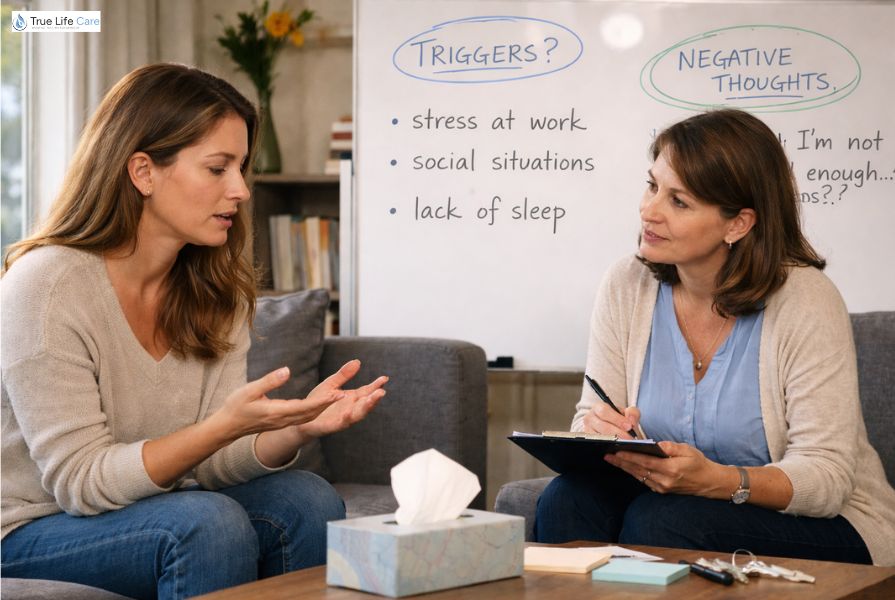
Anxiety often feels automatic. Certain situations, thoughts, or memories may trigger strong emotional reactions without warning. Therapy helps you slow down and examine these patterns.
For example, you may notice that specific social settings trigger fear of judgment. Or perhaps work related pressure leads to constant worry about making mistakes. By identifying these triggers, you can begin to challenge the thoughts that fuel anxiety.
Therapists often use structured approaches such as cognitive behavioral therapy to help you understand how thoughts, emotions, and behaviors are connected. Once you recognize unhelpful thinking patterns, you can learn how to replace them with more balanced perspectives.
Learning Practical Coping Skills
Regaining control means having tools you can use outside of therapy sessions. Anxiety therapy in Matawan, NJ focuses on teaching practical skills that fit into real life.
These skills may include breathing exercises to calm the nervous system, grounding techniques to reduce panic symptoms, and strategies for managing intrusive thoughts. You may also learn how to set boundaries, improve time management, and develop healthier routines.
Practicing these techniques regularly builds confidence. Over time, situations that once felt overwhelming may begin to feel manageable.
Addressing Underlying Causes
For some individuals, anxiety is linked to past experiences such as trauma, family conflict, or major life changes. Therapy provides an opportunity to process these experiences in a supportive environment.
Unresolved issues can quietly influence how you respond to stress. By working through them with a trained professional, you reduce their power over your present life. This deeper work often leads to long term improvement rather than temporary relief.
When underlying causes are addressed, anxiety symptoms tend to decrease naturally.
Support for Co Occurring Conditions
Anxiety does not always exist on its own. It may occur alongside depression, mood changes, or substance use. Comprehensive anxiety therapy considers the whole person rather than focusing on one symptom.
If needed, psychiatric evaluation and medication management can be incorporated into your treatment plan. When symptoms are severe, medication may help stabilize mood and reduce intense anxiety, making therapy more effective.
This integrated approach supports lasting stability and prevents symptoms from returning.
Feel Balanced Again with Anxiety Therapy in Matawan, NJ
Get help for anxiety in Matawan, NJ with therapy that truly works. Compassionate care helps manage stress, panic, and worry while building coping skills. Most major insurance plans are accepted, making support more accessible and affordable for you.
Get Started NowBuilding Confidence Through Gradual Exposure
Avoidance keeps anxiety alive. When you avoid feared situations, your brain never has the chance to learn that you can handle them. Therapy often includes gradual exposure techniques that help you face fears step by step.
With guidance from your therapist, you may slowly reintroduce situations you have been avoiding. Each successful experience builds resilience and confidence. Over time, your sense of control grows stronger.
This process is done at a pace that feels safe and manageable, ensuring that progress feels steady rather than overwhelming.
Strengthening Relationships and Communication
Anxiety can affect how you communicate with others. You may struggle to express needs, set boundaries, or manage conflict. Therapy helps improve these skills, which can strengthen relationships at home and work.
Healthy communication reduces misunderstandings and lowers stress. When your support system becomes stronger, it reinforces the progress you are making in therapy.
Feeling connected and understood plays a major role in emotional stability.
Maintaining Long Term Progress
Regaining control is not about eliminating stress entirely. It is about developing the ability to respond to challenges without feeling consumed by them. Anxiety therapy in Matawan, NJ emphasizes long term strategies that you can continue using after sessions end.
This may include ongoing self reflection, continued practice of coping skills, and periodic check-ins with a therapist if needed. Stability grows from consistency and self awareness.
With time and effort, many individuals find that anxiety no longer dictates their decisions. Instead, they feel more confident in their ability to handle life’s uncertainties.
Conclusion
Living with anxiety can feel overwhelming, but you do not have to navigate it alone. Anxiety therapy in Matawan, NJ offers structured support, practical coping skills, and compassionate care designed to help you regain control of your thoughts and emotions. By addressing both surface symptoms and deeper causes, therapy creates a strong foundation for lasting stability.
At True Life Care Mental Health New Jersey, our outpatient anxiety therapy services are tailored to meet your individual needs. If anxiety is interfering with your daily life, now is the time to take the first step. Contact our team today to learn how we can help you build confidence, reduce stress, and move forward with clarity and strength.
Frequently Asked Questions
1. How do I know if I need anxiety therapy?
If anxiety is interfering with your daily activities, relationships, sleep, or work performance, professional therapy can provide valuable support.
2. What types of anxiety are treated in Matawan, NJ?
Therapists commonly treat generalized anxiety, social anxiety, panic disorder, and anxiety related to trauma or major life changes.
3. How long does anxiety therapy usually take?
The length of therapy varies based on individual needs. Some people see improvement in a few months, while others benefit from longer term support.
4. Is medication required for anxiety treatment?
Medication is not required for everyone. A mental health professional can help determine whether it may be beneficial based on your symptoms.
5. Can anxiety therapy provide lasting results?
Yes. With consistent participation and practice of coping skills, many individuals experience long term improvement and greater emotional stability.