
Understanding Postpartum Depression and Perinatal Mood Disorders in New Jersey
Postpartum depression therapy NJ is available through a range of specialized programs — from individual counseling and telehealth to group therapy, Intensive Outpatient Programs (IOP), and Partial Hospitalization Programs (PHP).
Quick answer — top postpartum depression therapy options in NJ:
- Individual therapy (CBT, Interpersonal Therapy, EMDR)
- Group therapy and peer support programs
- Telehealth counseling (available statewide)
- Intensive Outpatient Program (IOP) for structured support
- Partial Hospitalization Program (PHP) for rapid stabilization
- Medication management (including breastfeeding-safe options)
- Couples and family therapy
- Perinatal psychiatric evaluation
- Birth trauma and PTSD-focused therapy
- Crisis and emergency psychiatric care
Having a new baby can be one of the most overwhelming experiences of your life — and not always in the way you expected.
Up to 1 in 7 women and 1 in 10 men develop a perinatal mood or anxiety disorder (PMAD). These are not signs of weakness or bad parenting. They are real, treatable medical conditions — driven by hormonal shifts, sleep deprivation, and the enormous psychological weight of becoming a parent.
In New Jersey, postpartum depression is taken seriously at the state level. NJ law requires that all birthing individuals be screened for postpartum depression before leaving the hospital and at their first few follow-up visits.
Yet many people still suffer in silence — unsure whether what they’re feeling is “normal,” or not knowing where to turn.
True Life Care Mental Health, located in Matawan, NJ, serves Monmouth County residents and beyond with comprehensive, personalized mental health programs — including support for postpartum depression and related perinatal mood disorders. As an out-of-network provider, True Life Care accepts PPO plans.
This guide covers the 10 most effective postpartum depression therapy approaches available in New Jersey right now — so you can find the right level of support, faster.
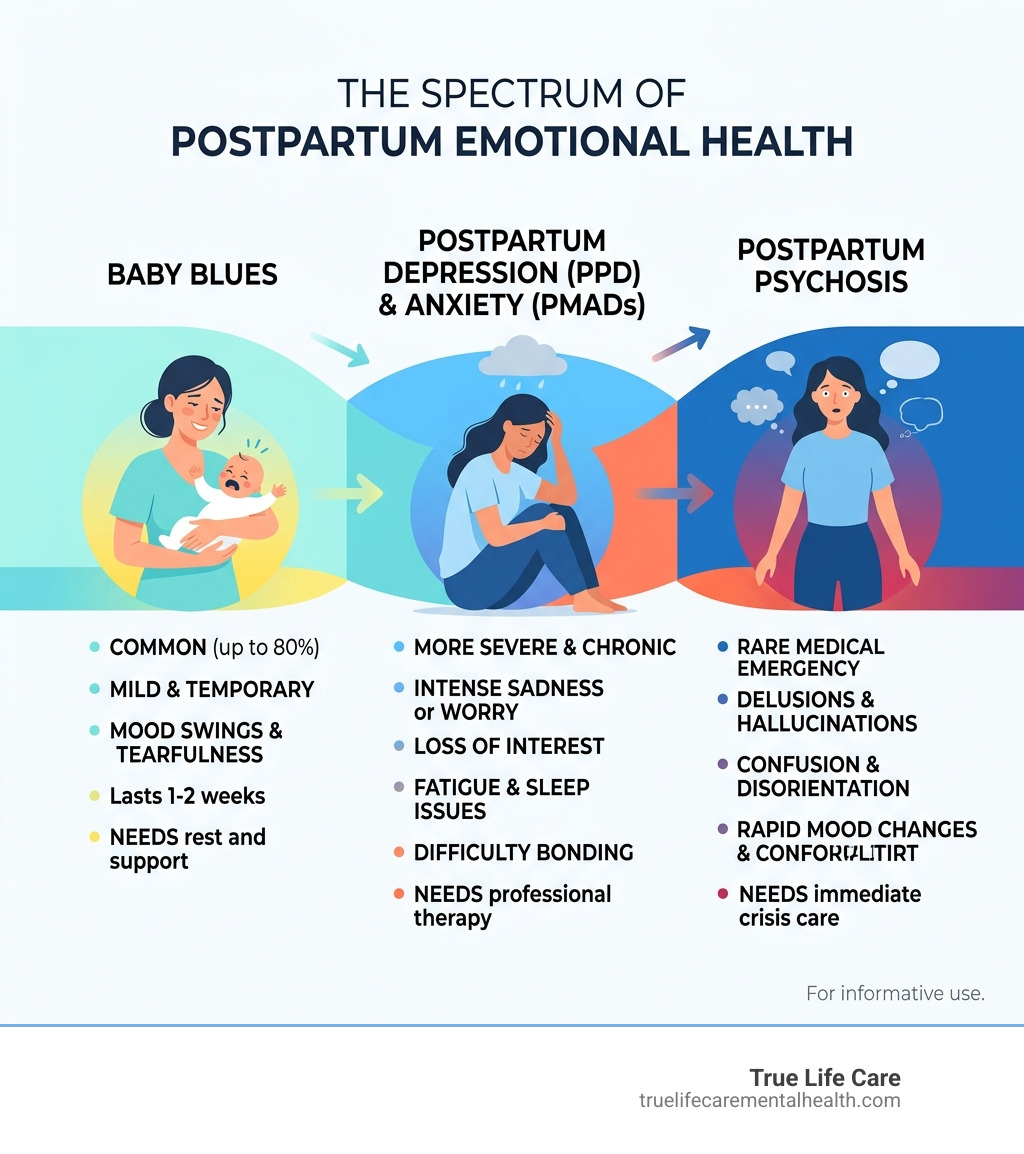
Must-know Postpartum depression therapy NJ terms:
- Bipolar Disorder Therapy in New Jersey
- OCD treatment new jersey
- Schizophrenia Treatment in New Jersey

It is common to feel a bit “weepy” or overwhelmed in the first few days after bringing a baby home. This is often called the “baby blues,” and it affects up to 80% of new mothers. Usually, these feelings resolve on their own within two weeks. However, when those feelings of sadness, anxiety, or detachment persist beyond that two-week mark, it is time to look closer at Postpartum Depression.
In New Jersey, we are fortunate to have strict screening laws. State law mandates that birthing individuals are screened for perinatal mood disorders before they even leave the hospital or birthing center. Education is also provided to families so they can recognize the signs early. Despite these safeguards, many parents feel a sense of shame that prevents them from speaking up during follow-up visits.
Recognizing the 10 Signs Of Postpartum Depression is the first step toward healing. These symptoms often include:
- Persistent feelings of emptiness or hopelessness.
- Difficulty bonding with your baby or feeling “numb.”
- Intrusive, scary thoughts about harm.
- Severe sleep disruption (being unable to sleep even when the baby is sleeping).
- Extreme irritability or “postpartum rage.”
The causes are multifaceted. According to Scientific research on NJ Perinatal Mood Disorders, the sudden drop in estrogen and progesterone after birth, combined with thyroid changes and chronic sleep deprivation, creates a “perfect storm” for mood instability. Risk factors such as a history of depression, lack of social support, or a traumatic birth experience can further increase the likelihood of developing a PMAD.
Evidence-Based Postpartum Depression Therapy NJ Options

When you seek Postpartum depression therapy NJ, you want to ensure the methods used are backed by clinical research. At True Life Care Mental Health, we focus on evidence-based modalities that specifically address the unique challenges of the perinatal period.
Two of the “gold standard” therapies for PPD are Cognitive Behavioral Therapy (CBT) and Interpersonal Therapy (IPT). CBT helps you identify and shift the negative thought patterns—like “I’m a bad mother” or “My baby would be better off without me”—that fuel depression. IPT focuses on your relationships and the massive role transition you are experiencing, helping you build better communication and support systems.
| Feature | Cognitive Behavioral Therapy (CBT) | Interpersonal Therapy (IPT) |
|---|---|---|
| Primary Focus | Changing negative thought patterns and behaviors. | Improving relationships and social functioning. |
| Key Goal | Developing coping skills for intrusive thoughts. | Managing role transitions and resolving conflicts. |
| NJ Availability | Widely available at Cognitive Behavioral Therapy Nj centers. | Specialized perinatal specialists across NJ. |
| Efficacy | High for anxiety and depression symptoms. | High for improving maternal-infant bonding. |
Beyond talk therapy, Depression Treatment New Jersey often involves medication management. Many new parents are hesitant to take medication due to breastfeeding concerns. However, modern psychiatry offers several SSRI options that are considered safe for nursing mothers. A specialized psychiatric evaluation can help determine if medication is a necessary tool to stabilize your nervous system so that therapy can be more effective.
Individual Counseling and Postpartum Depression Therapy NJ
Individual therapy provides a private, non-judgmental space to process the complicated emotions of parenthood. For many, this is the first time they can admit they aren’t “loving every minute” without fear of being judged.
Personalized treatment plans are essential because no two postpartum journeys are the same. Some mothers may be dealing with the heartbreak of infertility or pregnancy loss, while others are struggling with the “mental load” of caregiving. You can find More info about NJ postpartum specialists through various directories, but finding a provider who understands the specific hormonal and social pressures of New Jersey living—from commuting stress to high-achiever burnout—is key.
Telehealth and Accessible Postpartum Depression Therapy NJ
For a new parent, simply getting out of the house can feel like a Herculean task. This is why telehealth has become a vital component of Postpartum depression therapy NJ. Virtual counseling allows you to meet with an expert from the comfort of your home, often while your baby naps.
Thanks to the PSYPACT initiative, many NJ-based psychologists can provide services across state lines, increasing the pool of available specialists. This accessibility is a game-changer for those in more rural parts of the state or for parents who lack reliable childcare. Our Depression Treatment New Jersey Guide highlights how remote monitoring and virtual check-ins can provide a safety net for parents during those difficult first months.
Specialized Levels of Care: PHP and IOP for Maternal Mental Health
Sometimes, weekly therapy isn’t enough. If symptoms are severe—meaning you are struggling to function, care for your baby, or keep yourself safe—a higher level of care may be necessary.
A Partial Hospitalization Program (PHP) offers the most intensive non-residential support. Patients typically attend the program for several hours a day, five days a week. This allows for rapid stabilization through daily therapy, medication adjustments, and constant clinical supervision. It is particularly effective for those experiencing severe depression or co-occurring disorders like Schizophrenia or bipolar spectrum issues that have been triggered by childbirth.
For those who need more than standard outpatient care but can still manage some daily responsibilities, an Intensive Outpatient Program For Mental Health (IOP) is an excellent middle ground. These programs usually meet three days a week and focus on building practical coping skills, emotional regulation, and relapse prevention. This structured daily support helps bridge the gap between crisis and long-term wellness, ensuring a smooth transition back to “normal” life.
Holistic and Group-Based Healing for New Parents
Isolation is the fuel that feeds postpartum depression. There is something profoundly healing about sitting in a room (or a virtual circle) with others who truly “get it.” Group therapy provides peer support that reminds you that you are not alone, you are not to blame, and with help, you will be well.
At True Life Care Mental Health, we believe in a holistic approach to recovery. This includes:
- Art Therapy: Using creative expression to process emotions that are too difficult to put into words.
- Family Therapy: Educating partners on the Signs Your Partner Has Postpartum and improving the home environment.
- EMDR Therapy: Specifically useful for those who experienced birth trauma or have a history of PTSD.
We also emphasize bonding exercises that encourage oxytocin release. Simple acts like cuddling or skin-to-skin contact are not just “nice to do”—they are biological interventions that can help lower cortisol and improve mood for both parent and child.
Navigating Psychiatric Emergencies and Severe Symptoms
While most cases of PPD are mild to moderate, we must discuss the most severe end of the spectrum: postpartum psychosis. This is a psychiatric emergency that affects about 1 to 2 out of every 1,000 births. It often involves a rapid onset of symptoms like hallucinations, delusions, and extreme confusion.
In these instances, differential diagnosis is critical. A specialist must determine if the individual is experiencing a primary psychotic disorder, such as schizophrenia, or a severe bipolar episode triggered by the hormonal shift of birth.
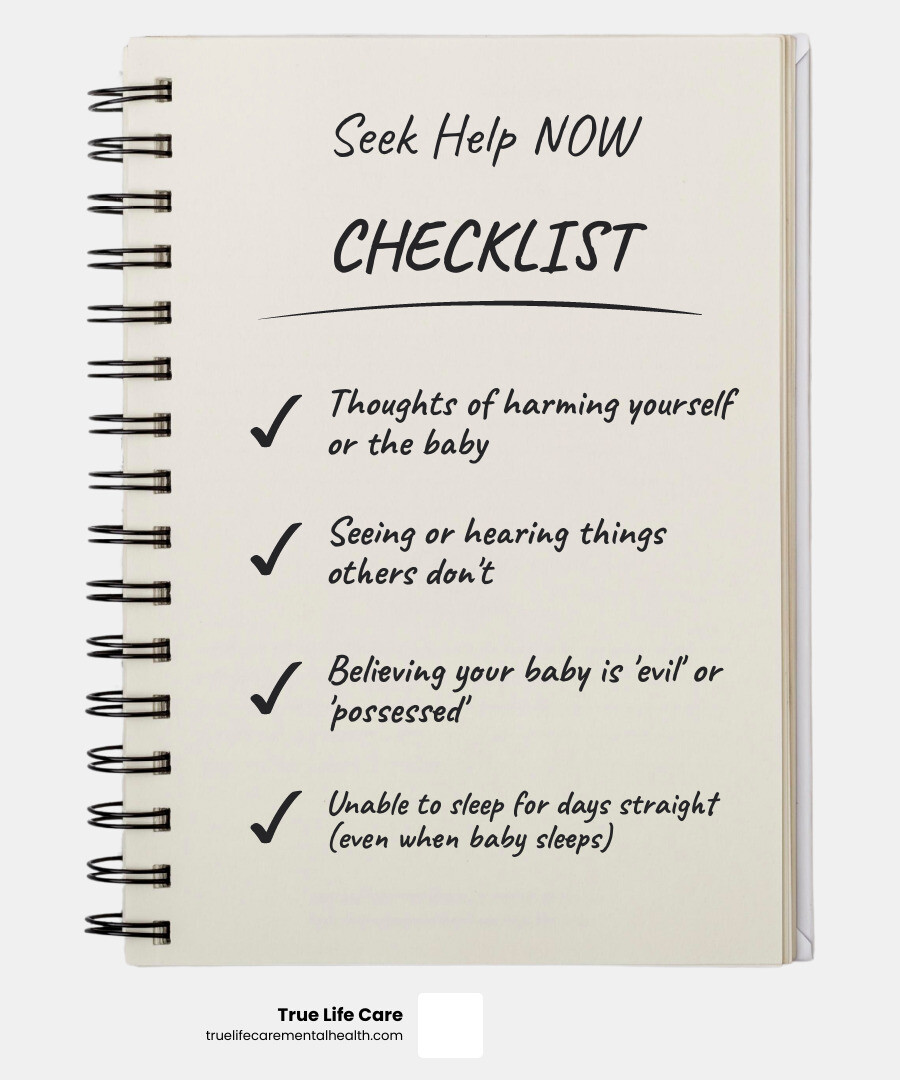
When to seek immediate help:
- Thoughts of harming yourself or the baby.
- Seeing or hearing things that others don’t.
- Feeling like your baby is “evil” or “possessed.”
- Being unable to sleep for several days straight (even when the baby is sleeping).
For Monmouth County residents, our Matawan NJ location is equipped to assist during psychiatric emergencies by providing rapid assessments and directing families to the appropriate level of inpatient or intensive outpatient care. If you are in immediate danger, always call 911 or the 988 Suicide & Crisis Lifeline.
Frequently Asked Questions about Postpartum Depression Therapy NJ
How do I know if I have PPD or just the “baby blues”?
The “baby blues” usually peak around day four or five and disappear by day fourteen. They involve mood swings and crying spells but don’t typically stop you from being able to care for your baby. Postpartum depression therapy NJ is recommended if your symptoms last longer than two weeks, feel very intense, or make it hard to complete daily tasks.
Does insurance cover intensive postpartum treatment in NJ?
Yes, most major health insurance plans cover mental health treatment, including PHP and IOP. True Life Care Mental Health is an out-of-network provider and accepts PPO plans. We recommend verifying your benefits before starting treatment to understand your specific coverage.
What help is available for fathers and partners in New Jersey?
Postpartum depression doesn’t just affect the person who gave birth. 1 in 10 dads experience postpartum depression or anxiety. We offer couples counseling and family therapy to help partners understand the condition, manage their own stress, and learn how to provide the best support for the family unit.
Conclusion
Recovery from postpartum depression is not just possible—it is expected with the right support. Whether you need the rapid stabilization of a PHP, the structured support of an IOP, or the personalized touch of individual Postpartum depression therapy NJ, help is available right here in the Garden State.
True Life Care Mental Health provides a holistic, compassionate environment for parents to heal. Our Matawan NJ facility is dedicated to serving our community with expert psychiatric care and evidence-based therapy. We are an out-of-network provider and accept PPO plans to ensure you can access the high-quality care you deserve.
You don’t have to navigate this transition alone. For More info about mental health programs in New Jersey, reach out to us today and take the first step toward feeling like yourself again.