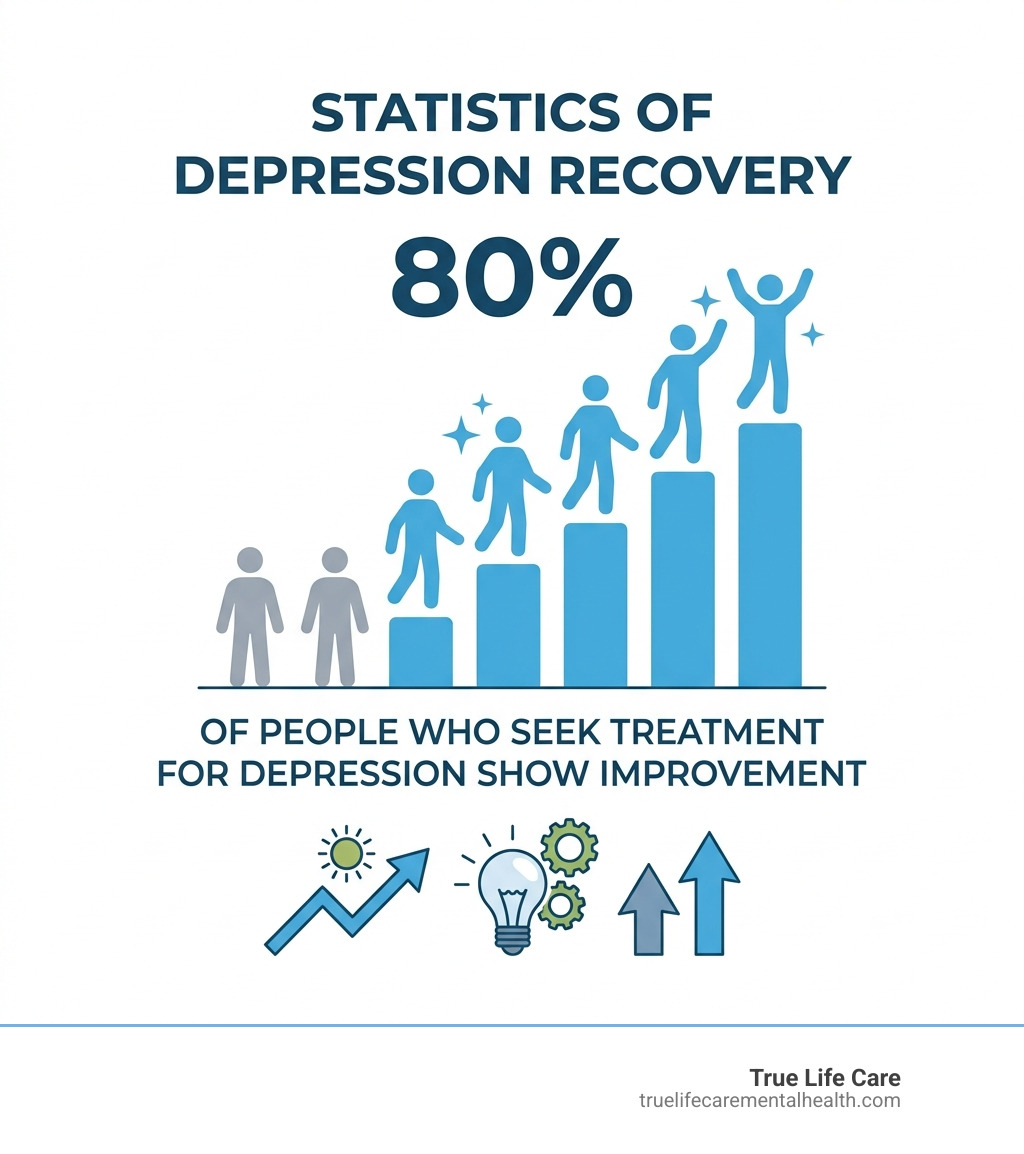
When Depression Becomes a Crisis: What Inpatient Psychiatric Care Really Means
Inpatient psychiatric care for depression is a level of treatment where individuals experiencing severe or life-threatening depressive episodes are admitted to a hospital or specialized psychiatric facility to receive round-the-clock clinical supervision, medication management, and intensive therapy. This is not merely a “break” from reality; it is a high-intensity clinical intervention designed to stabilize the brain’s chemistry and the individual’s safety during their most vulnerable moments.
Here’s what you need to know, fast:
- Who it’s for: Adults, adolescents, and seniors whose depression has become unsafe or unmanageable in everyday settings, including those facing a psychiatric emergency.
- What it involves: 24/7 nursing care, psychiatric evaluation, medication adjustment, individual therapy, and group therapy focused on healing and stabilization.
- When it’s needed: Suicidal thoughts, self-harm, psychotic symptoms, or depression that hasn’t responded to outpatient treatment (treatment-resistant depression).
- How long it lasts: Typically 8 to 30 days, depending on clinical need and individual progress toward safety goals.
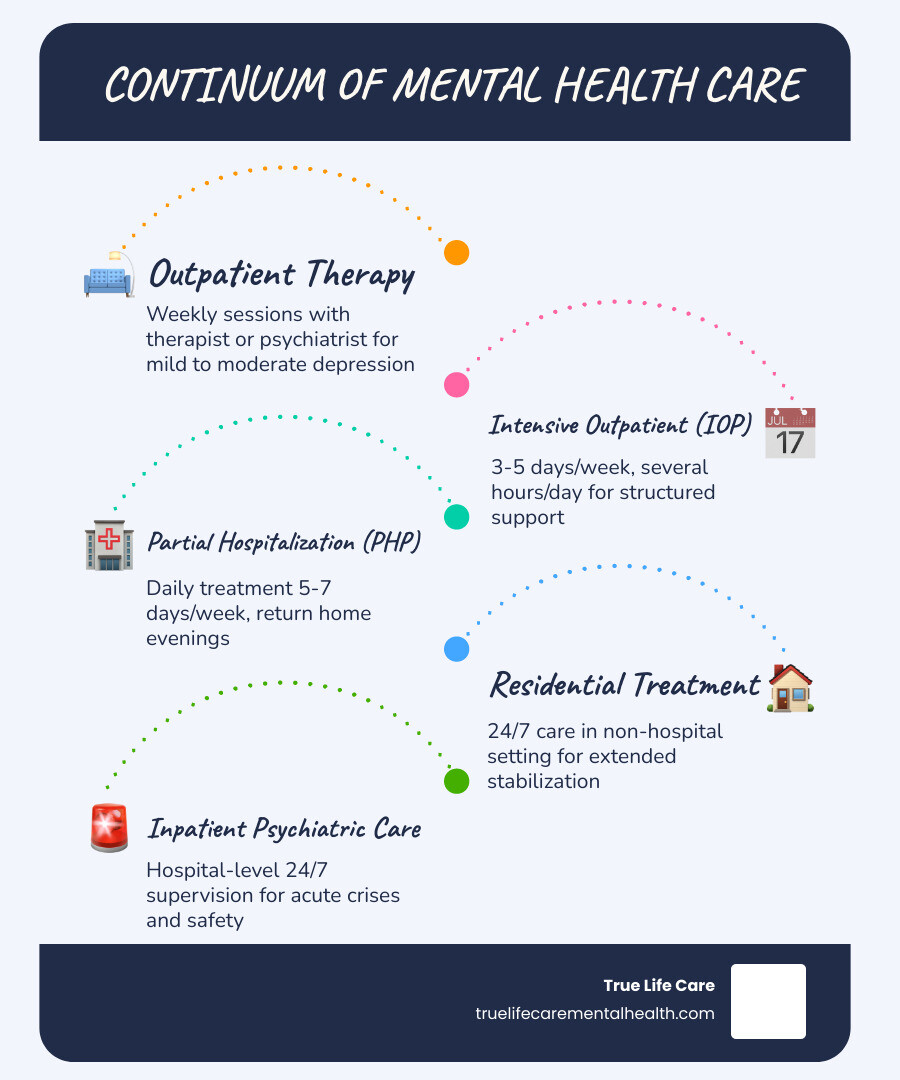
- What comes next: A structured transition to a lower level of care, such as a partial hospitalization program (PHP) or intensive outpatient program (IOP).
Depression isn’t just feeling sad. At its most severe, it is a debilitating medical condition that can strip away a person’s ability to work, maintain relationships, care for themselves, or stay safe. For many people in New Jersey and across the country, outpatient therapy and medication simply aren’t enough when the crisis reaches a breaking point. When the weight of the world becomes too heavy to bear, the clinical structure of an inpatient unit provides the necessary scaffolding to prevent a total collapse.
That’s where inpatient psychiatric care comes in. It’s not a last resort – it’s a lifeline. A structured, safe environment where clinicians can stabilize symptoms, adjust medications in real-time, and begin rebuilding a foundation for recovery. This level of care is essential for those who are no longer able to function in their daily lives or who pose a risk to themselves or others.
At True Life Care, we understand how overwhelming it can be to navigate a mental health crisis – for the person experiencing it, and for the family members watching it unfold. Whether you’re a Monmouth County resident near our Matawan, NJ location or searching for answers on behalf of a loved one, this guide walks you through everything you need to know about inpatient psychiatric care for depression: what it looks like, when it’s necessary, and how to find the right fit. We specialize in helping individuals move from a state of crisis to a state of sustainable recovery.
We are an out-of-network provider and accept PPO plans, so if you’re concerned about coverage, we encourage you to reach out directly so we can help you understand your options. Our goal is to make high-quality, evidence-based care accessible to those who need it most in New Jersey.
Quick look at inpatient psychiatric care for depression:
Understanding Inpatient Psychiatric Care for Depression
When we talk about inpatient treatment, we are referring to the most intensive level of psychiatric care available. This is acute care, typically provided within a dedicated psychiatric hospital or a specialized unit of a general medical center. In these settings, safety is the number one priority. The environment is carefully controlled to remove potential hazards, allowing the patient to focus entirely on their stabilization and recovery. This controlled environment is crucial for those experiencing severe clinical depression, where the risk of self-harm or inability to perform basic self-care is high.
A multidisciplinary team of experts – including psychiatrists, registered nurses, social workers, and licensed therapists – works together to provide comprehensive psychiatric services. This team approach ensures that all aspects of a patient’s health are addressed, from physical medical stabilization to deep-seated emotional trauma. Unlike outpatient care, where you might see a doctor once a week, inpatient care provides constant observation and immediate clinical intervention. This allows for a level of diagnostic precision that is impossible in a standard outpatient setting. For a general overview of hospital-based psychiatric services, the American Psychiatric Association offers helpful educational information for patients and families.
The Goals of Acute Stabilization
The primary objective of an inpatient stay is not “fixing” depression forever in a few days, but rather achieving acute stabilization. This involves several critical steps:
- Symptom Reduction: Bringing the most debilitating symptoms – like suicidal thoughts, severe insomnia, or catatonia – under immediate control through pharmacological and therapeutic means.
- Crisis Management: Providing a safe harbor during a psychiatric emergency to prevent harm to self or others. This includes 24/7 monitoring by trained psychiatric staff.
- Diagnostic Clarity: Using the intensive observation period to ensure the diagnosis is accurate, especially if symptoms overlap with other conditions like bipolar disorder or anxiety.
- Medication Adjustment: Closely monitoring the effects of new medications or dosage changes in real-time, which is much safer than doing so at home where side effects could go unnoticed.
The Admission Process for Inpatient Psychiatric Care for Depression
Entering an inpatient facility can happen in a few different ways. Many people choose voluntary admission, recognizing that they need help and “signing themselves in.” This is often a brave first step toward reclaiming one’s life and indicates a level of insight into their own mental health needs. However, in cases where a person is in immediate danger and unable to recognize their need for help, involuntary commitment may occur according to state laws to ensure their safety.
Regardless of how a patient arrives, the process begins with a thorough initial assessment. This includes a psychiatric evaluation, a review of medical history, and often a physical exam to rule out underlying medical causes for depressive symptoms. If you’ve ever wondered, “Is there a mental health rehab?“, the answer is yes – and for many, the inpatient unit is the first phase of that rehabilitative journey, providing the medical foundation upon which long-term healing is built.
When is Inpatient Treatment for Depression Necessary?
Knowing when to seek a higher level of care can be difficult for families and individuals alike. Generally, inpatient care is recommended when a person’s safety is at risk or when their level of functioning has completely collapsed. Common triggers include persistent suicidal ideation with a plan or intent, or instances of self-harm that indicate a loss of control over one’s impulses.
Another major indicator is treatment-resistant depression. If a patient has tried multiple medications and outpatient therapies without success, they may show signs of treatment-resistant depression that require the intensive, 24/7 environment of acute psychiatric care to break the cycle of despair. In these cases, the standard “wait and see” approach of outpatient care is no longer viable, and a more aggressive, supervised intervention is required.
Recognizing the Signs of a Psychiatric Emergency
A psychiatric emergency is a medical emergency. If you or a loved one is experiencing any of the following, immediate inpatient intervention is likely necessary to prevent a tragic outcome:
- Psychosis: Hearing voices, seeing things that aren’t there, or experiencing delusions (often referred to as psychotic depression).
- Severe Withdrawal: Total isolation, refusing to eat, or being unable to get out of bed for days at a time.
- Neglect of Self-Care: An inability to maintain basic hygiene, manage physical health needs, or take life-sustaining medications for other conditions.
- Immediate Danger: Explicit threats of suicide, detailed planning for self-harm, or sudden violence toward others.
When these crises occur, exploring NJ mental institutions and acute care units becomes a priority for ensuring safety and starting the healing process. The goal is to move the individual into a secure environment where they can be stabilized by professionals.
Who Benefits from Inpatient Care?
Inpatient care is designed to be inclusive, though programs are often specialized by age or medical need to provide the most effective treatment possible.
- Adolescents: Youth aged 12-17 often require age-appropriate stabilization in environments designed for their developmental needs, focusing on family dynamics and school-related stressors.
- Medically Compromised: Individuals with co-existing physical illnesses (like heart disease or diabetes) benefit from hospital-based care where medical doctors are readily available to manage complex health interactions.
- Geriatric Patients: Seniors may experience depression alongside dementia or complex medication interactions, requiring specialized geriatric psychiatric services that account for cognitive decline and physical frailty.
- Postpartum Depression: Mothers experiencing severe perinatal mood disorders, including postpartum psychosis, may need inpatient care to ensure both their safety and the well-being of their infant during a critical bonding period.
The Inpatient Experience: What to Expect During Treatment
The hallmark of inpatient care is a highly structured routine. From the moment you wake up until lights out, your day is designed to support your recovery and minimize the opportunity for depressive rumination. You can expect 24-hour nursing support, regular check-ins with your psychiatrist, and a variety of therapeutic activities designed to engage the mind and body.
When going to rehab for mental health, many patients find the removal of daily stressors – like work emails, bills, and household chores – to be an immense relief. It creates a “therapeutic bubble” where the only job is getting better. This structure helps to re-establish a healthy circadian rhythm, which is often disrupted in those with severe depression.
| Feature | Acute Inpatient Care | Residential Treatment |
|---|---|---|
| Primary Goal | Crisis stabilization & safety | Long-term symptom management |
| Length of Stay | Short-term (typically 5-12 days) | Mid-to-long term (30+ days) |
| Medical Supervision | 24/7 hospital-level nursing | 24/7 support, but less “clinical” |
| Environment | Secure hospital unit | Home-like residential setting |
Therapeutic Modalities in Inpatient Psychiatric Care for Depression
While medication is a core component of inpatient care, therapy is equally vital. Most programs utilize evidence-based approaches like Cognitive Behavioral Therapy (CBT) and Dialectical Behavior Therapy (DBT). These help patients identify negative thought patterns and develop immediate coping skills for distress tolerance. In an inpatient setting, these therapies are often delivered in a more condensed and frequent format than in outpatient care.
For a deeper dive, you can read more about inpatient care for depression 101, which explains how these therapies are adapted for the short-term, high-intensity hospital environment. The focus is on “here and now” skills that can help a patient manage their immediate crisis.
The Vital Role of Group Therapy and Healing
Group therapy is often the “secret sauce” of inpatient recovery. While talking to a therapist one-on-one is helpful, sharing your experience with peers who truly understand what you’re going through is transformative. Group sessions focus on peer support, interpersonal skills, and emotional regulation. They provide a safe space to practice social interaction, which many depressed individuals have avoided for months.
In top-tier facilities, group therapy happens multiple times a day. It helps break the isolation that depression thrives on and reminds patients that they are not alone in their struggle. This sense of community is a powerful catalyst for healing, as it validates the patient’s feelings and provides diverse perspectives on coping and resilience.

Specialized Care for Schizophrenia and Co-occurring Disorders
Depression rarely travels alone. Many patients also struggle with anxiety disorders, substance abuse, or more complex conditions like schizophrenia. When someone has both a mental health disorder and a substance use issue, it’s called a dual diagnosis. This requires an integrated treatment approach where both conditions are treated simultaneously, rather than in isolation.
If you’ve asked, “Can you go to rehab for mental health?“, the answer is a resounding yes, especially when addiction is involved. Inpatient units are uniquely equipped to handle detox and psychiatric stabilization simultaneously, ensuring that the patient is safe during the withdrawal process while also addressing the underlying mood disorder.

Addressing Complex Diagnoses
Certain types of depression require even more intensive monitoring. Psychotic depression, for example, involves both a low mood and a break from reality, such as hallucinations or delusions. Schizoaffective disorder is another complex condition that combines symptoms of schizophrenia (like disorganized thinking) with mood disorder symptoms (like mania or major depression).
These complex cases require expert medication management and intensive monitoring by a multidisciplinary team. Our treatment-resistant depression insights highlight how specialized care can help those who feel they have tried everything and still haven’t found relief. In an inpatient setting, doctors can adjust antipsychotic and antidepressant medications daily to find the right balance for the patient’s unique brain chemistry.
Advanced Biological Treatments
For patients who do not respond to traditional medication, inpatient units often provide access to advanced biological treatments that are not available in most outpatient clinics:
- ECT (Electroconvulsive Therapy): Despite its outdated portrayal in media, modern ECT is a highly effective, safe treatment for severe, treatment-resistant depression and catatonia.
- TMS (Transcranial Magnetic Stimulation): A non-invasive procedure that uses magnetic fields to stimulate nerve cells in the brain. It is often used when medications have failed.
- Ketamine Infusions: A newer pharmacological innovation that can provide rapid relief for suicidal ideation and severe depressive symptoms, often within hours.
Recent accelerated TMS research suggests that delivering multiple treatments in a shorter timeframe can significantly speed up the recovery process for those in acute crisis, making it an ideal option for the inpatient environment.
Navigating Insurance and Choosing a Facility in New Jersey
Choosing the right facility is a major decision that impacts the trajectory of your recovery. For residents of Monmouth County, having a local option like our Matawan, NJ location can make a world of difference for family involvement and aftercare planning. Being close to home allows family members to participate in therapy sessions and visit regularly, which is a key component of long-term success.
When looking for psychiatric care in Monmouth County NJ, consider the facility’s accreditation, the experience of the staff, and the specific therapies they offer. At True Life Care, we pride ourselves on a modern, welcoming environment that feels less like a sterile institution and more like a place of genuine healing. We focus on the whole person, not just the diagnosis.

Financial Considerations for 2026
As of 2026, navigating the financial side of mental health care requires a bit of planning. For those using Medicare, it’s important to know that Medicare Part A covers inpatient psychiatric hospital services, though there are specific lifetime limits for stays in specialized psychiatric hospitals. Understanding these limits early can help in planning for the full continuum of care.
For those with private insurance, True Life Care is an out-of-network provider and accepts PPO plans. This often allows for more flexibility in choosing a high-quality program that fits your specific needs rather than being restricted to a limited network. We recommend reviewing your insurance coverage for inpatient mental health early in the process. Our admissions team is available to help you verify benefits and understand your out-of-pocket responsibilities.
Discharge Planning and Aftercare Success
Recovery doesn’t end when you leave the hospital; in many ways, it’s just beginning. That’s why discharge planning starts the day you are admitted. A successful transition often involves moving to a lower level of care, such as a Partial Hospitalization Program (PHP) or an Intensive Outpatient Program (IOP). These programs allow you to maintain the momentum gained during your inpatient stay.
These programs, which we offer at True Life Care, provide a “step-down” approach, allowing you to practice your new coping skills in the real world while still receiving several hours of therapy each day. When researching the top inpatient mental health facilities in NJ, always ask about their aftercare and relapse prevention strategies. A facility is only as good as the plan it gives you for when you walk out the door.
Frequently Asked Questions about Inpatient Depression Treatment
How long does a typical inpatient stay for depression last?
The average stay for acute stabilization is often between 8 to 10 days, though some programs may extend to 30 days depending on the severity of the crisis and the patient’s response to medication. The goal is to ensure you are safe and stable enough to continue treatment in a less restrictive setting. You can learn more about the differences in our guide to Outpatient vs. Inpatient care.
Can family members visit during inpatient treatment?
Yes! Family involvement is usually encouraged, as depression affects the whole family unit. Most facilities have specific visiting hours and may offer family therapy sessions to help repair relationships and build a supportive home environment. However, if you are concerned about the legalities of admission, our article on forcing a loved one into a psych ward explains the balance between safety and patient rights.
What happens if outpatient treatment has failed?
If weekly therapy or standard medications haven’t worked, it’s a sign that you need a higher level of care. Inpatient treatment provides the intensive, 24/7 intervention needed to reset your treatment plan, try new medications under supervision, and engage in more frequent therapy. If you’re asking yourself, “Should I go to rehab for depression?“, and your current symptoms are making life unmanageable, the answer is likely yes.
Is inpatient care the same as a “psych ward”?
While the terms are sometimes used interchangeably, modern inpatient psychiatric care is vastly different from the historical “asylums.” Today’s facilities are clinical, therapeutic environments focused on rapid stabilization, patient dignity, and evidence-based medicine. The focus is on rehabilitation and returning to the community with better coping tools.
Will I be able to work while in inpatient care?
Generally, the focus of inpatient care is total immersion in recovery, meaning you will likely need to take a leave of absence from work. Most employers offer protections through FMLA (Family and Medical Leave Act) for mental health crises. The goal is to remove all external stressors so you can focus entirely on your health.
Conclusion
Inpatient psychiatric care for depression is a powerful tool for reclaiming your life from the grip of a mental health crisis. It provides the safety, structure, and expert care needed to move from a place of danger to a place of hope. At True Life Care, we believe in holistic healing that addresses the mind, body, and spirit. We don’t just treat symptoms; we treat the individual.
Our evidence-based recovery programs in New Jersey are designed to empower you with the tools you need for long-term well-being. Whether you are in the middle of a psychiatric emergency or looking for a way to break through treatment-resistant depression, we are here to help. Our Matawan, NJ location in Monmouth County is ready to support you or your loved one through this difficult time.

Ready to take the first step toward a brighter future? Start your journey to healing today and let us help you find the way back to yourself. You don’t have to face this alone.