
Understanding the Intensive Outpatient Program Depression NJ
When we talk about an intensive outpatient program depression nj, we are referring to a specific level of clinical care designed to bridge the gap between traditional weekly therapy and full-time hospitalization. In the complex landscape of mental health, treatment is best visualized as a spectrum. On one end, you have standard outpatient therapy—the typical “one hour a week” session that many people use for maintenance or mild stressors. On the other, you have inpatient hospitalization, where individuals stay overnight for 24/7 monitoring during an acute crisis. For many residents in Monmouth County, neither of these extremes is the perfect fit. This is where the Intensive Outpatient Program (IOP) becomes a vital resource for healing.
An IOP is the “sweet spot” for many individuals struggling with moderate to severe depression. It provides a highly organized treatment team approach that standard therapy simply cannot match. Unlike standard therapy, where you might see your counselor once and then navigate the rest of your week alone, an IOP surrounds you with a community of clinicians and peers. This structure is vital for those who need to learn new coping mechanisms in real-time while still facing the stressors of their everyday life. The goal is not just to survive the week, but to build a foundation for long-term recovery while remaining integrated in your home environment. The clinical depth of an IOP allows for a comprehensive exploration of the biological, psychological, and social factors contributing to a patient’s depressive state.
According to What Is An Intensive Outpatient Program For Mental Health?, this level of care is non-residential. This means you get to sleep in your own bed, eat your own food, and maintain your privacy while receiving 9 to 15 hours of professional clinical work per week. It is often used as a “step-down” for people who have just finished a hospital stay or a Partial Hospitalization Program (PHP), or as a “step-up” for those whose depression symptoms are worsening despite regular therapy. In New Jersey, where the pace of life can be demanding and the pressure to perform is high, having a program that allows for both intensive healing and daily life maintenance is essential. The program serves as a stabilizing force, preventing the need for more restrictive environments while providing more support than a traditional office visit.
Understanding the difference between these levels is crucial for choosing the right path. As explored in Outpatient Vs Inpatient Mental Health Care For Adults What’s The Difference?, the choice usually comes down to safety and “functional impairment”—how much your depression is stopping you from living your life. If you find that you are unable to maintain your job, your relationships are suffering, or your self-care has declined significantly, a standard outpatient approach may no longer be sufficient. The IOP provides the necessary scaffolding to rebuild your life without the total disruption of an inpatient stay. This level of care is particularly effective for those experiencing treatment-resistant depression, where standard interventions have failed to provide relief.
| Feature | Standard Outpatient | Intensive Outpatient (IOP) | Partial Hospitalization (PHP) | Inpatient Care |
|---|---|---|---|---|
| Hours per Week | 1–2 hours | 9–15 hours | 20–30 hours | 24/7 Monitoring |
| Duration | Ongoing | 6–12 weeks | 2–4 weeks | 3–10 days (acute) |
| Living Situation | Home | Home | Home | Hospital Setting |
| Medical Support | Limited | Medication Management | Daily Medical Review | Constant Nursing |
| Best For | Mild symptoms | Moderate to severe | High acuity/stabilization | Crisis/Safety risk |
The Clinical Landscape of New Jersey Mental Health
New Jersey residents face unique stressors, from the high cost of living to the fast-paced professional environments of the tri-state area. These factors can exacerbate depressive symptoms, leading to a sense of burnout and hopelessness. An intensive outpatient program depression nj must be attuned to these local dynamics. In Monmouth County, we see a high demand for programs that offer flexibility for working professionals and students. The ability to attend intensive therapy sessions in the morning or evening while maintaining a career or academic standing is a cornerstone of modern mental health care. Our Matawan facility is strategically located to serve this need, providing a sanctuary for healing that is easily accessible to those living in the surrounding communities.
Who is a Candidate for an Intensive Outpatient Program Depression NJ?
Determining if you or a loved one is a candidate for an intensive outpatient program depression nj involves looking at both clinical symptoms and daily functioning. We typically look for individuals who are 18 years of age or older and are experiencing symptoms of Major Depressive Disorder, Bipolar Disorder, or persistent low mood that hasn’t responded to lower levels of care. The clinical team at our Matawan NJ location conducts thorough assessments, including the use of standardized diagnostic tools, to ensure that each participant is placed in the appropriate level of care for their specific needs.
A good candidate is someone who:
- Is medically and psychiatrically stable: They are not in immediate danger to themselves or others at the moment of intake and do not require the 24-hour medical supervision of a hospital.
- Struggles with “functional impairment”: This means depression is making it hard to work, go to school, maintain household responsibilities, or engage in meaningful relationships.
- Has a supportive or stable home environment: Returning to a safe space after sessions is a key component of the outpatient model, as it allows for the immediate application of coping skills.
- Is willing to participate in a group-based environment: Group therapy is the primary engine of change in an IOP, providing peer support and social learning opportunities.
- May have co-occurring issues: Many individuals struggle with anxiety, trauma, or mild substance use alongside their depression, requiring a multidisciplinary approach that addresses the whole person.
As noted in How Can An Intensive Outpatient Program For Depression Help You Heal?, the program is ideal for those who have a PHQ-9 (Patient Health Questionnaire) score indicating moderate to severe depression (typically a score of 15 or higher). It provides the “scaffolding” needed to rebuild a routine when depression has stripped away motivation and hope. By engaging in multiple hours of therapy several days a week, participants can break the cycle of isolation that so often accompanies depressive disorders. This intensive engagement helps to “jumpstart” the recovery process, providing a level of momentum that is difficult to achieve in once-a-week therapy.
Benefits of an Intensive Outpatient Program Depression NJ in Monmouth County
For residents in Monmouth County, accessing an IOP offers several unique advantages. The primary benefit is stabilization without isolation. Depression often tells us to withdraw, stay in the dark, and avoid people. An IOP forces a “behavioral activation”—a fancy clinical term for getting moving and connecting with others—which is often the first step in breaking a depressive cycle. By attending a program in Matawan, NJ, residents can receive world-class care while staying connected to their local support networks, families, and communities.
Key benefits include:
- Real-World Application: Because you go home every day, you can immediately practice the coping skills you learned in group therapy that morning. If a family conflict or work stressor arises, you can bring it back to the group the next day for processing. This creates a feedback loop that accelerates healing and ensures that skills are generalized to the patient’s actual life.
- Community Support: There is immense healing in realizing you are not alone. Group therapy allows participants to share commonalities, reducing the shame and stigma often associated with mental health struggles. In Monmouth County, building a local network of peers who understand the struggle is invaluable for long-term maintenance.
- Routine and Structure: Depression thrives on chaos or total inactivity. The 3-to-5-day-a-week schedule provides a necessary “anchor” for your week, helping to regulate sleep patterns, daily habits, and nutritional intake.
- Comprehensive Care: You aren’t just getting “talk therapy.” You are getting a combination of psychiatric oversight, medication management, and diverse therapeutic modalities like CBT and DBT. This holistic approach ensures that all facets of the illness are addressed simultaneously.
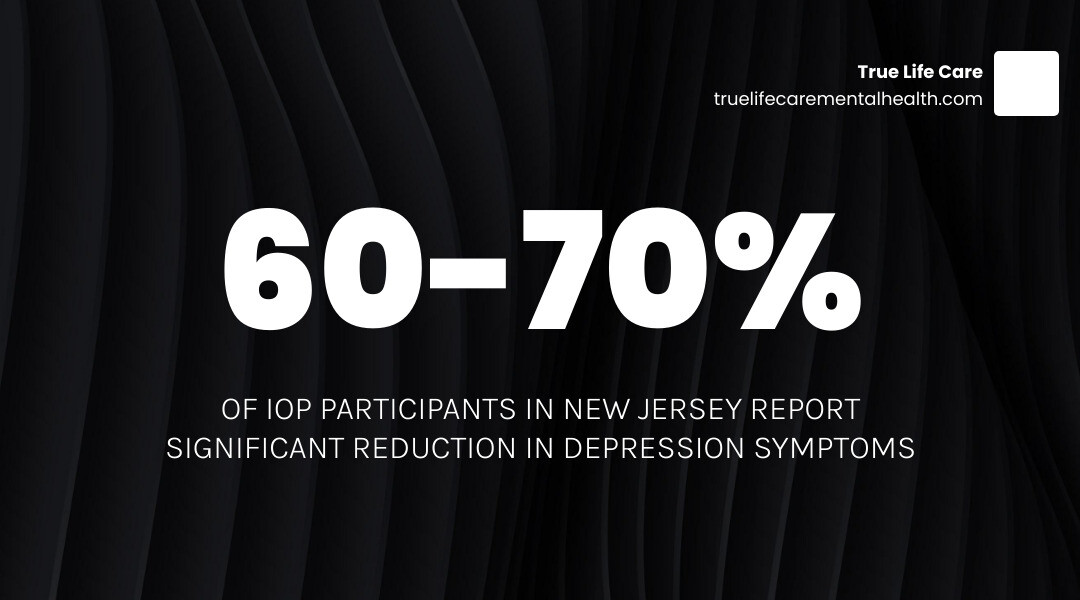
According to the Depression Treatment New Jersey Guide, these programs show significant symptom reduction in 60-70% of participants. By staying local in areas like Matawan or Monmouth County, you also maintain your existing support network of family and friends while receiving high-level clinical intervention. This continuity of care is often the deciding factor in preventing relapse and ensuring long-term wellness. The integration of family therapy within the IOP framework further strengthens the patient’s support system, providing loved ones with the tools they need to support the recovery process.
Specialized Healing for Depression and Schizophrenia in Monmouth County
At our Matawan, NJ facility, we recognize that depression doesn’t always exist in a vacuum. Sometimes, it is part of a more complex psychiatric picture, including conditions like schizophrenia or schizoaffective disorder. While many general outpatient centers may shy away from these complexities, we focus on providing a safe, specialized environment for profound healing. We understand that for those living with schizophrenia, the world can feel fragmented and overwhelming, and when depression is layered on top, the path to recovery requires expert navigation and a highly structured clinical approach.
Schizophrenia and severe depression both require a careful balance of therapy and medication. In an intensive outpatient program depression nj, we use a multidisciplinary team to monitor symptoms closely. For those living with schizophrenia, the structure of an IOP can be life-changing. It provides a “social laboratory” where individuals can practice social skills, manage intrusive thoughts, and work on cognitive remediation in a judgment-free zone. Our clinicians are trained to handle the nuances of psychosis and mood dysregulation, ensuring that every patient feels seen, supported, and safe. This specialized focus allows us to address the “negative symptoms” of schizophrenia—such as social withdrawal and lack of motivation—which often mimic or exacerbate clinical depression.

Our approach to Intensive Outpatient Program For Mental Health involves more than just managing symptoms; it’s about restoring quality of life and functional independence. For our Monmouth County neighbors, this means having access to a program that understands the nuances of serious mental illness. We follow protocols similar to those discussed by General Mood and Anxiety Disorders – Intensive Outpatient Program, emphasizing DBT-informed care and highly organized treatment teams. We believe that healing is possible even for those who have struggled for years with chronic conditions, provided they have the right level of support and evidence-based intervention.
The Intersection of Mood and Thought Disorders
When depression co-occurs with schizophrenia, it is often referred to as the “post-psychotic depressive phase” or may be a component of schizoaffective disorder. This combination requires a nuanced pharmacological approach and a therapeutic environment that can accommodate both reality-testing and emotional processing. In our Matawan facility, we provide a space where patients can discuss their experiences with hallucinations or delusions without fear of judgment, while also working on the heavy emotional burden of depression. This dual focus is essential for preventing relapse and helping patients achieve a state of stable recovery.
Healing from schizophrenia or deep depression requires a “whole-person” approach. This includes:
- Psychoeducation: Helping patients and families understand the biological and psychological nature of their condition. Knowledge is power, and understanding the “why” behind symptoms can reduce fear, increase compliance with treatment, and empower patients to take an active role in their recovery.
- Socialization Activities: Reducing the profound isolation that often accompanies these diagnoses. In our Matawan facility, we foster a sense of belonging through group activities and shared meals, helping participants reconnect with the world around them in a safe, controlled environment.
- Wellness and Pre-vocational Support: Helping individuals regain the confidence to return to work or school. We focus on the functional goals that matter most to our patients, whether that’s returning to a career, completing a degree, or simply being able to engage with family and friends again.
- Symptom Management: Teaching specific techniques to manage auditory hallucinations, paranoid ideation, or the “negative symptoms” of schizophrenia, such as emotional flatness. We use cognitive-behavioral techniques adapted for psychosis to help patients challenge distressing thoughts and improve their daily functioning.
- Family Integration: We recognize that serious mental illness affects the entire family system. Our program includes family sessions designed to improve communication, set healthy boundaries, and provide caregivers with the support they need to avoid burnout.
By focusing on specialized healing, we ensure that residents of Monmouth County don’t have to travel far to find high-acuity care. Our Matawan location is designed to be a sanctuary for those facing the toughest mental health challenges, providing a bridge from the darkness of illness to the light of recovery. We are dedicated to the idea that every individual, regardless of their diagnosis, deserves the opportunity to live a fulfilling and meaningful life.
Evidence-Based Therapies, Group Support, and Insurance Access
The core of any successful intensive outpatient program depression nj is the quality of the therapies offered. We don’t just sit in a circle and talk about our feelings; we use evidence-based “manualized” therapies that have been proven to rewire the brain and change behavior patterns. These therapies are the gold standard in mental health care, providing participants with concrete tools to manage their symptoms and improve their quality of life. By utilizing a structured curriculum, we ensure that every participant receives a consistent and high-quality therapeutic experience.
At our Matawan location, we utilize a combination of:
- Cognitive Behavioral Therapy (CBT): To identify and challenge the “automatic negative thoughts” that fuel depression. CBT helps patients recognize the link between their thoughts, feelings, and behaviors, allowing them to break negative cycles and develop a more balanced perspective on their lives.
- Dialectical Behavior Therapy (DBT): Specifically focusing on distress tolerance, emotion regulation, and mindfulness. This is particularly helpful for those who experience intense emotional “storms” or struggle with self-harming urges. DBT provides a framework for building a “life worth living.”
- Acceptance and Commitment Therapy (ACT): Helping you move toward your values even in the presence of difficult symptoms. ACT encourages psychological flexibility and a focus on what truly matters to the individual, rather than just the elimination of symptoms.
- Group Therapy: The primary modality of the IOP. Group sessions provide a space for peer feedback, shared experiences, and the practice of social skills in a safe environment. The group dynamic helps to break the isolation of depression and provides a sense of universal support.
- Medication Management: Our psychiatric team works with you to ensure your medications are optimized, which is often a critical foundation for therapy to be effective. Regular reviews ensure that side effects are managed and efficacy is maximized, with a focus on long-term stability.
- Mindfulness-Based Stress Reduction (MBSR): Integrating mindfulness techniques to help patients stay grounded in the present moment, reducing the rumination and worry that often characterize depressive and anxious states.
Navigating Insurance and Access to Care
We understand that the logistics of care can be a barrier for many families. To make our services accessible to those who need them most, True Life Care is an out-of-network provider and accepts PPO plans. Our dedicated admissions team assists with the verification of benefits and pre-authorization, so you have a clear understanding of your coverage from day one. This allows you to focus entirely on your healing journey rather than navigating the complexities of insurance paperwork. We are committed to transparency and helping you maximize the benefits available through your PPO plan. By operating as an out-of-network provider, we are often able to provide a higher level of individualized care and a lower patient-to-staff ratio than traditional in-network facilities.
Furthermore, we recognize that mental health doesn’t always follow a schedule. While our IOP is a structured program, we are deeply integrated into the Monmouth County community to assist during psychiatric emergencies. If a patient’s symptoms escalate to a point where they are no longer safe for outpatient care, we coordinate closely with local hospitals and crisis centers to ensure a seamless transition to a higher level of care. Our Matawan NJ location serves as a critical link in the local continuum of care, providing support when it is needed most. We work in tandem with local emergency services and psychiatric screening centers to ensure that our patients are always safe.
How long does this process take? As explored in How Long Does Intensive Outpatient Treatment Last?, most participants find that 8 to 12 weeks is the “sweet spot” for achieving long-term stability. However, we also offer flexibility based on individual progress. For those who cannot commit to in-person sessions every day, we provide insights into 5 Ways To Know If Virtual IOP In NJ Is Right For You?, ensuring that distance or transportation never stands in the way of recovery. Our goal is to provide the right level of support for as long as it is clinically necessary to ensure a successful outcome and a smooth transition back to traditional outpatient care.
Frequently Asked Questions about Intensive Outpatient Program Depression NJ
Navigating mental health treatment can be overwhelming, especially when you are already dealing with the weight of depression or schizophrenia. Based on our experience helping residents across Intensive Outpatient Program Treatment Centers in Bergen County, NJ and other NJ counties, here are the most common questions we encounter regarding the intensive outpatient program depression nj.
How many hours per week is an intensive outpatient program depression nj?
A typical intensive outpatient program depression nj requires a commitment of 9 to 15 hours per week. This is usually broken down into 3-hour sessions held 3 to 5 days per week. At True Life Care, we offer different tracks—including morning and evening options—to ensure the program fits into your life rather than disrupting it. This structure allows for intensive clinical work while still leaving time for personal responsibilities, such as work, school, or family care. The intensity of the program is designed to provide a therapeutic “immersion” that accelerates the healing process.
Can I attend an intensive outpatient program depression nj while working?
Yes! One of the primary goals of an IOP is to help you maintain your “real-life” roles while getting well. Many of our participants in Monmouth County continue to work or attend school. Our evening tracks are specifically designed for professionals and students who have daytime responsibilities but need intensive support to stay functional and healthy. The ability to practice new skills in the workplace while still in treatment is a major advantage of the IOP model, as it allows for real-time troubleshooting of work-related stressors.
What should I do during a psychiatric emergency in Monmouth County?
If you or a loved one is experiencing a psychiatric emergency—such as active suicidal thoughts, a break from reality (psychosis), or an inability to care for basic needs—you should seek immediate help. You can call 988, the national suicide and crisis lifeline, or go to the nearest emergency room. In Monmouth County, facilities like Monmouth Medical Center and Riverview Medical Center provide acute crisis intervention. Our Matawan NJ location works closely with these facilities to assist during emergencies and provide a stable “step-down” environment once the immediate crisis has passed. We ensure that the transition from emergency care back into the IOP is seamless and supportive.
What therapies are used for depression and schizophrenia in an IOP?
We use a blend of evidence-based modalities including CBT, DBT, and ACT. For those with schizophrenia, we also incorporate cognitive remediation and social skills training. Group therapy is the primary “engine” of the program, but it is supplemented by weekly individual therapy and family sessions. This multi-layered approach ensures that we are addressing the biological, psychological, and social aspects of the illness. We also incorporate holistic practices such as mindfulness and wellness coaching to support overall health.
Is the program covered by insurance?
True Life Care is an out-of-network provider and accepts PPO plans. Most PPO insurance policies recognize the clinical necessity of IOP for depression and other serious mental health conditions, providing substantial coverage for these services. We recommend contacting our admissions team for a free benefits verification. We will work with your provider to determine your level of coverage and help you understand your responsibilities before you begin treatment. Our team is experienced in navigating the complexities of out-of-network claims to ensure you receive the maximum benefit possible.
How does group therapy help with depression?
Group therapy breaks the isolation that depression creates. It allows you to see your struggles reflected in others, which reduces shame and the feeling of being “broken.” It also provides a safe space to practice social interactions and receive honest, supportive feedback from peers who truly understand what you are going through. In an IOP, the group becomes a powerful community of healing, providing a sense of belonging that is often lost during a depressive episode. The group dynamic also allows for the modeling of healthy behaviors and coping strategies.
What is the difference between IOP and PHP?
While both are intensive outpatient options, a Partial Hospitalization Program (PHP) typically meets for 5 to 6 hours a day, 5 days a week, and often includes more frequent medical monitoring. An IOP is slightly less intensive, meeting for 3 hours a day, 3 to 5 days a week. IOP is often the next step after a PHP or for those who need more support than standard therapy but are still able to function relatively well in their daily lives. The choice between the two depends on the individual’s level of acuity and functional impairment.
What happens after I complete the IOP?
Recovery is an ongoing journey. As you near the completion of the intensive outpatient program depression nj, our clinical team will work with you to develop a comprehensive aftercare plan. This may include transitioning back to individual therapy, joining a weekly support group, or continuing with medication management. Our goal is to ensure that you have a solid foundation and a clear roadmap for maintaining your mental health in the long term. We remain a resource for our alumni, providing a community of support even after formal treatment ends.
Conclusion: A Path Toward Lasting Recovery in New Jersey
Depression and complex conditions like schizophrenia can make the world feel small, dark, and lonely. The weight of these illnesses can strip away a person’s sense of self, leaving them feeling disconnected from the people and activities they once loved. But you don’t have to navigate the path to recovery in isolation. An intensive outpatient program depression nj offers a powerful combination of clinical expertise, peer support, and real-world flexibility that can change the trajectory of your life. By providing a structured environment that balances intensive therapy with daily life, an IOP empowers individuals to reclaim their independence and build a future defined by hope rather than illness.
At True Life Care, we are deeply committed to the long-term recovery of our New Jersey neighbors. From our location in Matawan, NJ, we serve the Monmouth County community with a holistic, evidence-based approach that addresses the root causes of depression and complex psychiatric conditions. Our goal is not just to reduce your symptoms, but to empower you with the tools, community, and psychiatric care you need for lasting well-being. We are proud to be an out-of-network provider that accepts PPO plans, making high-quality, individualized care accessible to our community. Our multidisciplinary team of experts is dedicated to providing the highest standard of care in a warm, welcoming environment.
If weekly therapy isn’t enough, or if you are looking for a way to transition back into life after a hospital stay, we are here to help. Whether you are dealing with a psychiatric emergency or looking for a structured path to healing, our team is ready to support you every step of the way. You can find more info about outpatient treatment on our website or reach out to our team today to start your journey toward a brighter, more connected future. Recovery is possible, and it begins with the courage to reach out for the right level of support.