
Objective
Mental health treatment can help a person feel more stable, but that is not the only part of healing. It can also help repair the strain that builds up in close relationships. When someone is dealing with anxiety, depression, trauma, or another mental health issue, the people around them often feel the effect too. Conversations may become tense. Trust may weaken. Distance can grow without either person meaningfully wanting it to. This blog looks at how treatment can help people reconnect more healthily. It explains what can help when coping with relationship stress, where couples therapy may fit in, why mental health support matters, and how emotional connection in relationships can be rebuilt over time.
Key Takeaways
Mental health struggles can damage trust, communication, and closeness.
Treatment can help people repair patterns that hurt relationships.
Coping with relationship stress takes patience, honesty, and clear boundaries.
Couples therapy can help partners communicate more healthily.
Emotional connection in relationships grows when people feel safe and heard.
Ongoing mental health support helps protect progress over time.
Table Of Contents
Why Relationships Change During Mental Health Struggles
How Treatment Helps Rebuild Trust
Coping With Relationship Stress During Recovery
How Couples Therapy Can Help
Emotional Connection In Relationships
Daily Habits That Support Healing
Why Mental Health Support Still Matters
Conclusion
FAQs
1. Why Relationships Change During Mental Health Struggles
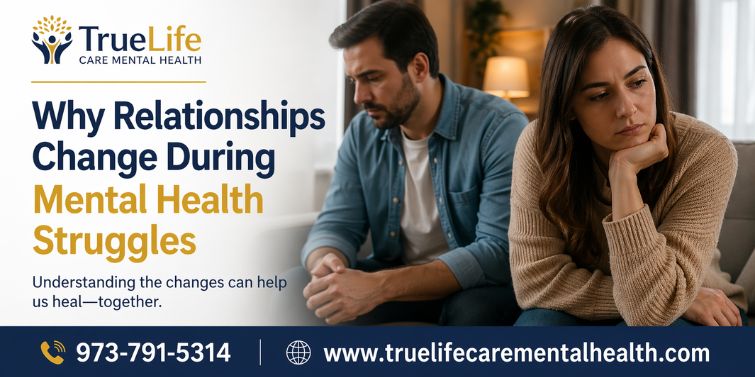
Mental health conditions can affect the way a person thinks, feels, speaks, and responds to others. A person may pull away, become short-tempered, stop sharing feelings, or find it hard to stay present. The people close to them may feel confused, hurt, or shut out.
That does not always mean the relationship is failing. It often means the relationship is under pressure.
Common signs of strain include:
Less communication
More conflict
Emotional distance
Trouble trusting each other
Withdrawal or isolation
Burnout for a partner or family member
When this goes on for a long time, both people may feel alone in the same relationship. One person feels overwhelmed by symptoms. The other feels pushed away. That is why rebuilding a relationship during treatment takes more than good intentions. It takes steady effort.
2. How Treatment Helps Rebuild Trust
Trust usually does not break in one moment. It often wears down little by little. A person may stop opening up. They may pull away, lash out, cancel plans, or become emotionally hard to reach. Over time, the other person may stop feeling secure in the relationship.
Treatment can help because it gives people space to understand what has been happening beneath the surface.
A person may begin to see how their mental health has affected the way they speak, react, or shut others out. They may notice patterns they missed before. They may also become more honest about the pain they caused unintentionally.
That kind of awareness matters, but trust is not repaired by insight alone. It starts to come back when behavior becomes steadier.
That may look like:
telling the truth even when it feels uncomfortable
following through on small promises
speaking with more care
respecting emotional limits
showing real effort in treatment
Most people do not need perfect words. They need steady actions. When someone begins to act in a more grounded and reliable way, trust can grow again.
At True Life Care Mental Health, this part of healing matters because treatment is not only about feeling better on your own. It is also about learning how to show up better for the people who matter.
3. Coping With Relationship Stress During Recovery
Coping with relationship stress during treatment is rarely simple. Even when people love each other, old pain can still surface. One person may want a fast change. The other may need more time. Both may carry fear, guilt, or resentment.
That is why coping with relationship stress takes patience and structure.
Helpful steps include:
Name The Stress Clearly
Say what feels wrong in direct language. Clear words reduce confusion.
Stay With One Issue
Do not bring every past hurt into one conversation. Focus helps people listen better.
Choose The Right Time
Hard talks usually go badly when people are already angry or exhausted.
Set Small Goals
Try to improve one pattern at a time rather than fix everything at once.
Accept Slow Progress
Repair takes time. A better relationship is built in small moments, not quick promises.
Coping with relationship stress also means knowing when to pause. Taking a break from a heated conversation can prevent more damage. Space is not always rejection. Sometimes it protects the relationship.

4. How Couples Therapy Can Help
Couples therapy can be useful when mental health struggles have created distance, repeated conflict, or a communication breakdown. It gives both people a place to speak honestly with guidance from a trained professional.
Couples therapy is not about deciding who is right. It is about understanding the unhealthy pattern both people are stuck in.
In couples therapy, partners may learn how to:
Listen without cutting each other off
Speak without blame
Share needs to be made clearer
Respond with more empathy
Set fair boundaries
Handle conflict with less damage
Many couples get trapped in the same painful cycle. One person shuts down. The other pushes harder. One becomes defensive. The other feels ignored. Couples therapy helps slow that cycle so both people can hear what is really being said.
For some people, couples therapy becomes a turning point because it changes the way hard conversations happen.
5. Emotional Connection In Relationships
Emotional connection in relationships is the sense of feeling understood, safe, and valued by another person. During a mental health struggle, that connection can weaken. People may still care deeply, but they stop feeling close.
Emotional connection in relationships often grows through small actions, not dramatic ones.
Helpful examples include:
Checking in each day
Listening without trying to control the talk
Saying how you feel in simple words
Apologizing when needed
Showing appreciation
Respecting emotional limits
Emotional connection in relationships becomes stronger when both people feel they can be honest without fear. That kind of safety helps closeness return more naturally.
6. Daily Habits That Support Healing
Relationships usually do not improve because of one deep conversation. Most of the time, they improve because people start handling everyday moments better.
That means the small things matter.
A calm check-in after a long day matters. A simple apology matters. Keeping your word matters. Listening without rushing to defend yourself matters. These are the things that slowly make a relationship feel safer again.
Some helpful habits include:
checking in with each other every day
being honest about mood and stress
speaking clearly instead of expecting the other person to guess
giving space when someone needs time to settle down
following through on simple promises
saying sorry without making excuses
showing appreciation in small ways
These habits are not dramatic, but they do a lot of work. They reduce tension. They make communication easier. They help both people feel less guarded.
This is also where many people struggle. They may want things to get better, but they fall back into old habits when stress rises. That is normal. Change often takes repetition.
At True Life Care Mental Health, this part of the process matters because healing is easier to hold onto when it becomes part of daily life, not just something discussed in a session.
Strengthening Family Ties During Mental Health Treatment
Mental health treatment can be a time to reconnect and grow closer as a family. With patience, open communication, and support, relationships can heal and strengthen. Small efforts each day can rebuild trust and create a more understanding, caring environment for everyone involved.
Get Started Now7. Why Mental Health Support Still Matters
Relationship repair does not happen just because two people care about each other. Care matters, but care alone is not always enough. Sometimes people want to reconnect, but they still do not know how to talk without arguing, shutting down, or hurting each other.
That is why ongoing mental health support matters.
It gives people tools they can keep using outside treatment sessions. It helps them understand their triggers, express themselves more clearly, and respond with less fear or anger. It also gives them a place to work through setbacks before those setbacks turn into bigger problems.
Helpful mental health support may include:
one-on-one therapy
couples therapy
family counseling
support groups
medication support when needed
stress management skills
Good mental health support also reminds people that healing is not always a straight line. Some weeks feel better. Some conversations still go badly. Some old pain may come back. That does not always mean treatment is failing. It often means more support is needed while new habits are still taking shape.
For many people, steady mental health support is what helps progress last. It gives structure, guidance, and a place to keep growing.
Conclusion
Rebuilding a relationship during mental health treatment is not quick, and it is not perfect. Still, it is possible. People can learn better ways to listen, speak, set boundaries, and reconnect after a difficult season. Coping with relationship stress takes time and honesty. Couples therapy can help when the same conflict keeps repeating. Emotional connection in relationships can grow again when both people feel safe enough to be real with each other. Strong mental health support can hold that progress together over time.
True Life Care Mental Health shows why healing is not only personal. It also reaches the relationships that shape daily life.
Healing a relationship takes patience, clear effort, and the willingness to keep showing care.
FAQs
1. Can Mental Health Treatment Help Fix Relationship Problems?
It can help a lot, especially when mental health has changed the way a person communicates, reacts, or handles stress. Treatment can help someone understand those patterns and start changing them. That can make the relationship feel more stable over time.
2. What Helps Most When Coping With Relationship Stress?
Slow things down. Talk about one issue at a time. Be clear instead of vague. Listen fully before responding. When coping with relationship stress, people usually do better when they stop trying to win the conversation and start trying to understand it.
3. When Should A Couple Try Couples Therapy?
Couples therapy can help when the same fights keep happening, when trust feels weak, or when both people care about the relationship but do not know how to move forward without more damage.
4. How Do You Rebuild Emotional Connection After A Hard Time?
It usually starts with simple, repeated actions. Honest talks help. So does listening well, being more open, and responding with care. Emotional connection in relationships often returns slowly once people feel safe with each other again.
5. Why Is Mental Health Support Important During Relationship Repair?
Because relationship stress can bring up fear, anger, guilt, and old pain, good mental health support helps people manage those feelings better instead of acting out on them. It also gives both people a steadier path through the hard parts.
6. Can A Relationship Get Better After Months Or Years Of Stress?
Yes, it can. It may take time, and the process may feel uneven, but many relationships do improve. What matters most is honest effort, better communication, and the right mental health support along the way.