
Understanding Short Term Residential Mental Health Treatment
When we discuss short term residential mental health, we are describing a specialized level of clinical care designed for individuals who require more than weekly therapy but do not necessarily need the restrictive environment of a locked psychiatric ward. This level of care prioritizes immediate stabilization, safety, and intensive therapeutic intervention. Unlike traditional outpatient therapy, where a patient might see a counselor for one hour a week, residential care provides 24/7 supervision and support. This constant clinical presence is vital for those navigating a psychiatric emergency or a significant, debilitating dip in their mental well-being.
The environment of a high-quality residential facility is a “non-hospital” setting. This distinction is critical to the healing process because it shifts the focus from purely clinical crisis management to a more holistic, healing-oriented atmosphere. While residents receive medical and psychiatric oversight from licensed professionals, they live in a residence that feels more like a home than a sterile hospital ward. This setting helps reduce the stigma and stress often associated with seeking help, making it easier for individuals to focus on going to rehab for mental health and what to expect. By removing the clinical coldness of a hospital, patients often feel more empowered to engage in their own recovery journey. For a broader overview of how residential services fit into the continuum of care, this level of treatment is often used as a bridge between acute crisis services and outpatient support.
Defining Short Term Residential Mental Health Care
Technically, “short-term” is defined as a program lasting less than 30 days. The duration is highly individualized based on the patient’s specific needs and clinical progress. Some stays are as brief as 3 to 5 days for crisis stabilization, where the primary goal is to ensure the person is safe and medically stable. Other stays may span 14 to 28 days to allow for deeper diagnostic work, intensive therapy, and complex medication adjustments that require close monitoring.
The primary goals of this treatment phase include:
- Safety Planning: Ensuring the individual is no longer a risk to themselves or others and has a concrete plan for maintaining safety after discharge.
- Symptom Reduction: Managing acute episodes of schizophrenia, major depression, or mania through a combination of therapy and medication.
- Stabilization: Providing a clinical “reset” so the patient can successfully transition to a partial hospitalization program or other lower levels of care.
- Diagnostic Clarity: Utilizing the 24/7 observation period to gain a clearer understanding of the patient’s condition, which is often difficult in brief outpatient visits.
For many, a short-term residential program acts as a vital bridge, preventing the need for long-term institutionalization while providing significantly more security and structure than a home environment can offer during a period of acute crisis.
Residential vs. Inpatient Hospitalization
It is common for families to confuse residential care with acute inpatient hospitalization, but they serve different purposes in the continuum of care. Inpatient hospitalization is typically reserved for the most acute psychiatric emergencies-often involving locked units, involuntary admissions, and a primary focus on medical stabilization and immediate safety. Residential care, while still providing intensive clinical support, is usually voluntary and offers more freedom, a broader range of holistic therapies, and a focus on long-term skill building.
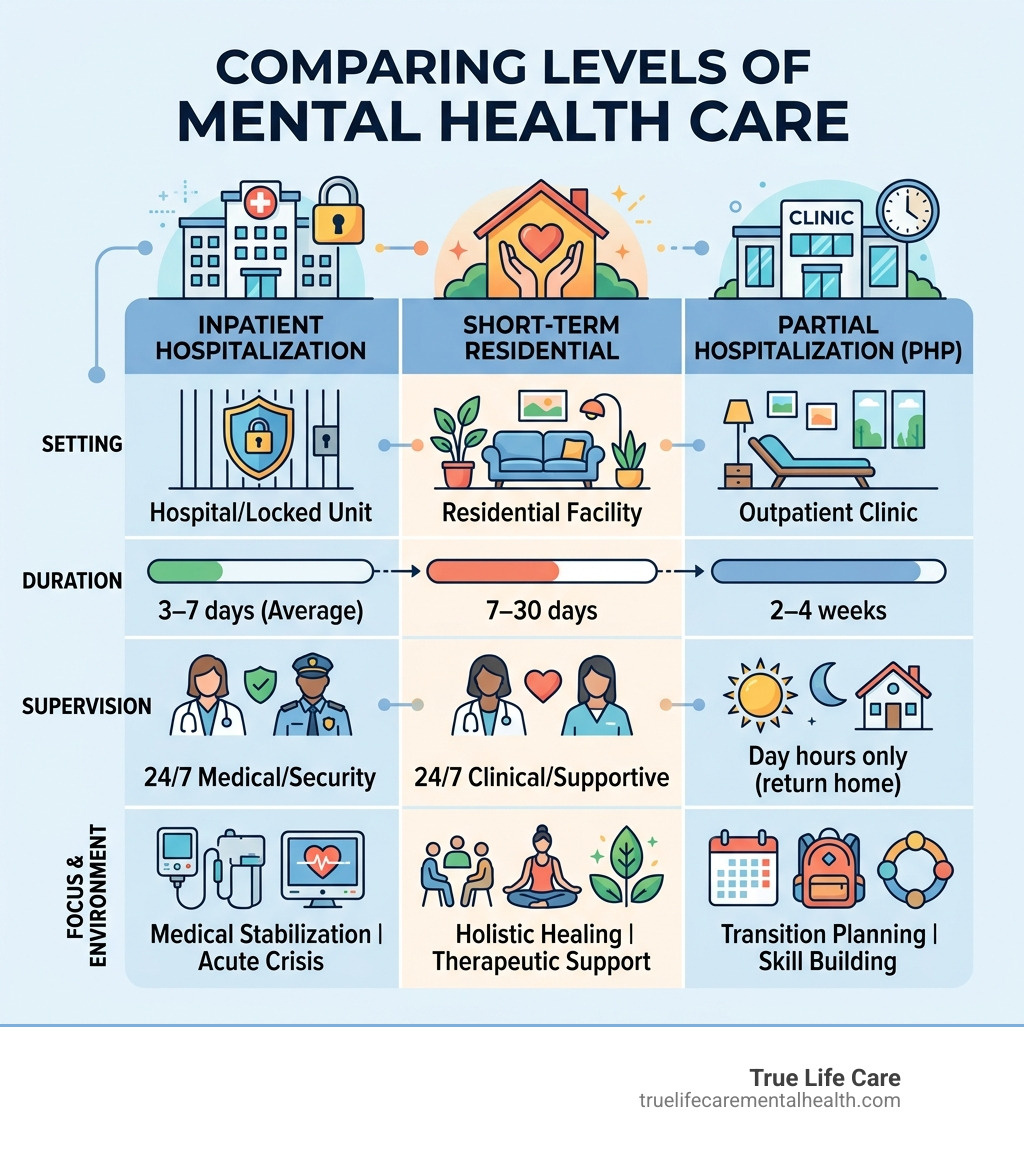
| Feature | Inpatient Hospitalization | Short-Term Residential | Partial Hospitalization (PHP) |
|---|---|---|---|
| Setting | Hospital/Locked Unit | Residential Facility | Outpatient Clinic |
| Duration | 3-7 days (Average) | 7-30 days | 2-4 weeks |
| Supervision | 24/7 Medical/Security | 24/7 Clinical/Supportive | Day hours only (return home) |
| Primary Goal | Crisis Stabilization/Safety | Intensive Therapy/Diagnosis | Skill Building/Transition |
| Admission | Voluntary or Involuntary | Mostly Voluntary | Voluntary |
Understanding outpatient vs inpatient mental health care for adults and what the difference is is key to choosing the right path for yourself or a loved one. For those who are not in immediate, life-threatening danger but cannot function effectively at home or in their community, residential care provides the “happy medium” of safety, intensive treatment, and a supportive community environment.
Core Components of Healing and Group Therapy

At the heart of any successful short term residential mental health program is the power of group therapy. We believe that true healing happens in community. Mental illness, particularly severe depression or schizophrenia, often thrives in isolation. When individuals realize they are not alone in their struggles, the walls of isolation begin to crumble, allowing for genuine connection and growth. Group therapy provides a safe space to practice social skills, receive peer feedback, and gain perspective from others who are on a similar journey.
Our multidisciplinary teams—which include board-certified psychiatrists, psychiatric nurse practitioners, licensed clinical social workers, and peer support specialists—work together to create a robust, structured daily schedule. This structure is essential for those who have lost their sense of routine or purpose due to mental illness. A typical day in our residential program is designed to engage the mind, body, and spirit, including:
- Morning Mindfulness: Starting the day with meditation or grounding exercises to set a positive tone.
- Psychoeducational Groups: Learning about the biological and psychological aspects of mental health conditions.
- Process Groups: Sharing personal experiences and working through emotional challenges in a supportive setting.
- Individual Therapy: One-on-one sessions with a primary therapist to dive deeper into personal history and goals.
- Medication Management: Regular check-ins with psychiatric providers to ensure medications are effective and side effects are minimized.
- Holistic Activities: Engaging in art therapy, yoga, or fitness to promote physical wellness and creative expression.
Specialized Treatment for Schizophrenia and Depression
We place a high priority on treating complex conditions like schizophrenia and major depressive disorder. For those dealing with schizophrenia, a residential stay allows for “extended observation.” This helps our team get an accurate diagnostic picture, which is often difficult to achieve in a standard 15-minute outpatient psychiatrist visit. We can monitor how medications like Clozapine or other antipsychotics are working in real-time, providing immediate support during episodes of psychosis or managing the “negative symptoms” of the disorder, such as social withdrawal or lack of motivation. Our inpatient behavioral health services are tailored to the unique needs of those with thought disorders.
For depression, the focus is on mood regulation, safety, and cognitive restructuring. Research shows that the Northeast region, including New Jersey, faces significant challenges with mental wellness access. In our facilities, we provide inpatient care for depression 101 which includes intensive inpatient psychiatric care and a depression guide for long-term management. We help residents identify the root causes of their depressive episodes and develop the resilience needed to manage them in the future.
Therapeutic Modalities: CBT, DBT, and Holistic Care
We utilize evidence-based practices to ensure our residents gain actual, tangible tools they can use after discharge. These modalities are the gold standard for modern mental health treatment:
- Cognitive Behavioral Therapy (CBT): This helps residents identify and change negative thought patterns that lead to distressing emotions and behaviors. It is particularly effective for anxiety and depression.
- Dialectical Behavior Therapy (DBT): Crucial for emotional regulation and distress tolerance. DBT is highly effective for individuals with borderline personality traits, chronic suicidal ideation, or intense emotional volatility.
- Holistic Care: We don’t just treat the diagnosis; we treat the whole person. This includes nutritional support, mindfulness, exercise, and creative outlets that help residents rediscover their passions.
For those struggling with the aftermath of trauma, inpatient treatment for PTSD integrates these modalities to help residents reclaim a sense of safety and grounding. By addressing the nervous system’s response to trauma, we help individuals move past their triggers and toward a life of peace.
Who is the Ideal Candidate for Short-Term Care?
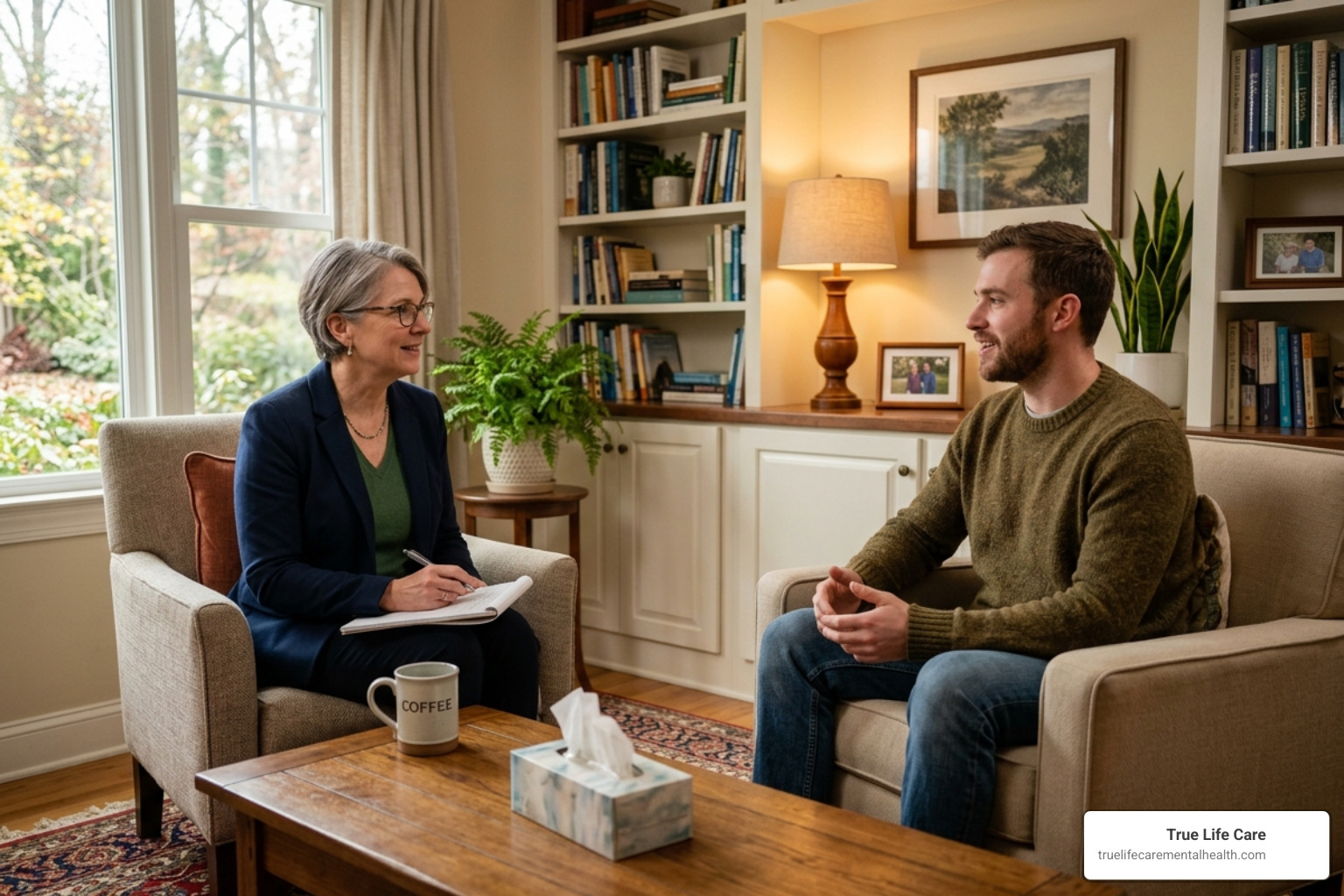
Not everyone needs residential care, but for some, it is a literal lifesaver. The ideal candidate for short term residential mental health is an adult who is experiencing a level of distress that cannot be safely or effectively managed in an outpatient setting. We look for specific indicators that a higher level of care is necessary:
- Functional Impairment: The individual can no longer manage the basic demands of daily life, such as maintaining employment, attending school, or performing basic self-care and hygiene.
- Treatment Resistance: They have tried various outpatient therapies and medications, but their symptoms are not improving, or they are experiencing a rapid decline despite professional help.
- High-Risk Behaviors: They are engaging in self-harm, substance abuse as a coping mechanism, or other impulsive behaviors that put their long-term safety and health at risk.
- Decompensation: They are showing signs of a mental breakdown—such as increased paranoia, withdrawal, or inability to communicate—and need a controlled, supportive environment to prevent a full-scale psychiatric emergency.
For those managing complex mood disorders, inpatient bipolar disorder rehab provides the necessary stabilization to manage the “highs” of mania and the “lows” of depression before they lead to catastrophic life consequences like financial ruin or relationship dissolution.
Identifying the Need for Short Term Residential Mental Health
Sometimes the home environment itself is the primary obstacle to recovery. If a person lives in a high-stress household, lacks a reliable support system, or is surrounded by triggers, it is nearly impossible to achieve lasting healing. Residential care removes the person from those external stressors, providing a “neutral ground” where they can focus entirely on their own recovery without the distractions of daily life.
It is also an excellent “step-down” option. If someone has just been discharged from an acute inpatient unit or a state hospital, jumping straight back into the pressures of normal life can be overwhelming and often leads to relapse. A short-term residential stay acts as a transitional phase, providing a structured environment that gradually prepares the individual for a partial hospitalization program and eventual reintegration into their community.
Addressing Dual Diagnosis and Co-occurring Disorders
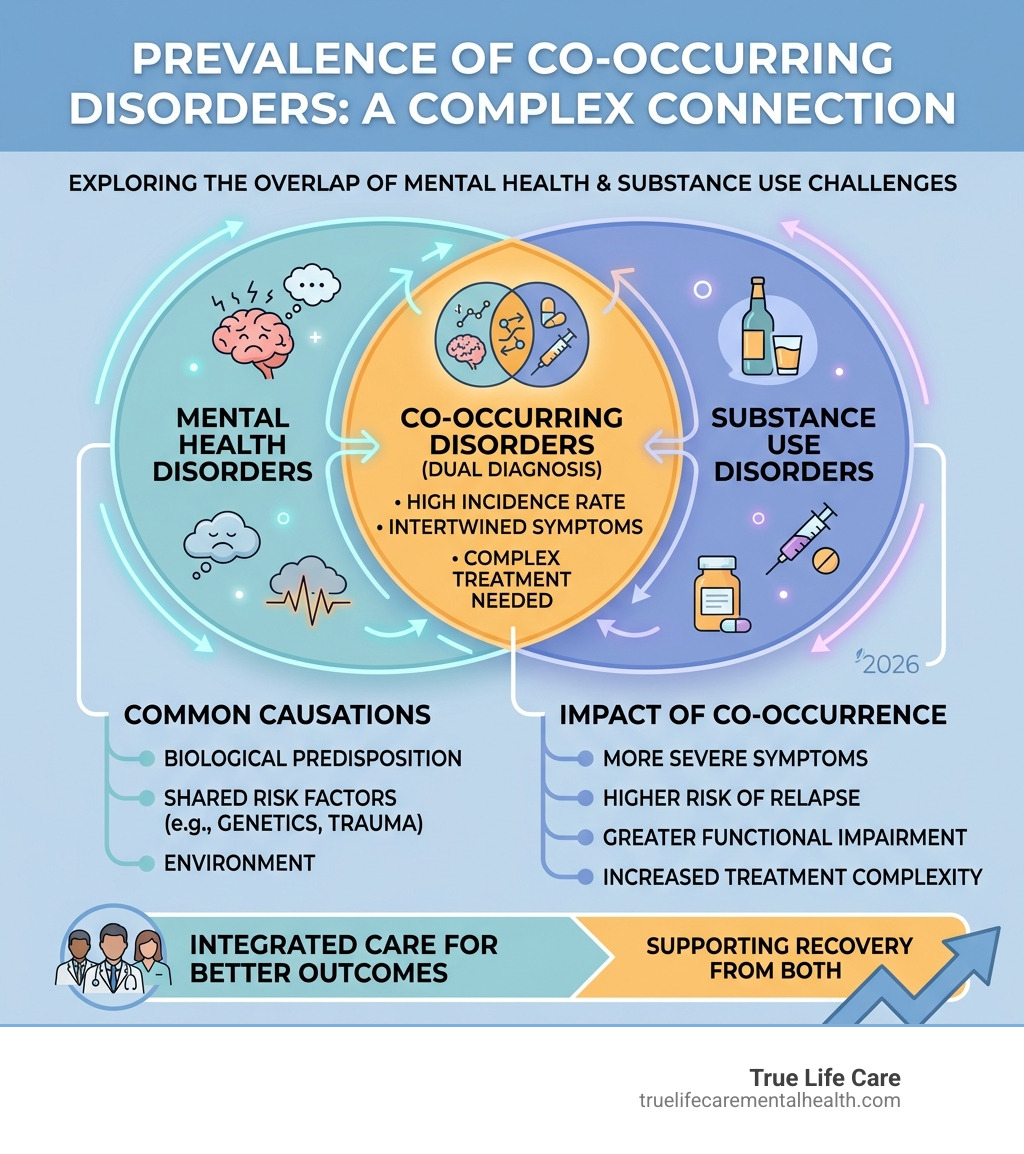
Statistics show that nearly 50 percent of individuals with a substance use disorder also experience a co-occurring mental health disorder. Furthermore, an estimated 85% of individuals with addiction are also dealing with an underlying mental illness like depression, anxiety, or PTSD.
In a short-term residential setting, we treat both the mental health condition and the substance use disorder simultaneously. Treating addiction without addressing the underlying psychological pain is like trying to fix a leaky pipe with tape—it simply won’t hold. Our integrated approach ensures that both the mental health symptoms and the substance use triggers are addressed in tandem by a multidisciplinary team. This holistic view of the patient is what leads to long-term success and prevents the “revolving door” of treatment centers.
Navigating Admissions, PPO Insurance, and NJ Locations

Starting the journey toward recovery can feel like facing a mountain of paperwork and logistical hurdles, but our goal is to make the process as seamless and stress-free as possible. The intake process for short term residential mental health usually begins with a comprehensive clinical assessment. This isn’t just a “check-the-box” interview; it’s a deep dive into your medical history, previous treatment experiences, current symptoms, and personal goals for the future.
We understand that the cost of care is a major concern for families. To be clear: True Life Care is an out-of-network provider and we accept PPO plans. This status allows us to maintain a high standard of personalized care, offer a wider range of therapeutic modalities, and keep a low staff-to-patient ratio. Our dedicated intake coordinators work directly with your insurance company to verify benefits, explain coverage, and minimize any financial surprises. This allows you and your family to focus on what truly matters—getting better and reclaiming your life.
Finding Short Term Residential Mental Health Facilities Near Me
If you are looking for top inpatient mental health facilities in NJ to consider, location is a significant factor. Being close to home can be a vital part of the healing process, especially when it comes to family therapy sessions and planning for life after treatment.
True Life Care serves residents across a wide range of New Jersey locations, providing expert care to communities in:
- Monmouth County (Matawan, NJ): Our Matawan location is specifically equipped to help local residents during psychiatric emergencies, providing a high-quality alternative to distant state facilities.
- Bergen, Hunterdon, and Mercer Counties
- Middlesex, Morris, and Passaic Counties
- Sussex and Warren Counties
- Specific towns: Including Boonton, Chester, Clifton, Clinton, Fair Lawn, Lake Hopatcong, Montville, Morris Plains, and Ringwood.
Our presence in these communities ensures that high-level psychiatric care is accessible to those who need it most, right in their own backyard.
The Discharge and Aftercare Planning Process
Healing doesn’t end when you leave our residential facility. In fact, the discharge plan is just as important as the initial treatment plan. Before you leave, our clinical team works with you to create a comprehensive “roadmap for success.” This plan is designed to prevent relapse and ensure you have the support you need to maintain your progress. This often includes:
- Referrals to a partial hospitalization program for mental health for continued daytime support.
- Scheduled appointments with outpatient psychiatrists and therapists in your local area.
- Connections to local support groups and community resources.
- Relapse prevention strategies tailored to your specific triggers and environment.
We also help families explore alternatives to partial hospitalization program (PHP) treatment options to ensure the level of care matches the individual’s ongoing progress and lifestyle needs.
Frequently Asked Questions about Residential Care
How long does a typical short-term stay last?
Stays are individualized based on clinical need and progress. A crisis stabilization stay may last 3 to 5 days to ensure immediate safety. A more comprehensive stay for diagnostic clarity or medication adjustment typically lasts 14 to 30 days. We follow clinical recommendations to ensure you aren’t rushed out before you’re ready, but we also aim to get you back to your life as quickly as is clinically safe.
What services are included in a short-term program?
Our programs are all-inclusive to provide a seamless healing experience. This includes your room and board, 24/7 clinical supervision, comprehensive psychiatric evaluations, daily medication management, individual therapy, and at least five group therapy sessions per day. We also provide holistic therapies like yoga and art therapy, as well as comprehensive aftercare planning.
Are dual diagnosis treatments available in short-term settings?
Yes. We specialize in treating co-occurring disorders. Our multidisciplinary approach ensures that you receive medical support for substance use issues alongside intensive psychotherapy for your mental health condition. We believe that treating both simultaneously is the only way to achieve lasting wellness.
Can my family be involved in my treatment?
Absolutely. We believe family involvement is a cornerstone of long-term recovery. We offer family therapy sessions and educational resources to help your loved ones understand your condition and learn how to support you effectively after you return home.
What should I bring to a residential facility?
We recommend bringing comfortable clothing, personal hygiene items (alcohol-free), and any current medications in their original bottles. We provide a detailed packing list during the intake process to ensure you have everything you need for a comfortable stay.
Conclusion
At True Life Care, we understand that reaching out for help is often the most difficult step in the entire recovery process. Whether you are battling the overwhelming fog of depression, the confusion of schizophrenia, or the chaos of a dual diagnosis, you do not have to face these challenges alone. Our short term residential mental health programs are meticulously designed to provide the safety, structure, and expert psychiatric care you need to turn the tide and begin your journey toward wellness.
If you or a loved one are in the midst of a psychiatric emergency or a mental health crisis, let us help you find your way back to a life of purpose and stability. From our Matawan, NJ location in Monmouth County to our programs across Morris, Passaic, and Bergen counties, we are here to support the New Jersey community with compassionate, evidence-based care. We are an out-of-network provider and accept PPO plans to ensure you receive the highest quality of personalized treatment.
For more information on our services and how we can help you achieve long-term recovery, visit our mental health treatment New Jersey page or contact our admissions team today. Your journey to a better, healthier life starts here.