
When Depression and Anxiety Don’t Get Better on Their Own: What You Need to Know About Inpatient Care
An inpatient facility for depression and anxiety is a highly structured, residential treatment setting where individuals receive round-the-clock psychiatric care, intensive therapy, and medical support—all under one roof. If you’re trying to figure out whether this level of care is right for you or someone you love, it is important to understand that this is the most intensive form of mental health treatment available. It is designed for those who require a safe, controlled environment to stabilize and begin the deep work of healing. Unlike outpatient settings, an inpatient facility provides a therapeutic milieu where every interaction and activity is designed to promote neuroplasticity and emotional regulation. This immersive environment is essential for breaking the cycle of chronic despair and physiological hyperarousal that characterizes severe mood and anxiety disorders.
What an inpatient mental health facility provides:
- 24/7 Psychiatric and Nursing Support: Continuous monitoring to ensure safety and medical stability, especially during medication adjustments or acute crises.
- Individualized Treatment Plans: Comprehensive strategies combining intensive psychotherapy and expert medication management tailored to the individual’s unique neurochemistry.
- Evidence-Based Approaches: Utilization of Cognitive Behavioral Therapy (CBT), Dialectical Behavior Therapy (DBT), and Acceptance and Commitment Therapy (ACT) tailored to severe, treatment-resistant symptoms.
- A Safe, Structured Environment: A sanctuary removed from everyday stressors, toxic environments, and the isolation of home life that often exacerbates mental health decline.
- Crisis Stabilization: Immediate intervention for suicidal ideation, self-harm risk, or acute psychiatric emergencies that cannot be managed in a community setting.
- Holistic Therapies: Integration of yoga, art therapy, nutritional counseling, and mindfulness to treat the whole person, addressing the somatic symptoms of anxiety and depression.
Who typically needs inpatient care:
- Treatment-Resistant Individuals: People whose symptoms haven’t responded to traditional outpatient therapy or multiple medication trials over an extended period.
- High-Risk Patients: Individuals experiencing persistent suicidal thoughts, self-harm urges, or a lack of a viable safety plan in their current living situation.
- Functional Impairment: Those struggling with severe isolation, psychosis, or an inability to manage basic daily functioning like hygiene, nutrition, and sleep hygiene.
- Co-occurring Disorders: People dealing with complex dual diagnoses, such as Major Depressive Disorder paired with substance use or personality disorders.
Depression is far more than persistent sadness—it is a systemic biological condition that affects the brain’s executive function. Anxiety is far more than everyday worry; it is a chronic state of nervous system dysregulation. Together, these conditions can quietly dismantle a person’s ability to work, maintain relationships, and find meaning in daily life. As we look toward 2026, mental health trends show an increasing need for specialized, residential-style care that addresses the complexities of modern trauma and treatment-resistant conditions. Over 21 million Americans experienced a major depressive episode in the past year alone, and depression remains the leading cause of disability worldwide, affecting more than 300 million people globally. The need for an inpatient facility for depression and anxiety has never been more critical as the prevalence of “deaths of despair” continues to rise across the United States.
For many people in New Jersey—including those in Monmouth County and the surrounding areas—outpatient therapy and medication are meaningful first steps. But when those steps aren’t enough, an inpatient or residential program can offer the intensive, structured support that makes real recovery possible. At True Life Care, we understand that reaching this point doesn’t mean failure. It means you’re ready for a deeper level of care—and that takes immense courage. Our facility, located in Matawan, NJ, serves adults across Monmouth County and beyond, offering group therapy, individualized psychiatric treatment, and holistic healing in a supportive environment. It is important to note that True Life Care is an out-of-network provider. We exclusively accept PPO plans, which allows us to maintain a high standard of personalized care and clinical depth. Our admissions team can help verify your benefits to ensure you receive the specialized attention you deserve.
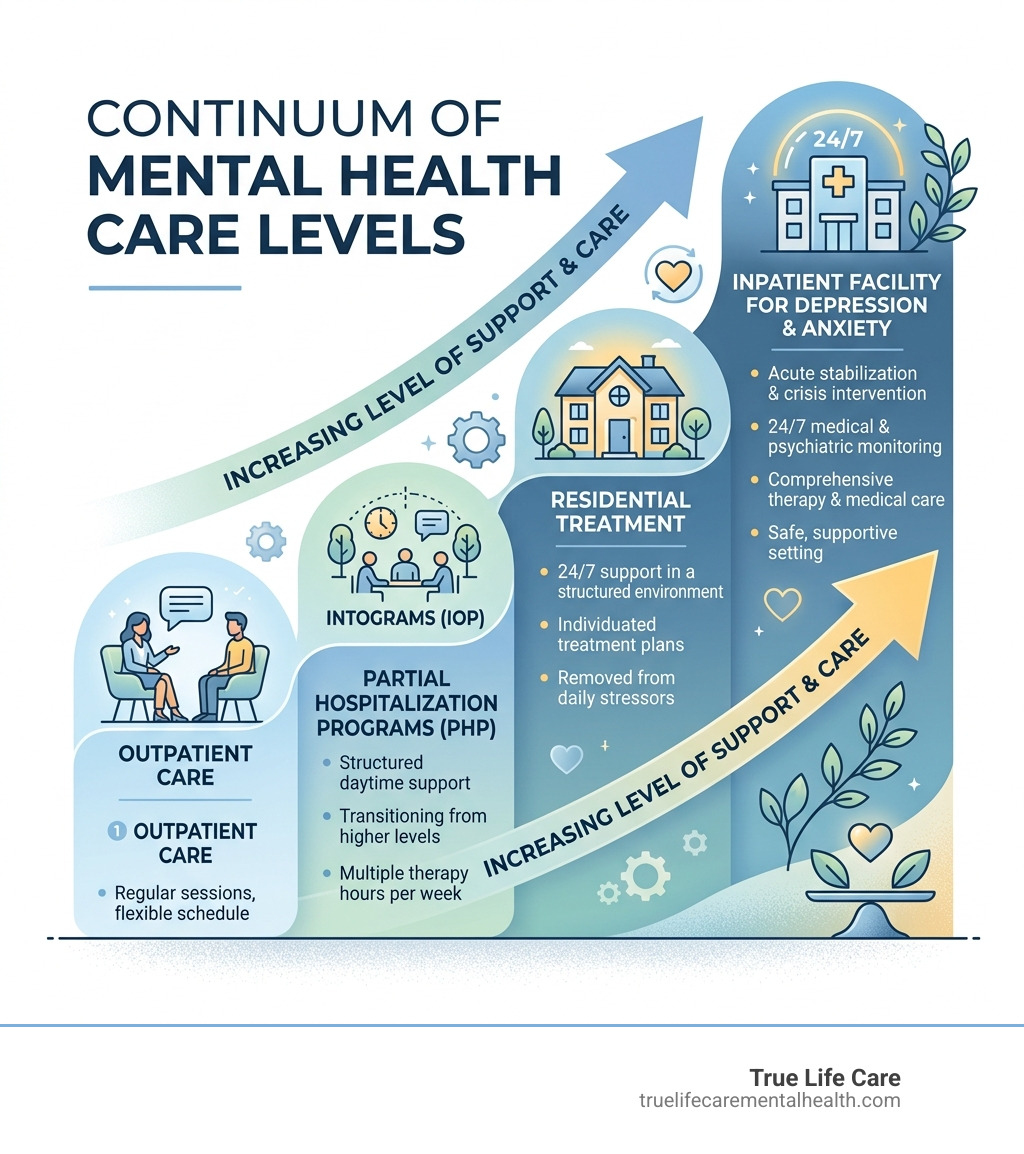
Simple guide to inpatient facility for depression and anxiety terms:
Tip 1: Understanding When an Inpatient Facility for Depression and Anxiety is Necessary
Deciding to enter an inpatient facility for depression and anxiety is a major life decision, but for many, it is the turning point that saves their life. While outpatient therapy is excellent for managing mild to moderate symptoms, certain “red flags” indicate that a higher level of care is required. Psychiatric emergencies are the most common reason for admission. If you or a loved one are experiencing suicidal ideation—meaning thoughts of ending your life or a plan to do so—immediate stabilization is required. In New Jersey, the weight of untreated mental illness can lead to devastating outcomes, making rapid intervention essential. The goal of inpatient care is to provide a “circuit breaker” for the brain, allowing the individual to step away from the triggers that maintain their illness.
Beyond immediate safety risks, inpatient care is often recommended when “traditional” methods have failed. This might include:
- Failed Medications: You’ve tried multiple antidepressants or anti-anxiety meds, but none have provided relief or the side effects have been unmanageable. This often requires a controlled environment for “wash-out” periods and the introduction of new pharmacological protocols.
- Severe Isolation: You have completely withdrawn from friends and family and find it impossible to perform daily tasks like showering, eating, or leaving the house. This level of withdrawal often indicates a shutdown of the prefrontal cortex, requiring intensive clinical intervention.
- Crisis Stabilization: You are in a state of constant panic, emotional “shutdown,” or severe agitation that makes living at home unsafe or unmanageable. Chronic hyper-arousal can lead to physical health complications, making 24/7 medical monitoring necessary.
For more detailed insights, you can explore Inpatient Psychiatry Services or read our Inpatient Care For Depression 101 guide.
Identifying Severe Symptoms and Psychiatric Emergencies
A psychiatric emergency isn’t always as obvious as a physical injury, but it is just as urgent. At an inpatient facility for depression and anxiety, we look for specific indicators that a person can no longer safely manage their condition in the community. Safety planning is a core component of this. If a person cannot commit to a safety plan (an agreement to stay safe and reach out for help), inpatient care provides the 24/7 supervision needed to prevent self-harm. Acute psychosis—where a person loses touch with reality, experiences hallucinations, or holds delusional beliefs—also requires the intensive monitoring found in a hospital or residential setting. These symptoms often emerge when depression or anxiety reaches a critical mass, overwhelming the brain’s ability to process information correctly. For those navigating these high-stakes moments, our Inpatient Psychiatric Care Depression Guide offers a roadmap for what comes next.
Specialized Care for Schizophrenia in an Inpatient Facility for Depression and Anxiety
While many seek help for mood disorders, an inpatient facility for depression and anxiety often provides essential services for schizophrenia and other psychotic disorders. Schizophrenia requires a highly specialized approach that combines medical stabilization with cognitive support. In a residential setting, we can focus on the nuances of the condition that outpatient care often misses. This includes:
- Antipsychotic Titration: Finding the right dosage of medication under constant medical supervision to minimize side effects and maximize symptom control. This is critical for preventing the “revolving door” of hospitalizations.
- Cognitive Remediation: Using specialized exercises to improve memory, attention, and problem-solving skills that are often impacted by schizophrenia. These cognitive deficits are often the primary barrier to independent living.
- Symptom Management: Helping residents recognize the early signs of a “break” and teaching them coping mechanisms to manage auditory or visual hallucinations. This empowers the individual to regain a sense of agency over their mind.
- Social Skills Training: Re-engaging with others in a safe environment to reduce the profound isolation often associated with psychotic disorders. Group dynamics in a residential setting provide a laboratory for practicing social interaction without the fear of judgment.
Tip 2: Evaluating Evidence-Based and Holistic Treatment Modalities
One of the biggest benefits of a modern inpatient facility for depression and anxiety is the access to a “buffet” of treatments that work together to heal the whole person. We don’t just rely on one type of therapy; we blend clinical science with holistic wellness to address the biological, psychological, and social aspects of mental health. This multi-modal approach is essential because depression and anxiety are rarely isolated issues; they are often intertwined with trauma, personality traits, and physiological imbalances. By addressing these factors simultaneously, we can achieve more sustainable outcomes than through medication alone.
Evidence-based therapies are the foundation of any reputable program. These include:
- Cognitive Behavioral Therapy (CBT): Identifying and changing the negative thought patterns and “cognitive distortions” that fuel depression and anxiety. CBT helps patients recognize the “lies” their brain tells them during a depressive episode.
- Dialectical Behavior Therapy (DBT): Learning emotional regulation, mindfulness, and distress tolerance skills—essential for managing severe anxiety, PTSD, and borderline personality traits. DBT is particularly effective for those who experience intense emotional volatility.
- Medication Management: Having a psychiatrist available daily to adjust prescriptions in real-time based on your progress and physiological response. This allows for a level of precision that is impossible in an outpatient setting where appointments are weeks apart.

Beyond the clinical, holistic therapies play a massive role in recovery. Yoga, art therapy, and mindfulness help reconnect the mind and body, which is especially important for those dealing with trauma. Trauma is often stored in the body as physical tension or chronic pain; holistic modalities help release this stored energy. You can learn more about these integrated approaches in our resource on Inpatient Treatment For Ptsd.
The Role of Group Therapy and Peer Support in Healing
Isolation is the fuel that keeps depression and anxiety burning. In an inpatient facility for depression and anxiety, group therapy is often the most transformative part of the day. There is a unique power in sitting in a circle with others who truly understand the weight of your struggle. This shared vulnerability breaks the stigma and shame that often accompany mental illness. Group sessions focus on:
- Social Skills: Re-learning how to interact with others after months or years of isolation. This includes practicing active listening and assertive communication.
- Shared Experience: Realizing that your thoughts of worthlessness or panic are symptoms of a condition, not a reflection of your character. This realization is often the first step toward self-compassion.
- Interpersonal Effectiveness: Learning how to set boundaries and communicate needs clearly to family and friends. These skills are vital for maintaining health after discharge.
Our Inpatient Behavioral Health programs prioritize these connections to ensure you don’t feel alone in your journey. Peer support fosters a sense of community that is often missing in traditional outpatient settings, creating a network of accountability and encouragement.
Advanced Interventions: TMS, ECT, and Ketamine
For treatment-resistant depression—where traditional medications haven’t worked—modern facilities offer advanced neurobiological interventions. These are not “last resorts” but rather highly effective tools for rapid stabilization and neuroplasticity. They work by targeting the brain’s electrical and chemical pathways directly.
- TMS (Transcranial Magnetic Stimulation): A non-invasive procedure that uses magnetic fields to stimulate nerve cells in the brain regions involved in mood control. It is particularly effective for those who cannot tolerate the side effects of oral medications.
- ECT (Electroconvulsive Therapy): Modern ECT is a safe, painless, and highly effective treatment for severe, treatment-resistant depression, performed under general anesthesia. It remains the gold standard for rapid relief from catatonic depression or acute suicidality.
- Ketamine/Spravato: Rapid-acting treatments that can provide relief from suicidal thoughts and deep depression within hours or days rather than weeks, helping to “reset” neural pathways and promote the growth of new synaptic connections.
Tip 3: Navigating Insurance and Admissions for Inpatient Care
The administrative side of mental health care can feel overwhelming, especially when you’re already struggling with the cognitive fog of depression. However, understanding your options can make the process much smoother. At True Life Care, we are an out-of-network provider and exclusively accept PPO plans. This distinction is crucial; it allows us to maintain a high standard of personalized care, a low patient-to-staff ratio, and the flexibility to provide the specific treatments you need without the restrictions often found in HMO networks. By operating as an out-of-network provider, we can focus entirely on clinical outcomes rather than insurance-mandated limitations.
The admission process usually begins with a confidential clinical assessment. This can be done over the phone or in person to determine if an inpatient facility for depression and anxiety is the right level of care. During this assessment, we look at your clinical history, current symptoms, and previous treatment attempts. For those looking for residential options in specific areas, directories like Psychiatric Residential Treatment Centers in Mercer County, NJ can be a helpful starting point. You can also read our guide on Insurance Coverage For Inpatient Mental Health Treatment.
What to Expect During Admission to an Inpatient Facility for Depression and Anxiety
When you arrive at an inpatient facility for depression and anxiety, the goal is to make you feel safe, welcomed, and respected. The “intake” process is designed to be as stress-free as possible while ensuring all safety protocols are met. It involves:
- Medical Screening: A thorough check of your physical health, vitals, and any immediate medical needs. This ensures that any physical symptoms of your mental health condition are addressed immediately.
- Personal Belongings Search: This is a standard safety protocol to ensure no prohibited items (like sharp objects or certain medications) enter the unit, protecting all residents and staff. We provide a list of recommended items to bring to ensure your comfort.
- Orientation: You’ll be shown your room, introduced to your treatment team, and given a schedule of daily activities, including therapy sessions, meals, and recreational time. Having a predictable routine is one of the first steps in reducing anxiety.
For a deeper dive into the logistics, check out 5 Things You Need To Know Before Inpatient Mental Health Nj.
Accessing Care in Monmouth County and Matawan NJ
We are proud to serve the New Jersey community, with a specific focus on helping Monmouth County residents at our Matawan NJ location. Having a local facility means that families can be more involved in the healing process through family therapy and visitation, which is often crucial for long-term success. Our Matawan location is equipped to assist during psychiatric emergencies, providing a local lifeline for those in Clifton, Fair Lawn, Lake Hopatcong, and surrounding areas. Whether you are in Sussex County or Passaic County, our team is ready to help you navigate the path to recovery. We understand the unique stressors of living in the tri-state area and tailor our programs to meet the needs of our local community.
Tip 4: Addressing Co-occurring Disorders and Dual Diagnosis
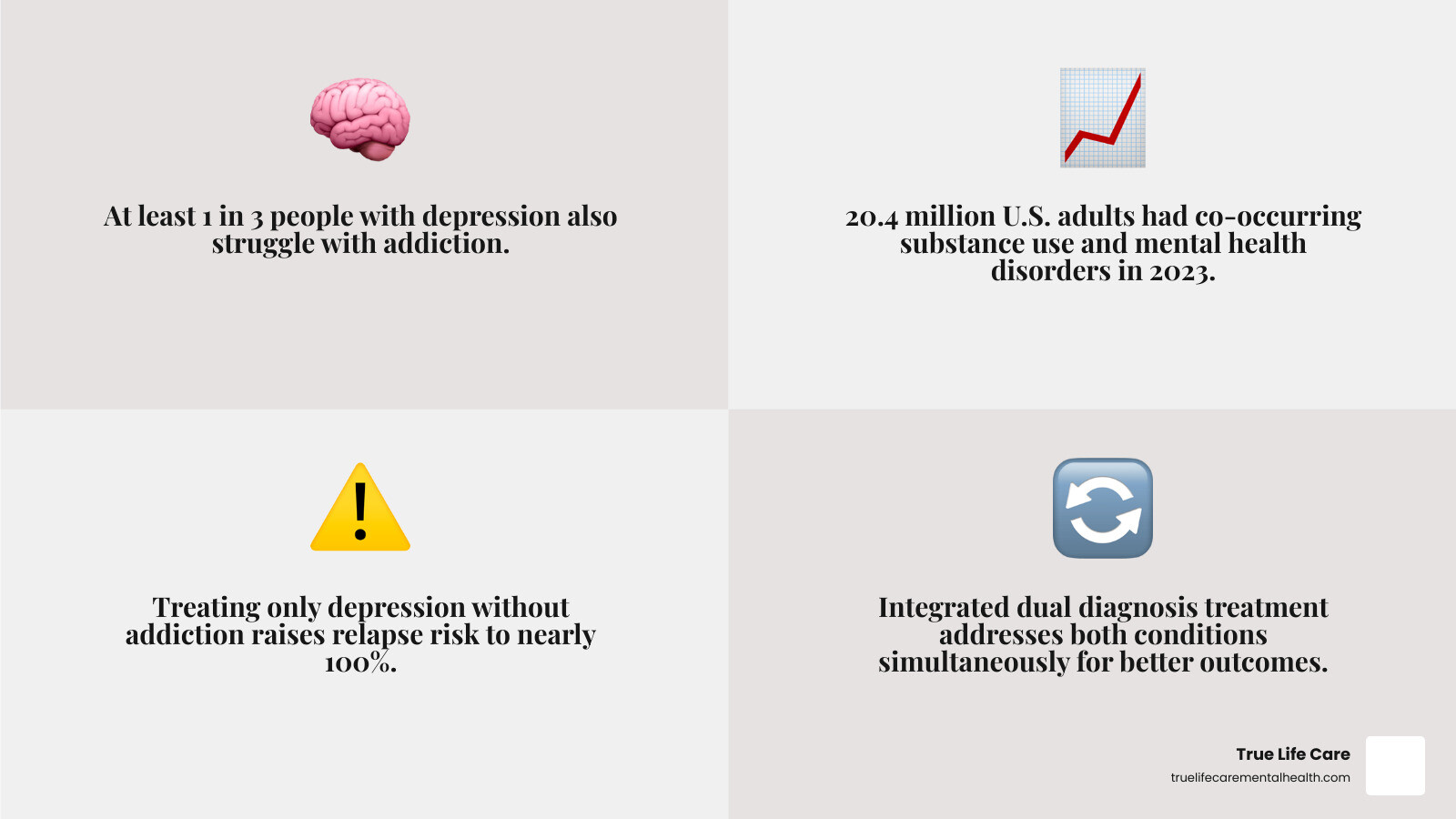
It is incredibly common for depression and anxiety to travel with a “plus one.” Statistics show that at least one-third of people with depression also struggle with addiction. Around 20.4 million American adults had a co-occurring substance use disorder and mental health disorder in 2023. An effective inpatient facility for depression and anxiety must be a “Dual Diagnosis” facility. This means we treat the addiction and the mental health disorder simultaneously. If you only treat the depression but ignore the alcohol use, the risk of relapse is nearly 100%. Conversely, if you treat the addiction but leave the underlying anxiety unaddressed, the person will likely return to substances to cope with their emotional pain. This integrated approach is the only way to achieve lasting sobriety and mental wellness.
For more information on how we handle these complex cases, see our resources on Inpatient Bipolar Disorder Rehab and Morris County Depression Treatment Centers.
Managing Addiction Alongside Depression and Anxiety
In an integrated program, your day will include both mental health therapy and addiction-specific support. This ensures that both conditions are addressed as part of a single, cohesive treatment plan. This includes:
- Medical Detox: Safely withdrawing from substances under 24/7 nursing care to manage withdrawal symptoms and prevent medical complications. This is the foundation of the recovery process.
- Relapse Prevention: Identifying the specific “triggers” (like a panic attack or a depressive episode) that lead you to use substances. We teach you healthy coping mechanisms to replace the use of drugs or alcohol.
- 12-Step or Alternative Support: Connecting with a community of others in recovery to build a foundation for sobriety. We offer various pathways to recovery, including SMART Recovery and Refuge Recovery, to suit individual preferences.
You can find out more about these combined programs at Can You Go To Rehab For Mental Health Find Out Now.
Specialized Programs for Adolescents and Young Adults
The needs of a young person struggling with anxiety are very different from those of an adult. Their brains are still developing, and their social context is unique. Specialized inpatient programs for adolescents focus on:
- Developmental Care: Understanding the teenage brain, hormonal changes, and the unique social pressures of modern life, including social media and academic stress.
- Family Therapy: Healing the family dynamic and teaching parents how to support their child’s recovery without enabling unhealthy behaviors. This is often the most critical component for adolescent success.
- Academic Support: Ensuring students don’t fall behind in school while they are receiving life-saving care. We provide dedicated time and space for schoolwork, coordinated with their home school district.
Tip 5: Planning for Long-Term Success with Aftercare and Transitions
The real work often begins the day you leave the inpatient facility for depression and anxiety. A common mistake is thinking of inpatient care as a “cure” rather than a “stabilization.” To prevent a “revolving door” of hospitalizations, a solid aftercare plan is essential. Before you are discharged, our team works with you to create a “step-down” plan that bridges the gap between the clinical environment and the real world. This usually involves transitioning to a Partial Hospitalization Program (PHP) or an Intensive Outpatient Program (IOP). These levels of care allow you to live at home while still spending several hours a day in therapy, practicing the skills you learned in the inpatient setting in real-time.
You can read about the transition process in Going To Rehab For Mental Health What To Expect or browse Depression Treatment Centers in New Jersey.
Transitioning to Partial Hospitalization (PHP) and Intensive Outpatient (IOP)
Think of PHP and IOP as the “training wheels” of recovery. In an inpatient facility for depression and anxiety, your environment is controlled and safe. In PHP, you start applying your skills in the real world while still having a high level of clinical support. This gradual reintegration is key to preventing overwhelm.
- PHP (Partial Hospitalization): Usually 5-6 hours a day, 5 days a week, providing a full day of clinical engagement. This is ideal for those who need structure but are ready to sleep in their own beds.
- IOP (Intensive Outpatient): Usually 3 hours a day, 3-5 days a week, allowing for more flexibility with work or school. This level of care focuses on maintaining the gains made in higher levels of treatment.
This continuum of care ensures that you have a safety net as you reintegrate into work, school, and family life. Learn more about our Inpatient Treatment levels of care.
Building a Sustainable Support Network Post-Discharge
Healing doesn’t happen in a vacuum; it requires a community. A sustainable recovery requires a network of support that extends beyond the clinical team. This includes:
- Alumni Groups: Staying connected with people who were in treatment with you for mutual encouragement and shared understanding. These groups provide a sense of belonging that is vital for long-term health.
- Family Education: Teaching your loved ones how to support you without enabling unhealthy behaviors. We provide ongoing workshops for families to help them understand the nature of depression and anxiety.
- Outpatient Therapy: Continuing one-on-one sessions with a therapist in your local area, such as Boonton, Chester, or Ringwood. Consistency in therapy is the best predictor of long-term success.
If you’re still wondering, “Should I take this step?” our article Should I Go To Rehab For Depression might help clarify your thoughts and provide the final push you need to seek help.
Frequently Asked Questions about Inpatient Facilities for Depression and Anxiety
How long is the typical stay in an inpatient facility?
The length of stay depends entirely on your clinical needs, the severity of your symptoms, and the type of facility. Acute care is shorter, while residential care allows for deeper therapeutic work.
| Program Type | Typical Length | Primary Goal |
|---|---|---|
| Acute Inpatient | 5 – 12 Days | Crisis stabilization & immediate safety |
| Residential Treatment | 28 – 90 Days | Deep therapeutic work, trauma processing & skill building |
| Partial Hospitalization (PHP) | 2 – 6 Weeks | Reintegration, skill application & medication monitoring |
| Intensive Outpatient (IOP) | 8 – 12 Weeks | Long-term maintenance & community reintegration |
Clinical necessity is the main driver; some may stay longer if they are adjusting to complex medications or have a high risk of relapse. Our team evaluates progress weekly to ensure the level of care remains appropriate.
Do inpatient facilities accept private PPO insurance plans?
Yes, many premier facilities, including True Life Care, accept private PPO insurance plans. Because we are an out-of-network provider, we can offer more individualized care that isn’t dictated by restrictive HMO networks. This allows us to provide longer therapy sessions, more frequent psychiatric visits, and a wider range of holistic modalities. The verification process is usually quick—our admissions team can often confirm your benefits within 24 hours. For more on this, see Top Inpatient Mental Health Facilities In Nj To Consider.
What is the difference between a hospital-based program and a residential treatment center?
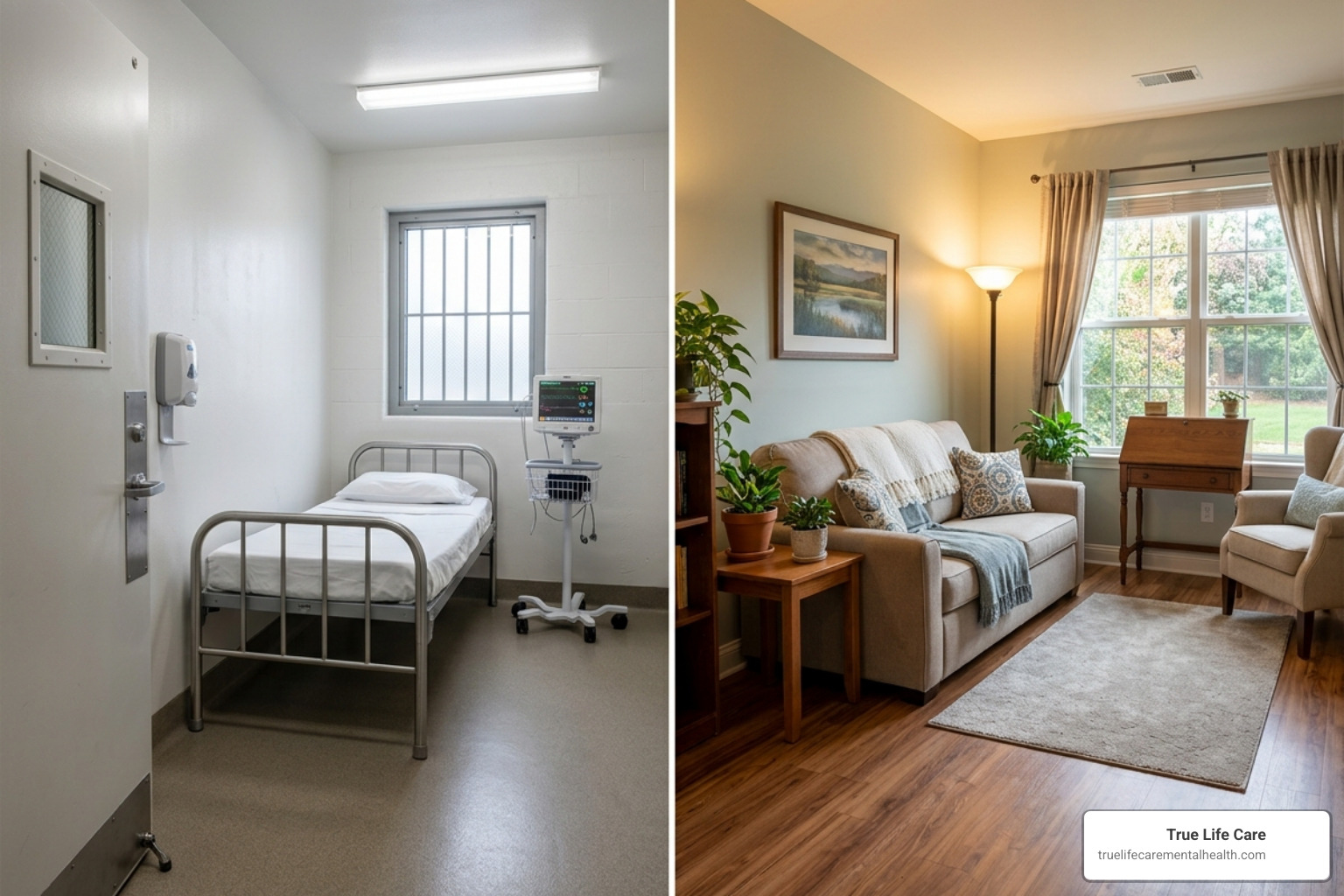
A hospital-based program is typically for short-term “crisis” care. It looks and feels like a hospital, with a focus on immediate safety and medical stabilization. These units are often locked and have a very clinical atmosphere. A residential treatment center (RTC) is a live-in facility that feels more like a home or a retreat. RTCs focus on long-term healing, providing more amenities, outdoor spaces, and a wider variety of holistic therapies in a less clinical environment. RTCs are generally better suited for those who are medically stable but require intensive therapeutic work to address the root causes of their depression and anxiety.
What should I bring to an inpatient facility?
Most facilities recommend bringing comfortable clothing for 7-10 days, personal hygiene items (alcohol-free), and a few comfort items like photos or a favorite book. Prohibited items usually include anything with strings (like hoodies), sharp objects, and electronics with cameras. We provide a detailed packing list during the admissions process to ensure you have everything you need for a comfortable stay.
Conclusion
Finding the right inpatient facility for depression and anxiety is the first step toward a life that feels worth living again. It is a commitment to yourself and your future. At True Life Care Mental Health, we specialize in helping adults navigate these difficult chapters with dignity, compassion, and expert clinical care. Whether you are in Matawan, NJ, or anywhere across Monmouth County and the surrounding New Jersey areas, our holistic approach is designed to empower you for long-term well-being. We focus on the whole person, ensuring that when you leave our care, you have the tools, the support, and the confidence to maintain your recovery in the face of life’s challenges.
Recovery is a journey, not a destination. It requires patience, persistence, and the right environment to flourish. If you’re ready to start yours, we are here to walk with you every step of the way, providing the clinical expertise and emotional support necessary for a true transformation. You don’t have to do this alone. More info about inpatient treatment services.